
A client once slid her phone across my desk to show me a $90 "anti-inflammatory" supplement she had been talked into buying. I asked what she ate for lunch most days. The answer was a gas-station sandwich and a soda. We did not need the supplement. We needed lunch.
That conversation comes up constantly in my work. People want a single pill or powder to calm inflammation, when the most reliable lever is sitting in the produce aisle for a fraction of the price. Inflammation itself is not the enemy, by the way. It is your body's repair crew, and you want it. The problem is the low-grade, never-quite-switching-off kind that research has linked to a range of long-term conditions.
So here are 10 foods I actually recommend, the ones with reasonable evidence behind them and, just as important, the ones you will keep eating. No exotic berries flown in from a mountaintop. Mostly things you can grab on a normal grocery run.
1. Fatty fish (salmon, sardines, mackerel)
This is the one I push hardest. Oily fish delivers omega-3 fats that your body uses to make compounds that help resolve inflammation rather than fan it. Most people simply do not eat enough of it.
Aim for two servings a week, roughly the size of your palm each. If fresh salmon feels expensive, tinned sardines and mackerel are cheap, shelf-stable, and genuinely good on toast. I keep a few cans in my desk drawer for the days lunch falls apart.
2. Leafy greens
Spinach, kale, chard, and their relatives are loaded with antioxidants and vitamin K, both tied to lower markers of inflammation. They are also forgiving. You can wilt a handful into almost anything, eggs, pasta, soup, without anyone noticing.
My honest tip: buy them already washed if pre-washed greens are the difference between eating them and watching them rot. A slightly pricier bag you actually finish beats a virtuous bunch you throw out.
3. Berries
Blueberries, strawberries, raspberries, blackberries. The pigments that make berries so deeply colored are the same compounds, anthocyanins, associated with their anti-inflammatory effect. Frozen berries count, and they are often cheaper and just as nutritious as fresh.
A handful in oatmeal or yogurt is an easy swap if your usual breakfast is something beige and sugary.
4. Extra virgin olive oil
Olive oil is a cornerstone of the eating pattern I recommend most often, the one explored in our piece on the Mediterranean way of eating. It contains a compound called oleocanthal that acts, in a mild way, a little like an anti-inflammatory.
Use it where you would use butter or a neutral oil: roasting vegetables, dressing a salad, finishing a soup. "Extra virgin" matters here, because the less processed oil keeps more of the good stuff.
5. Nuts
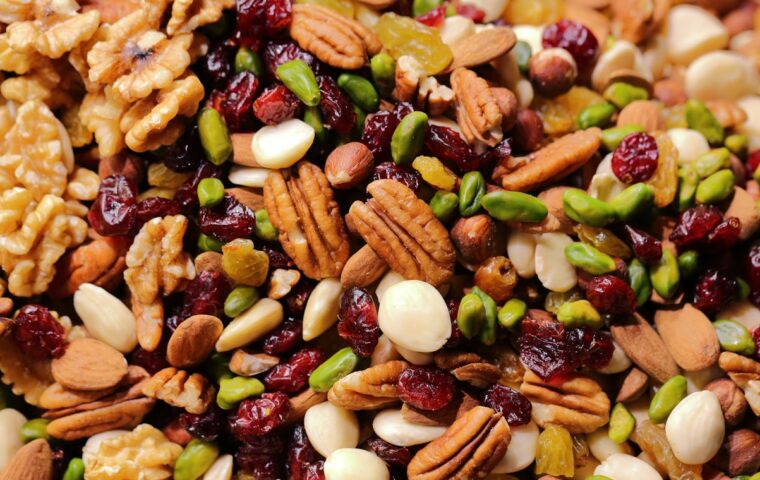
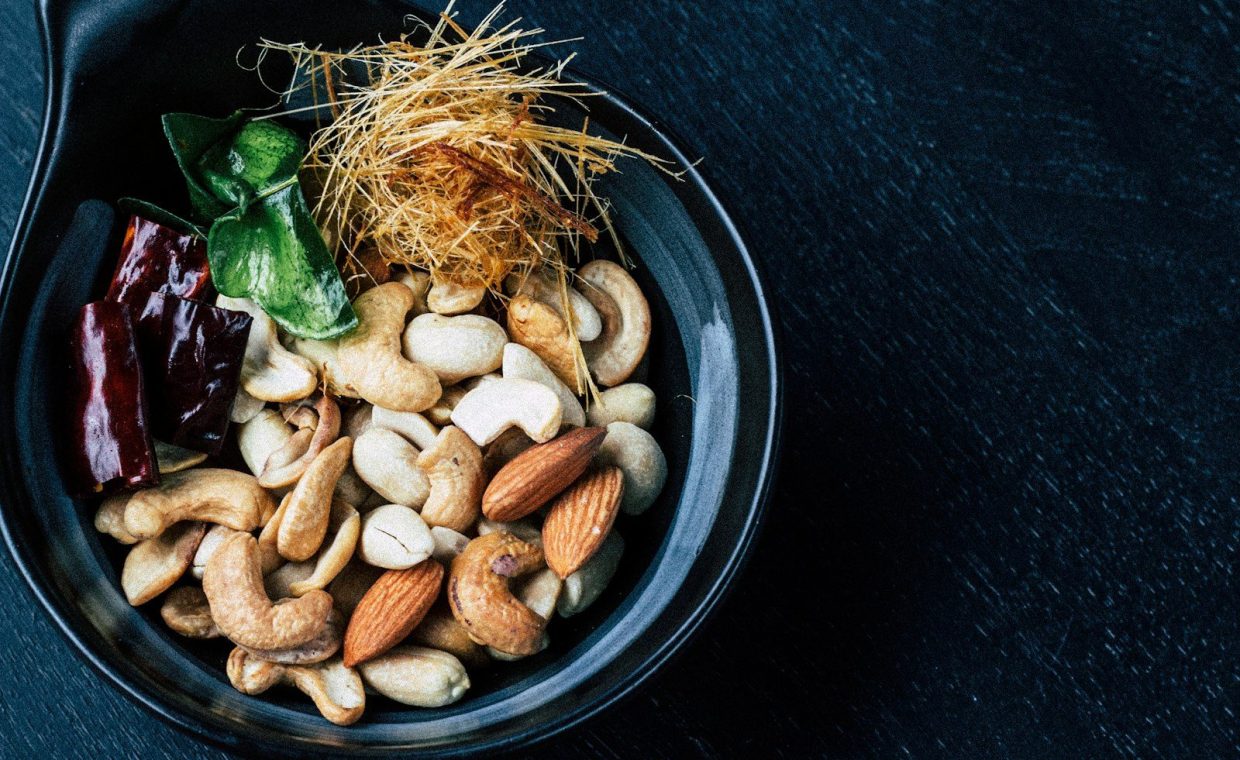
Walnuts, almonds, and pistachios bring healthy fats, fiber, and vitamin E to the table. People who eat nuts regularly tend to show lower inflammatory markers, though nuts are calorie-dense, so portion awareness helps.
A serving of nuts is roughly what fits in your cupped palm, about a small handful. If eyeballing portions stresses you out, our hand-based portion guide walks through it without a single measuring cup.
6. Tomatoes
Tomatoes are rich in lycopene, a compound linked to reduced inflammation. Here is the part people find surprising: cooking tomatoes and pairing them with a little fat actually makes the lycopene easier for your body to absorb.
So a simple tomato sauce simmered in olive oil is not a compromise. It is arguably better than a raw tomato for this particular benefit.
7. Turmeric (with a catch)
Turmeric gets a lot of hype, and curcumin, its active compound, does show anti-inflammatory activity in studies. The catch is that your body absorbs it poorly on its own. Pairing it with black pepper and a bit of fat improves things considerably.
I treat turmeric as a nice addition to a curry or roasted vegetables, not a magic ingredient. A sprinkle in your food is lovely. A megadose in capsule form is a conversation to have with your doctor first.
8. Whole grains
Oats, brown rice, quinoa, and barley keep their fiber-rich outer layers, and that fiber feeds the gut bacteria tied to a calmer inflammatory response. Refined grains, the white-flour versions, lose most of that.
You do not have to go all-in. Swapping half your usual rice or pasta for a whole-grain version is a perfectly reasonable place to start.
9. Beans and lentils
Legumes are the quiet overachievers of this list: fiber, plant protein, and antioxidants, all for pennies a serving. They support steady blood sugar, which matters because sharp sugar spikes can nudge inflammation upward.
Canned beans, rinsed, are a completely legitimate shortcut. I rinse mine to cut some of the sodium and toss them into salads, soups, and grain bowls.
10. Green tea
Green tea contains catechins, plant compounds with antioxidant and anti-inflammatory properties. It is a gentle, low-effort addition, especially if you are swapping it in for a third or fourth sugary coffee drink.
I am not promising tea will transform your health. But trading one sweetened drink a day for unsweetened green tea is the kind of small, repeatable change that actually adds up.
Putting it together without overthinking it
You do not need all 10 of these every day, and you certainly do not need to cook elaborate meals. The pattern matters more than any single food. A plate with some greens, a whole grain, beans or fish, and a drizzle of olive oil is already doing most of the work.
The flip side is worth a mention too. These foods help most when they are crowding out the things that push inflammation the other way: heavily processed snacks, sugary drinks, and large amounts of refined carbs. Eating out is where this quietly unravels for a lot of people, which is exactly why I wrote up the most common restaurant ordering mistakes and how to fix them.
Food is one piece of a much bigger picture that includes sleep, movement, stress, and your overall medical care, including staying current on routine protection like the vaccines that prevent illness in the first place. This article is general information, not medical advice. If you are managing a diagnosed inflammatory condition or taking medication, talk with your doctor or a registered dietitian before making big changes.
An easy first week
If the list feels like a lot, pick three changes and stop there. Maybe one tin of sardines for lunch, frozen berries in your breakfast, and swapping butter for olive oil when you cook. Small and boring is what sticks.
Next week, add a couple more. Over a month, this quietly becomes how you eat, no overhaul required and no $90 supplement involved.
How fast will I notice a difference from anti-inflammatory foods?
There is no quick switch. These foods support your body over weeks and months, not days. The realistic goal is a steady eating pattern, not a dramatic before-and-after. If you are tracking a specific health marker, your doctor can tell you what timeline is reasonable for you.
Do I need supplements if I eat these foods?
For most people who eat a varied diet, no. Whole foods deliver fiber and a mix of compounds that single-nutrient pills cannot replicate. Some people do have specific needs, so check with a healthcare professional rather than guessing.
Are there foods I should cut to lower inflammation?
Generally, easing back on sugary drinks, heavily processed snacks, and large amounts of refined carbohydrates helps more than chasing any single superfood. Think of it as crowding the helpful foods in rather than banning things outright.
None of this has to be perfect. I have built my whole approach around food you will actually eat, because the fanciest plan in the world does nothing if it lives in a cookbook you never open. Start with one or two of these, be kind to yourself about the rest, and let the habit grow from there.