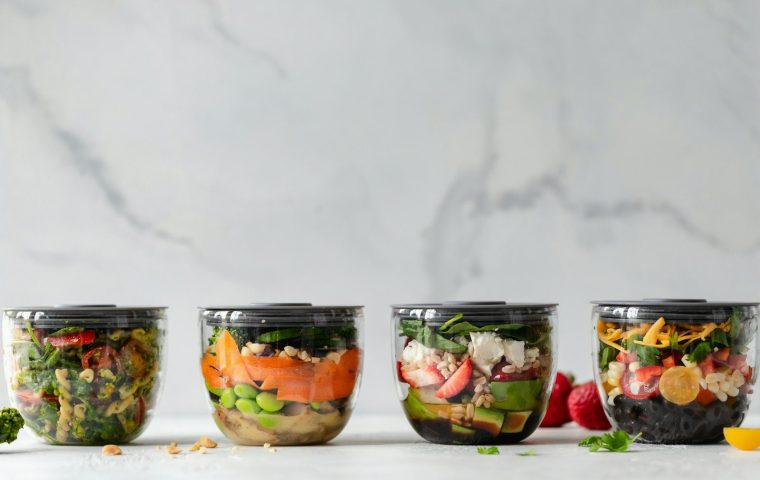

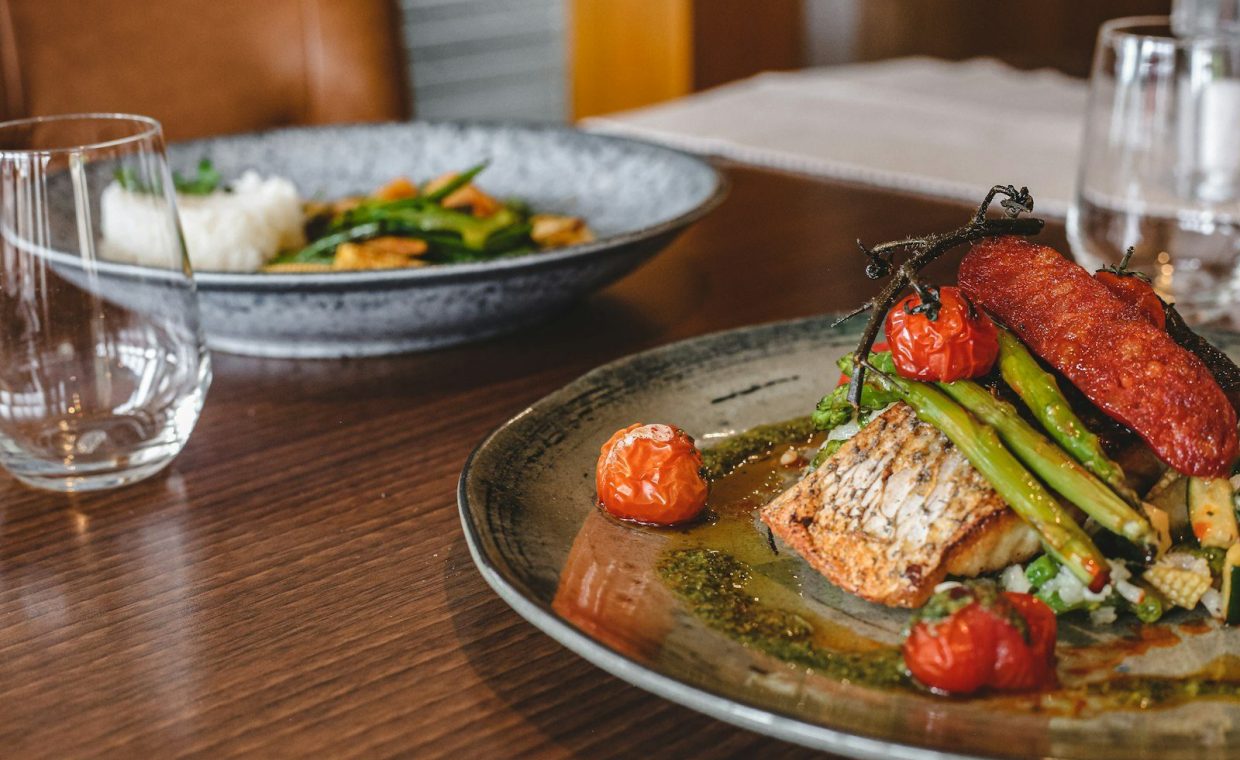
A patient once told me she ate "pretty well" all week, then sat across from me puzzled about why her energy and her bloodwork had not budged. We did the math together. She ate out, or ordered in, eleven times in seven days. That is not a moral failing. It is modern life, and it is the single biggest blind spot I see in otherwise careful eaters.
Here is the part I want you to hear first: eating out is not the problem. Restaurants are built to maximize how much you enjoy a meal in the moment, a different goal than helping you feel good the next morning. Portions, salt, oil, and free refills are features, not accidents.
So instead of telling you to stay home, let me walk through the seven mistakes I see most often, why each costs you, and the fix I give people in my office. None of these require willpower of steel or a sad side salad.
1. Treating the bread basket as free
You sit down hungry, the warm bread arrives, and three pieces vanish before you have read the menu. By the time your real meal lands, you have eaten a small meal's worth of refined carbohydrate on autopilot.
Why it costs you: those pre-meal calories rarely register as "food" in your memory, so you eat your entrée as if the bread never happened. It is the easiest few hundred calories to lose track of all evening.
Eat a little protein before you leave the house. A handful of nuts or a yogurt takes the edge off so you arrive curious instead of ravenous. If the bread is genuinely great, have a piece on purpose and enjoy it. The goal is a decision, not a reflex.
2. Drinking a meal's worth of calories
The soda, the second cocktail, the large juice, the fancy coffee with whipped cream. Liquid calories slide in without triggering much fullness, which is why they are so easy to overdo.
Why it costs you: a couple of sweetened drinks or cocktails can quietly add the equivalent of an extra small plate, and alcohol also tends to loosen our resolve about everything else on the table.
The fix is not a vow of sobriety. Order water alongside whatever you are drinking and sip it first. If you want the cocktail, have one, slowly, and let water carry the rest of the meal. Staying hydrated also helps you read your hunger more accurately.
3. Reading the menu the way the menu wants you to
Menus are designed. The dishes with the biggest margins often get the most enticing language, and "crispy," "loaded," and "smothered" are usually code for deep-fried, cheese-heavy, or swimming in butter.
Why it costs you: if you let the adjectives choose for you, you end up ordering the kitchen's most profitable plate rather than the one your body actually wanted.
Scan for the cooking verbs first. Grilled, roasted, steamed, baked, and seared usually mean lighter preparation. Then build the plate in your head before the server arrives. This is the same label-literacy I lean on day to day, where knowing your own targets, like your actual daily protein needs, makes ordering far less guesswork.
4. Assuming "healthy-sounding" means healthy
The salad can easily out-calorie the burger. Candied nuts, fried toppings, cheese, bacon, and a generous pour of creamy dressing turn a virtuous-sounding bowl into one of the heaviest items on the table.
Why it costs you: you order it feeling responsible, give yourself zero scrutiny, and the hidden additions sail past you.
The fix is to look past the headline noun and read the toppings line. Ask for dressing on the side and dip your fork into it rather than drowning the greens. A salad can be a great choice. It just is not automatically one, and the same trap shows up with smoothies and granola bowls.
5. Eating the whole plate because it is in front of you
Restaurant portions have crept up to roughly two or three sensible servings on a single plate. Most of us were raised to clear what we are served, so we keep eating well past comfortable.
Why it costs you: your stomach takes time to signal fullness, and a large plate steamrolls that signal. You finish not because you are hungry but because there is food left.
Decide your portion when the plate arrives, not when it is empty. I often ask for a to-go box at the start and set aside half before I begin. What looks like restraint is really just tomorrow's lunch, already paid for.
6. Letting one indulgent meal trigger an all-or-nothing spiral
This mistake does the most quiet damage, and it lives in your head rather than on the plate. You have a big dinner, decide the day is "ruined," and eat with abandon until bedtime, then carry the guilt into a punishing week.
Why it costs you: one rich meal is no big deal across a whole month. The pile-on afterward, plus the shame and restriction that follow, is what moves the needle the wrong way, and I have watched it undo months of steady progress.
The fix is a mindset shift. One meal is one meal. You return to your normal way of eating at the very next meal, with no penance required. If this restrict-then-rebound cycle sounds familiar, the story of how one reader rebuilt her diet after years of yo-yo dieting shows how much calmer, and more effective, the non-judgmental approach turns out to be.
7. Going in with no plan at all
The most common mistake is walking in hungry, tired, and undecided, then ordering on impulse while everyone else debates the appetizers.
Why it costs you: decisions made while depleted skew toward the saltiest, richest, fastest option every time. That is biology, not a character flaw.
The fix takes about ninety seconds. Glance at the menu online beforehand and half-decide. Picture your plate: a protein you like, something green, and a carbohydrate you enjoy. Then leave room for spontaneity. A loose plan beats a rigid one, because the rigid one is what you abandon the moment the table orders fries.
Notice the through-line. Almost every fix is about making a deliberate choice slightly earlier, before hunger, marketing, or momentum makes it for you. Small habits like these compound, the same reason avoiding the quiet missteps in everyday prevention protects your long-term health more than any single dramatic overhaul.
A note on doing this without losing the joy
I want to be clear, because health writing too often slides into joyless lecturing. The point of eating out is connection and pleasure, and you keep all of it. You are only removing what costs you nothing to lose: the autopilot bread, the forgotten third drink, the cleared plate you did not taste.
Pick two of these fixes to start, not all seven. Maybe water first and a plan before you arrive. Once those feel automatic, add another. That is how change sticks, far better than a sweeping resolution you white-knuckle for a week.
This is general guidance, not personal medical advice. If you have a condition like diabetes, high blood pressure, or a history of disordered eating, or if you are on medication that interacts with food or alcohol, talk with a qualified healthcare professional about what fits your situation specifically.
Is it really okay to eat out often if I am trying to eat better?
Yes. Frequency matters less than what you do at the table. A few small habits, like deciding your portion early and watching liquid calories, let you eat out regularly without it working against you.
What is the single easiest fix to start with?
Drink a glass of water before and during the meal, and look at the menu before you arrive. Those two cost almost no effort and quietly prevent several of the other mistakes at once.
Should I just avoid restaurant salads since they can be high in calories?
No, salads can be a genuinely good choice. Just read the toppings, ask for dressing on the side, and judge the bowl by what is actually in it rather than the word "salad" on the menu.
None of this is about eating perfectly, because perfect eating is a myth that mostly produces guilt. It is about noticing a few predictable traps and stepping around them so the meal still feels like a treat. Try one fix this week. Your next dinner out is a chance to practice, not a test to pass.