

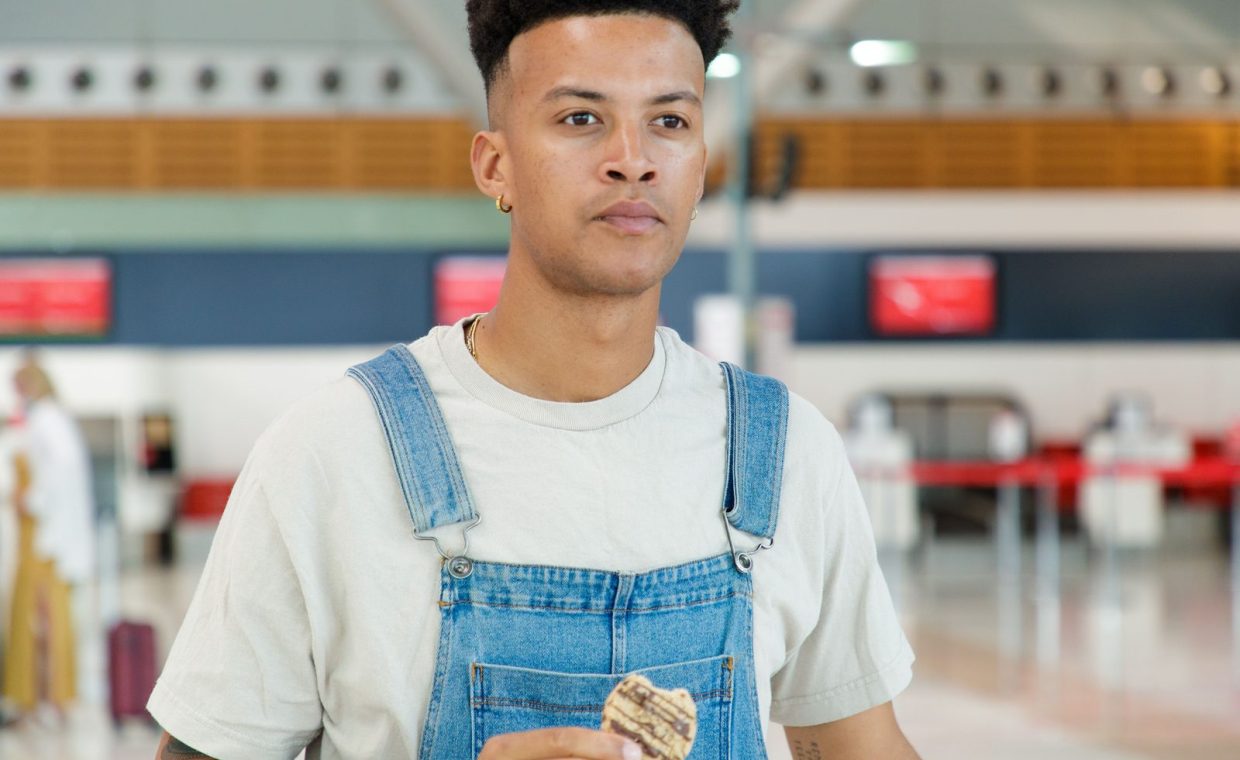
Last spring I flew across six time zones for a conference, ate three airport sandwiches in one day, and arrived feeling like a wrung-out dishcloth. I am a dietitian, and I still got it wrong. That trip is why I started building a simple system for staying healthy on the road, because willpower at 35,000 feet is not a real plan.
Here is the reassuring part. You do not need a special travel diet, a suitcase of supplements, or the discipline of a monk. You need a handful of small habits that survive a delayed flight and a hotel minibar. The goal is not a perfect trip. It is arriving home feeling roughly like yourself.
What follows is a step-by-step plan for your next trip. Work through it in order, and skip what does not apply to you.
Pack a small kit before you think about anything else
Most travel slip-ups happen because the healthy option is not available when you need it. The fix is to bring it with you. I keep a reusable water bottle, unsalted nuts, whole-grain crackers, and a piece of fruit in my carry-on every time.
That stash means I am never stuck choosing between a vending machine and nothing. It also keeps blood sugar steady, which matters more than people realize when you are tired and surrounded by tempting smells in a terminal.
An empty water bottle to fill after security, two protein-leaning snacks (nuts, jerky, roasted chickpeas), one fiber snack (whole-grain crackers or dried fruit), and any regular medication in your carry-on, never the checked bag.
Why the snacks earn their space
When you arrive hungry, you make rushed decisions. A snack an hour before landing takes the edge off, so your first meal in a new place is a real choice rather than a desperate grab.
Win the hydration battle early
Cabin air is dry, and it is easy to confuse thirst with fatigue or hunger. I fill my bottle right after security, finish it before boarding, then top up on the plane. Roughly a cup of water for every hour in the air is a sensible target for most healthy adults.
Caffeine and alcohol both pull water out of you, so I treat the free drink cart with caution. If I have a coffee or a glass of wine, I follow it with water. It is not about saying no, just balancing it out.
One reminder from someone who reads labels for a living: electrolyte sachets can help on long or hot trips, but check the sugar content. Some are basically candy in disguise.
Build a plate, not a buffet
Eating well while traveling is less about restriction and more about structure. At any meal, I anchor the plate with a protein, add some vegetables or fruit, and let the fun stuff fill the rest. Protein and fiber keep you full, which makes the pastries less urgent.
When the local food is the point of the trip, eat it. I had gelato every day in Italy and have zero regrets. The trick is balance across the day, not perfection at every meal. A lighter breakfast leaves room for a big regional lunch.
A few indulgent meals will not undo your health, and a few salads will not redeem a rough week. Aim for "mostly reasonable" and let yourself enjoy where you are.
The hotel breakfast trap
Free breakfast buffets are designed to feel like value, which nudges us to pile the plate high. I start with eggs or yogurt and fruit, then decide if I still want the pastry. Usually I want half, and half is fine.
Keep your body moving
Travel days are sitting days. Long flights, car rides, and meetings add up to a lot of stillness, which leaves many people stiff and sluggish. You do not need a gym. You need to interrupt the sitting.
I walk the terminal during layovers instead of parking at the gate. I take the stairs at the hotel and stretch for ten minutes before bed. None of this is impressive, and all of it works. Walking to explore a new neighborhood doubles as sightseeing and movement, the kind of two-for-one I love.
These small bursts feed your everyday wellbeing in ways that compound. If you want to see how little routines stack up, my colleague's piece on the daily habits that quietly build resilience is worth a read before your next trip.
Protect your sleep across time zones
Jet lag is where a lot of trips quietly fall apart. Poor sleep makes you reach for sugar and caffeine, skip movement, and feel low. Sleep is not a luxury here, it is the lever that holds the rest of the plan together.
A few things genuinely help. Get morning daylight at your destination to nudge your body clock, keep the room cool and dark, and avoid heavy meals right before bed. If you are flying east, which tends to be harder, try shifting your bedtime earlier by 30-60 minutes for a day or two before you go.
Understanding your own rhythm makes this easier. If you have never thought about whether you run on an early or late clock, our comparison of early bird versus night owl routines can help you plan flights and meetings around your real energy patterns.
Reaching for a strong sleeping pill or several drinks to knock yourself out on a flight often backfires, leaving you groggy and dehydrated. If you are considering melatonin or any medication for jet lag, ask a pharmacist or doctor about timing and dose first.
Manage stress and stay clean
Stress is its own health issue on the road. Missed connections, language barriers, and packed itineraries raise stress hormones, which affects digestion, sleep, and mood. Build in buffer time, drop the expectation of a flawless schedule, and give yourself permission to rest.
Basic hygiene matters too, especially in crowded airports and on planes. Wash your hands before eating, keep sanitizer handy, and try not to touch your face. It is unglamorous advice that keeps you out of bed on day three.
If your stress-relief habits tend to make things worse, there are simple swaps that help. The rundown on common wellness routine mistakes and how to fix them covers the traps that catch even seasoned travelers.
Plan a gentle re-entry
The trip is not over when you land. How you handle the first 48 hours home shapes how quickly you feel normal. I avoid scheduling anything demanding the first day back, drink plenty of water, eat simple vegetable-heavy meals, and get to bed at my usual time even if I am wrecked. A short walk, an early night, and one home-cooked meal do more for me than any so-called reset product on the shelf.
Pack snacks and a water bottle. Drink steadily and balance caffeine and alcohol with water. Build plates around protein and produce, then enjoy the local food. Move in small bursts. Protect sleep with daylight and a cool room. Manage stress with buffer time and wash your hands. Ease back in gently when you get home.
How do I avoid getting sick on long flights?
Stay hydrated, wash your hands before eating, avoid touching your face, and get good sleep in the days before you fly so you are not run-down. These basics lower your odds more than any single product. If you have a medical condition, check with your doctor before travel.
Is it really worth packing my own snacks?
Yes, for most people it is the highest-value habit on this list. Having a protein or fiber snack on hand keeps your blood sugar steady and stops the hungry, rushed decisions that lead to regret at the gate.
What is the single best thing I can do for jet lag?
Get bright daylight at your destination at the right time of day, ideally in the morning, to help reset your body clock. Pair that with steady hydration and a cool, dark room at night. Effects vary from person to person, so adjust to what your body tells you.
None of this asks you to choose between your health and a good trip. A few small, repeatable habits do most of the work, and they leave room for gelato, late dinners, and the occasional lazy morning. This is general guidance rather than personal medical advice, so if you have specific health concerns, have a quick word with a qualified healthcare professional before you go. Safe travels, and enjoy yourself out there.