
It is 3:47 on a Tuesday. You ate lunch three hours ago, the meeting still has 20 minutes left, and your stomach is making executive decisions your brain did not approve. The vending machine down the hall glows like a small beige lighthouse.
I see this pattern constantly in clinic. Smart, busy people who eat a fine breakfast and lunch, then get ambushed by mid-afternoon hunger and reach for whatever is fastest. The crash that follows is not a willpower problem. It is a snack-design problem.
A snack that keeps you full is not a mystery or a luxury item from a wellness store. It is mostly a matter of what the snack is made of, and a little bit of what you keep within arm's reach. Let me walk you through what actually works at a desk.
Why most work snacks fail you by 4pm
The typical desk snack is built almost entirely from refined carbohydrates. Think crackers, granola bars, pretzels, the cookies someone left in the break room. They digest fast, spike your blood sugar, and leave nothing behind to keep you satisfied.
Fullness, or satiety if we want the clinical word, comes mostly from three things: protein, fiber, and fat. These slow digestion, blunt the blood sugar swing, and send signals to your brain that the meal counted. A snack missing all three is basically a sugar delivery system with a crunchy disguise.
Aim for at least two of these three in every snack: protein, fiber, and healthy fat. One alone rarely holds you. Two together usually do. All three is the gold standard.
Build your snack around protein first
If you fix one thing, fix protein. It is the most filling of the three nutrients per calorie, and most people snacking at work get almost none of it in the afternoon.
A hard-boiled egg, a single-serve Greek yogurt, a small tin of tuna, or a stick of string cheese each delivers roughly 6 to 15 grams of protein and takes zero prep once you have stocked them. That is often enough to move you from ravenous to comfortable.
How much you need across the day is a bigger conversation, and I have written more about daily protein needs explained if you want to understand the full picture. For snacking purposes, the simple target is this: do not let a snack be pure carbs. Anchor it with a protein source and everything else gets easier.
Ten desk snacks that actually hold
These are the ones I recommend because they travel well, survive a warm office, and hit at least two members of the satiety trio.
- Greek yogurt with a handful of berries. Protein plus fiber, and the berries add sweetness without a sugar bomb.
- Apple slices with a tablespoon of peanut butter. Fiber and fat together, genuinely filling.
- A hard-boiled egg and a few cherry tomatoes. Cheap, portable, complete.
- Roasted chickpeas. Crunchy like chips, but with fiber and protein doing real work.
- Cottage cheese with cucumber or pineapple. Surprisingly high protein, mild flavor.
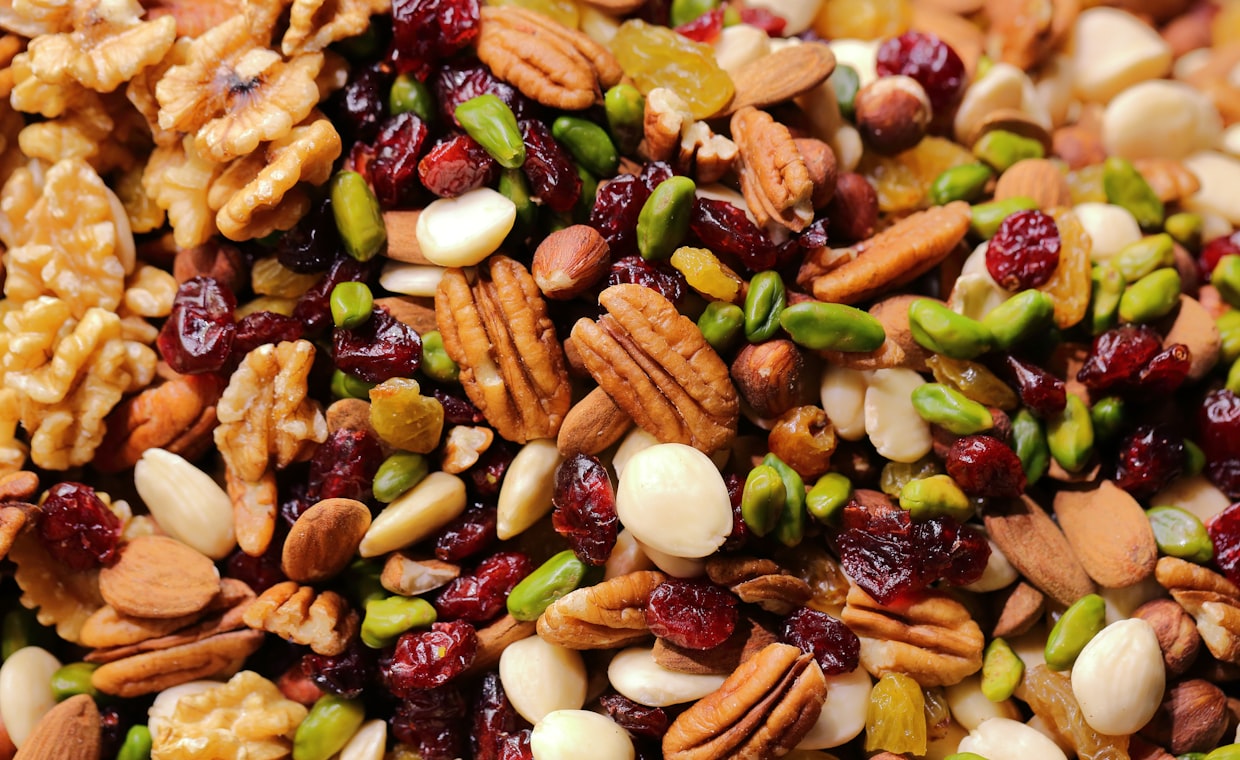
- A small handful of almonds or walnuts. Fat and fiber; stop at a small handful because the calories add up fast.
- Edamame, the frozen microwave kind. Protein and fiber, ready in two minutes.
- Whole-grain crackers with cheese or hummus. Pair the carb with protein or fat so it holds.
- A tin of tuna or salmon on cucumber rounds. Protein-dense and no fridge required for the tin.
- Cheese stick plus a small pear. The classic, and it works.
How the popular options really compare
Not all snacks marketed as healthy earn the label. Here is how common choices stack up on the thing that matters for staying full.
| Snack | Protein | Fiber | Keeps you full? |
|---|---|---|---|
| Granola bar (typical) | Low | Low | Rarely, mostly sugar |
| Greek yogurt + berries | High | Medium | Yes |
| Pretzels | Low | Low | No |
| Apple + peanut butter | Medium | High | Yes |
| Roasted chickpeas | Medium | High | Yes |
| Fruit alone | Low | Medium | Briefly |
| Cheese stick + pear | Medium | Medium | Yes |
Notice the pattern. The snacks that hold you all pair a protein or fat with some fiber. The ones that fade are carbohydrate on its own, no matter how wholesome the packaging looks.
The sugar trap hiding in "healthy" snacks
Here is where marketing gets slippery. Many snacks aimed at health-conscious buyers are loaded with added sugar: fruit-on-the-bottom yogurts, most granola bars, dried fruit clusters, flavored oatmeal cups. They read as virtuous and behave like candy.
I am not asking you to fear sugar. I am asking you to notice it, because a snack that is 18 grams of sugar will not keep you full and will likely leave you hungrier an hour later. If cutting back feels overwhelming, my piece on how to reduce added sugar realistically lays out small swaps that stick without turning eating into a spreadsheet.
When the snack becomes a small meal
Sometimes the honest answer is that you are not snacking, you are under-eating at meals and your body is asking for real food. If you are genuinely hungry every afternoon, look at lunch first. A lunch that is mostly white rice, bread, or noodles with little protein sets up the 3pm crash almost every time.
This overlaps a lot with how people order food. The same instincts that leave a restaurant meal unbalanced show up in the snack drawer, and my notes on common eating out mistakes and fixes apply neatly to office eating too. Build the meal around protein and vegetables, and the snack becomes a bridge instead of a rescue.
Making it automatic
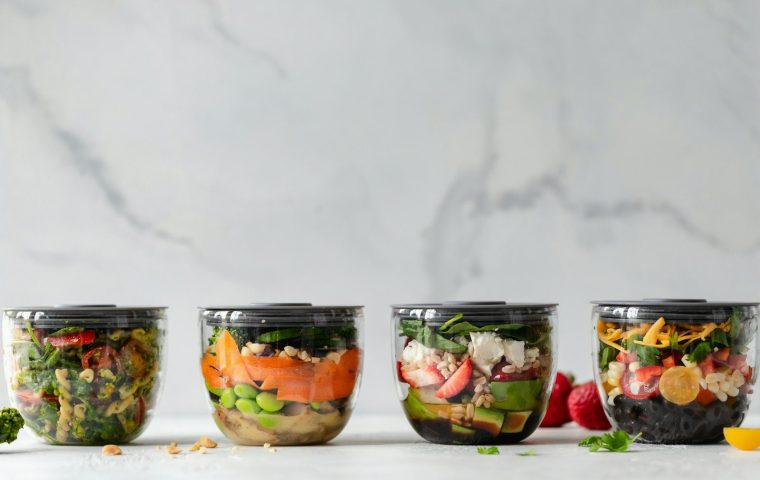
The best snack strategy is the one you do not have to think about at 3:47. Spend ten minutes on a Sunday portioning nuts into small bags, boiling a few eggs, and tossing a couple of yogurts and cheese sticks in the office fridge. Future-you, mid-meeting and starving, will be grateful.
Hunger is not a character flaw and snacking is not cheating. Feeding yourself well between meals is how you protect your focus, your mood, and your next decision. The goal is simply to make the easy choice also the filling one.
Is it bad to snack between meals?
No. Snacking is neither good nor bad on its own. A well-built snack can steady your energy and stop you from overeating later. The quality of the snack matters far more than whether you snack at all.
How many calories should a work snack be?
There is no single number, but roughly 150 to 250 calories works for most people between meals. Focus less on the calorie count and more on including protein and fiber, which is what actually determines how full you feel.
What if I have a health condition like diabetes?
The general principles here still apply, but your targets may differ. This is educational information, not personalized advice, so talk with your doctor or a registered dietitian about snacks and timing that fit your specific situation.
Start small. Pick two snacks from the list above, stock them this week, and see how the afternoon feels. You do not need a perfect system, just a couple of filling options within reach before the hunger arrives. Your 3:47 self is counting on it.