
It is 9:40 at night. The dishes are done, the kids are asleep, and somewhere between the couch and the pantry your feet make a decision your brain has not officially approved. Two minutes later you are standing in the kitchen light with a sleeve of cookies, wondering how you got there.
I hear some version of this story almost every week. And the first thing I tell people is that this is not a willpower problem. A craving is a specific, targeted pull toward a particular food, and it runs on real biology and real psychology, not weakness.
Once you understand what is actually firing off that 9:40 pantry march, it stops feeling like a personal failing and starts looking like a signal you can read. That shift changes everything about how you respond.
Cravings and hunger are not the same thing
Hunger builds slowly and is fairly patient. Your stomach rumbles, your energy dips, and almost any food will do the job. An apple, a bowl of soup, leftovers. Hunger is flexible.
A craving is different. It shows up fast, it is loud, and it wants one thing. You do not crave "food," you crave the caramel latte or the salty chips. That specificity is a clue that something other than an empty stomach is talking.
Ask yourself: would an apple satisfy this right now? If yes, you are probably hungry. If the only acceptable answer is the exact thing you are picturing, you are likely dealing with a craving.
What is actually driving the pull
Cravings rarely have a single cause. Usually a few threads twist together at the same moment, which is why they can feel so hard to argue with.
Your brain's reward wiring
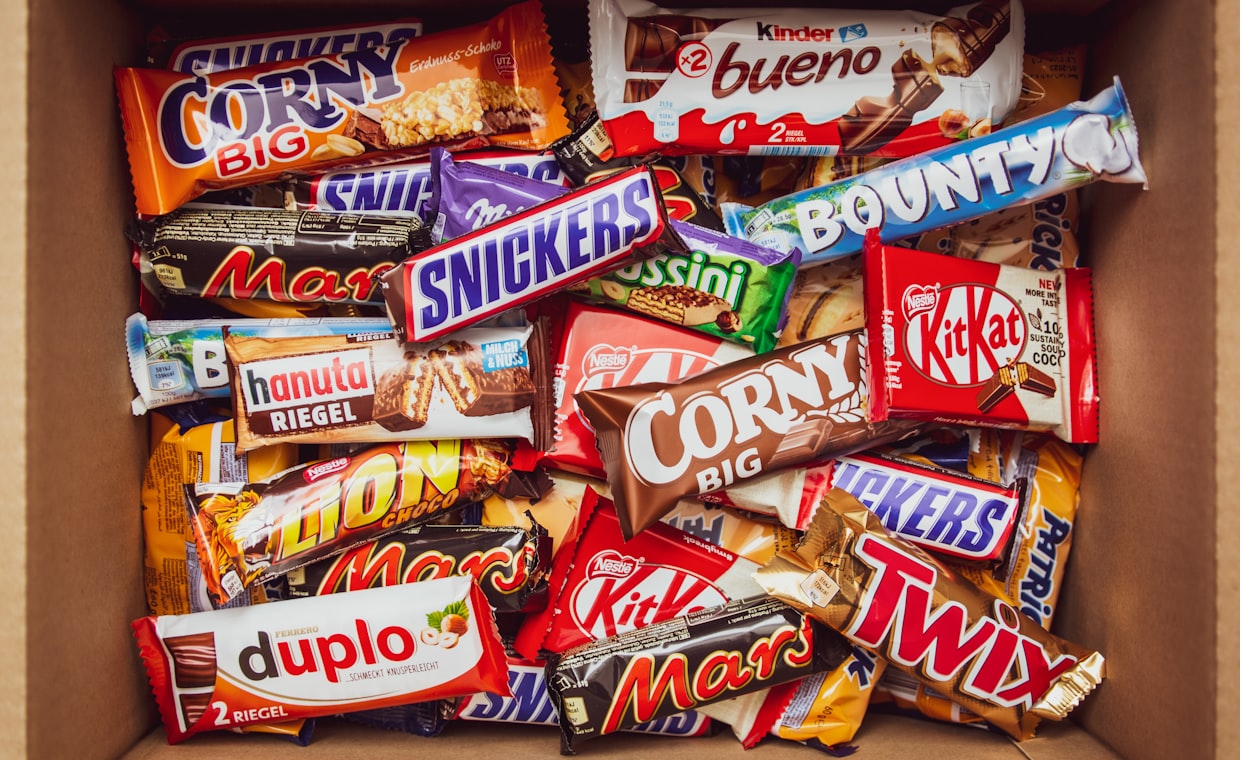
Highly palatable foods, meaning the ones engineered to be sweet, salty, fatty, and crunchy all at once, trigger a dopamine response tied to reward and anticipation. Your brain learns the pattern quickly and starts predicting the payoff before you even reach the shelf.
This is normal human neurology, not addiction in the clinical sense for most people. It just means the wanting can feel stronger than the actual enjoyment once you are three cookies in.
Blood sugar swings
When you eat a large hit of refined carbohydrate with little protein or fat, blood sugar rises fast and then falls. That dip can leave you shaky, foggy, and reaching for another quick fix. It is a loop, and the loop feeds itself.
Sleep, stress, and hormones
Short sleep nudges appetite hormones in the wrong direction, raising ghrelin (which says eat) and lowering leptin (which says enough). One rough night can measurably increase how much you want sweets the next day.
Stress adds cortisol to the mix, which pushes many of us toward calorie-dense comfort food. And for some people, hormonal shifts across the menstrual cycle reliably crank up cravings for a few days. None of this is imaginary.
The habit loop hiding in plain sight
A lot of cravings are learned associations more than physical needs. Your brain links a cue to a reward until the two travel together automatically.
Sitting on the couch becomes the cue for chocolate. Opening your laptop becomes the cue for a snack. The 3 p.m. slump becomes the cue for the vending machine. The food is almost secondary to the trigger that summons it.
For one week, jot down what happened right before a craving hit. Time, mood, place, what you were doing. Most people spot two or three repeating patterns within a few days, and naming the cue takes away a surprising amount of its power.
How to respond without white-knuckling it
Fighting a craving head-on with pure discipline tends to backfire. Restriction raises the volume. A calmer, more strategic approach works better and feels a lot less exhausting.
| Craving pattern | Likely driver | A practical response |
|---|---|---|
| Afternoon sugar crash | Blood sugar swing, skipped protein | Add protein and fiber to lunch; keep a real snack on hand |
| Late-night snacking | Habit cue, tiredness, under-eating earlier | Eat enough at dinner; change the couch routine |
| Stress eating | Cortisol, emotional relief | Pause 10 minutes; try a walk or a call first |
| Constant sweet tooth | Reward wiring, high added-sugar intake | Dial sugar down gradually, not all at once |
Notice the theme. You are not trying to defeat the craving with force. You are removing the conditions that manufacture it in the first place.
Eat enough, and eat balanced
Meals built around protein, fiber, and some fat keep blood sugar steadier and hunger quieter for longer. Chronic under-eating during the day is one of the most common reasons for evening binges, and it is fixable.
If sugar is a frequent theme for you, the goal is not zero. It is a slow, sustainable step down. I walk through that pacing in this guide on how to reduce added sugar realistically, because going cold turkey almost always rebounds.
Interrupt the loop
When a craving hits, try a ten-minute delay before you decide. Drink some water, change rooms, do one small task. Often the urge softens on its own, and if it does not, you can eat the thing on purpose instead of on autopilot.
Know your own labels
Some cravings are fed by products designed to be hard to stop eating. Learning to skim a package and see the actual sugar, protein, and fiber helps you choose with your eyes open. Our reading nutrition labels guide covers what to look at first so the label works for you instead of the marketing.
If cravings feel truly compulsive, come with loss of control, secrecy, or distress, or if you are severely restricting between episodes, that goes beyond ordinary cravings. Please talk with a doctor or a registered dietitian. This article is educational and is not a substitute for personal medical advice.
Do specific cravings mean you are missing a nutrient?
This is one of the most popular myths I get asked about, usually the classic "I crave chocolate so I must need magnesium." The evidence for craving-as-deficiency is thin for most everyday cravings.
If a true nutrient shortfall drove cravings, you would expect people to crave the actual food source, and they rarely crave spinach or lentils. What we crave tends to track with reward, habit, and availability far more than with any missing mineral.
There are real exceptions worth flagging with a professional, such as strong non-food cravings for ice or dirt, which can signal an iron issue. Your gut and appetite are also genuinely connected, and there is early, evolving science here worth understanding through the lens of gut health basics explained rather than folk wisdom.
Cravings are signals shaped by reward wiring, blood sugar, sleep, stress, and habit. You handle them best by eating enough balanced food, interrupting the cue-reward loop, and adjusting sugar gradually, not by fighting harder.
Play the long game
Cravings shrink when the underlying conditions improve, and that takes a few weeks, not a few hours. Prioritize sleep, protein at meals, and stress outlets that are not food, and the pantry pull at 9:40 tends to lose its grip.
Progress is not a straight line. You will have nights the cookies win, and that is data, not defeat. Notice what led there, adjust one small thing, and keep going.
Are food cravings a sign of low willpower?
No. Cravings run on brain reward chemistry, blood sugar shifts, sleep, stress, and learned habits. Treating them as a willpower flaw usually makes them worse, while addressing the real drivers makes them quieter.
Should I just avoid the foods I crave completely?
For most people, strict bans backfire and intensify the wanting. A more flexible approach, eating enough overall and enjoying trigger foods intentionally rather than automatically, tends to be easier to sustain.
Why do cravings get stronger at night?
Evenings often stack up several drivers at once: under-eating during the day, tiredness, and strong couch-and-snack habit cues. Eating adequately earlier and changing the nighttime routine usually helps more than sheer resistance.
If you take one thing from this, let it be that a craving is information, not a verdict on your character. Read the signal, meet the real need underneath it, and be kind to yourself. Small, steady adjustments beat heroic restriction, and if something feels bigger than an ordinary craving, a good clinician is worth the visit.