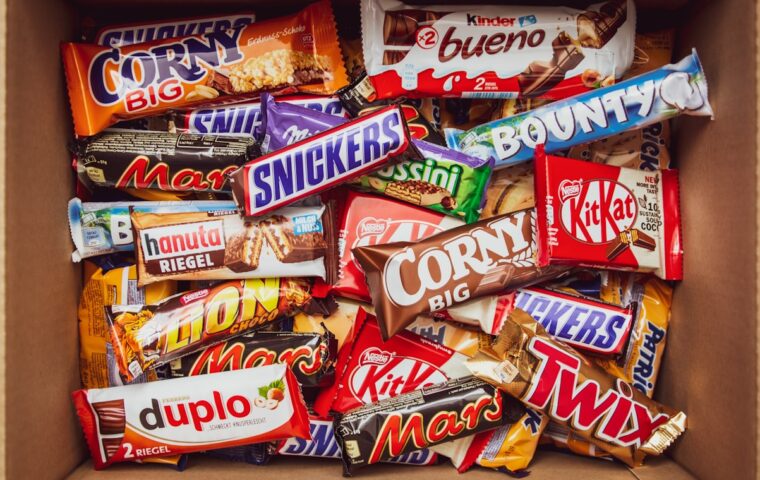

A patient once brought a granola bar to her appointment, genuinely proud. The front said "high in protein," "made with real fruit," and "no artificial colors." She had been eating two a day for months and could not understand why her blood sugar kept climbing. We turned the box over together. One bar had 4 grams of protein and 18 grams of sugar, most of it added. The front of the package had told her almost nothing useful.
That moment stuck with me, because she is not unusual. Food companies spend enormous effort on the front of the box, where the claims live, and very little persuading you to flip it over. The real story is always on the back.
The good news is that reading a label well is a skill, not a talent. Once you know the order to check things in, it takes about ten seconds per product. Here is the method I walk patients through.
Ignore the front of the package first
This sounds backwards, but it is the most important habit you can build. The front of a box is marketing space. Words like "natural," "wholesome," "lightly sweetened," and "made with whole grains" are mostly unregulated or loosely defined, which means they can appear on products that are not particularly healthy.
"Made with whole grains," for example, can be true even if the first and largest ingredient is refined white flour. A cereal can shout "no high-fructose corn syrup" while still being loaded with regular cane sugar. Train yourself to glance at the front, register that it is a sales pitch, and turn the box over before you decide anything.
Treat front-of-box claims as a question, not an answer. "High in protein" should make you ask, "Compared to what, and how much exactly?" The back of the box answers that question honestly.
Anchor everything to the serving size
Before you look at a single number, find the serving size at the very top of the Nutrition Facts panel. Every value below it, the calories, the sugar, the sodium, refers to that one serving, not the whole package.
This is where a lot of people get quietly fooled. A bag of chips might list 150 calories, which sounds reasonable, until you notice the serving size is 11 chips and the bag holds about three servings. A pint of ice cream may say a serving is half a cup. Be honest with yourself about how much you actually eat, then multiply. If you finish the bottle of juice in one sitting and it holds two servings, double everything you read.
Read the ingredient list like a ranking
Ingredients are listed by weight, from most to least. The first three ingredients usually make up the bulk of the product, so they tell you what you are really eating. If sugar, or one of its many aliases, sits near the top, you are buying a sweet food regardless of what the front claims.
Sugar hides under dozens of names: cane juice, brown rice syrup, maltose, dextrose, agave nectar, fruit juice concentrate. A clever trick is splitting sugar across several of these so no single one ranks first, even though together they would dominate the list. When you see three or four different sweeteners scattered through the ingredients, add them up in your head.
You do not need to fear every long chemical name, since some are just vitamins (ascorbic acid is vitamin C). But as a general rule, a shorter list of ingredients you recognize as actual food tends to point toward a less processed product.
Check added sugar, sodium, and fiber together
These three numbers tell you most of what you need to know about a packaged food. Many labels now separate "total sugars" from "added sugars," and that added line is the one worth watching, since it strips out the naturally occurring sugar in things like plain milk or fruit.
As a loose guide, I tell patients to be cautious with anything carrying more than roughly 10 to 12 grams of added sugar per serving in an everyday food, and to look for products with a few grams of fiber rather than none. Sodium adds up fast in bread, sauces, and frozen meals, so a single item near 600 to 700 milligrams deserves a second look if you are watching your blood pressure. None of these are hard cutoffs, just signals worth weighing against the rest of your day.
The percent daily value shortcut
To the right of each nutrient sits a percent daily value. A handy rule of thumb is that 5 percent or less of a nutrient is considered low, and 20 percent or more is high. Use this to scan quickly: you generally want low percentages for added sugar and sodium, and higher ones for fiber. It is a fast way to compare two similar products without doing arithmetic.
Decode the "health halo" buzzwords
Some terms carry a glow of healthiness they have not earned. "Gluten-free" cookies are still cookies. "Plant-based" can describe a heavily processed snack with little nutritional advantage. "Keto-friendly" and "low-carb" products sometimes swap sugar for sugar alcohols that upset some people's stomachs.
"Fat-free" deserves special suspicion. When fat is removed, manufacturers often add sugar to keep things tasting good, so a fat-free dressing can be sweeter than the regular version. I see the same confusion with supplements, where the packaging implies benefits the contents do not deliver. If you take pills regularly, our honest look at which popular supplements actually hold up to evidence applies the same skepticism to that aisle.
"Only 100 calories" packs and "20 percent less sugar" claims always hinge on the serving size or the comparison product. Less sugar than what? A version that was extremely sweet to begin with may still be high. Always pin the claim to the actual numbers on the back.
Match the label to your own eating pattern
A label cannot tell you whether a food is right for you, only what is in it. The same cereal might be a fine choice for an active teenager and a poor one for someone managing their weight. Context matters more than any single number on the box.
This is also why timing and overall pattern matter, not just individual products. If you are experimenting with meal structure, our comparison of intermittent fasting versus eating regular meals can help you think about when you eat alongside what you eat. And do not forget drinks, which are easy to overlook on a label scan: sugary beverages slip past many people, and proper hydration and how it shapes your overall health is worth factoring into the same shopping decisions.
The goal is not perfection or fear. It is being able to glance at a package, understand what it really offers, and decide whether it fits the way you actually eat.
Flip the box over, find the serving size, read the first three ingredients, check added sugar and sodium, glance for fiber, and treat front-of-box claims as marketing until the back proves otherwise. That sequence covers most of what you need.
Are "natural" and "organic" the same thing on a label?
No. "Organic" is a regulated certification about how food is grown or produced, while "natural" has a much looser, less enforced meaning. A product can say "natural" and still be highly processed, so do not treat the word as a stamp of nutritional quality.
Should I worry about every long chemical-sounding ingredient?
Not automatically. Some long names are simply vitamins or harmless preservatives, like ascorbic acid (vitamin C). Focus less on individual scary-sounding words and more on the overall pattern: where sugar ranks, how short the list is, and how many added sweeteners appear.
What if two products have nearly identical labels?
Compare the percent daily values for added sugar, sodium, and fiber side by side, then check the ingredient order. When they are truly similar, the cheaper or less processed option is usually the sensible pick.
None of this requires memorizing charts at the grocery store. Build the habit of turning the box over and reading in order, and within a couple of weeks it becomes automatic. This is general information rather than personal medical advice, so if you are managing a specific condition like diabetes or high blood pressure, check the targets that make sense for you with your own doctor or a registered dietitian. Happy reading, and trust the back of the box over the front.