
A client of mine once told me she did not have a drinking problem, she had a "wine o'clock" problem. Every weeknight, the second she walked in from work, a glass appeared in her hand before she had even taken off her coat. It was not about getting drunk. It was a reflex, a little reward, a way to mark the end of the day. By the weekend she was up to maybe ten or twelve drinks across the week without ever feeling like she had overdone it.
That story is more common than you might think, and it is exactly who this guide is for. Not people trying to quit, but social drinkers who like the ritual, the dinner-party wine, the cold beer after a hike, and just want a little more control over it.
As a dietitian, I am not here to lecture you. Alcohol is part of plenty of cultures and celebrations, and a blanket "never drink again" message rarely sticks. What works better is a handful of small, repeatable habits. Here is how I walk people through it, step by step.
1. Get an honest count before you change anything
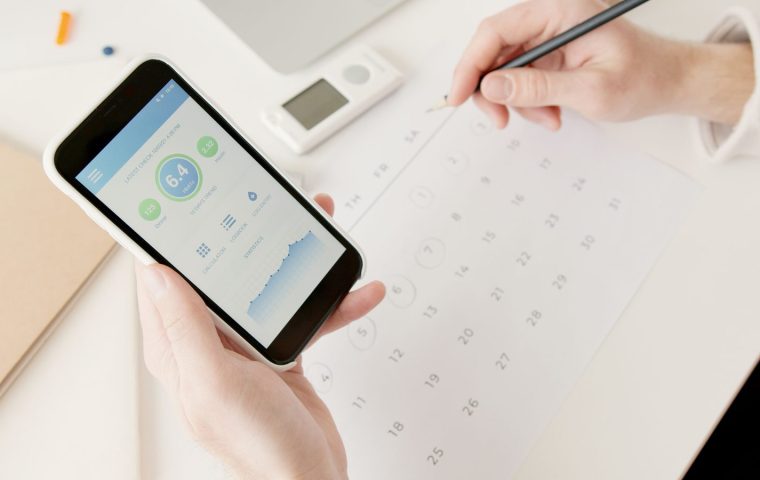
You cannot adjust a number you have never looked at. For one ordinary week, write down every drink. Not to shame yourself, just to see the real picture, because almost everyone underestimates.
The catch is what counts as "a drink." A standard drink is roughly 14 grams of pure alcohol, which works out to about a 350 ml regular beer, a 150 ml glass of wine, or a 45 ml shot of spirits. That generous pour you do at home? It might quietly be two drinks in one glass.
Use a measuring cup once at home to see what a true 150 ml glass of wine actually looks like in your favourite glass. Most people are shocked. After that, you can eyeball it honestly.
2. Set a target that is realistic, not heroic
General guidance from major health bodies leans toward keeping it modest, often framed as no more than around one drink a day for women and two for men, with several alcohol-free days each week. Those are population guidelines, not a personal prescription, but they give you a sensible anchor.
Here is the part I care about as a dietitian: pick a target you can actually hit this month, not a fantasy version of yourself. If you are at twelve drinks a week, aiming for zero overnight usually backfires. Cutting to six or seven, with two or three dry days, is a change that tends to last.
3. Build in alcohol-free days on purpose
Spreading your drinks out matters more than people realise. Two dry days a week breaks the automatic nightly habit and gives your liver a genuine break. The trick is to schedule them rather than wait for willpower.
I usually suggest tying dry days to something you already do. If you are someone who plans the week around your sleep and energy, the same thinking that powers a good early bird or night owl routine works here: anchor your no-alcohol nights to your natural rhythm. A Monday and a Tuesday tend to be easiest because the social pressure is lower.
4. Make the non-alcoholic option the easy one
Most of us drink what is closest at hand. So change what is closest. Keep sparkling water, kombucha, alcohol-free beer, or a nice cordial chilled and ready, and put the wine somewhere slightly inconvenient.
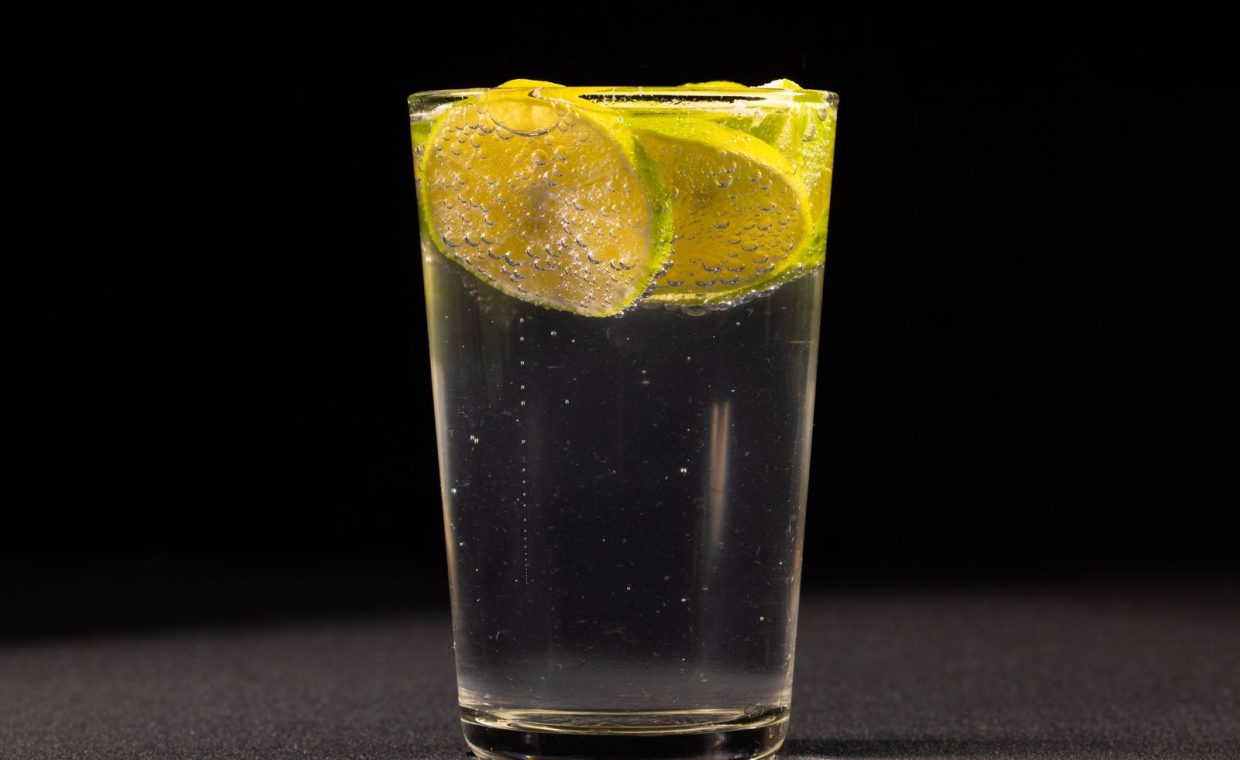
The ritual is often what we are actually craving, not the alcohol itself. A proper glass, ice, a wedge of lime, fizzy water: it scratches the same itch. I am genuinely a fan of the better non-alcoholic beers and sparkling drinks now on shelves. They have come a long way from flat, sad imitations.
People rarely think of alcohol as food, but it carries about 7 calories per gram, almost as much as fat, with no nutrition attached. A few drinks can quietly add several hundred calories, plus the late-night snacking they encourage. Cutting back is one of the simpler levers for weight management, which is a big reason it comes up in my consultations.
5. Slow the pace at the actual event
Moderation lives or dies in the moment, usually at a party or a dinner where everyone is topping up. A few habits do the heavy lifting here.
- Alternate every alcoholic drink with a full glass of water. It paces you and softens the next-day fog.
- Never let someone refill a glass that is not empty, because you lose track instantly.
- Eat something with protein and fibre before and during, so the alcohol absorbs more slowly.
- Hold your drink in your non-dominant hand. It sounds silly, but you sip less without noticing.
6. Have a plan for the moment you want one
The urge to drink is usually stress wearing a costume. The trick is to put a small gap between the feeling and the pour, and then do something else in that gap. This is where I borrow from my mental-health colleagues.
When the after-work tension hits, try a couple of slow exhales before you decide anything. A few of these simple breathing techniques for calm can take the edge off the same way that first sip seems to, except they leave you clearer instead of foggier. If the feeling is really about winding down, a short walk or a hot shower often does the job the wine was standing in for.
Tell yourself you can have the drink in twenty minutes. Set a timer. Do one small thing in the meantime. More often than not, the craving fades on its own before the timer goes off.
7. Protect your progress when life gets disruptive
Routines fall apart on holidays, work trips, and big celebrations, which is exactly when drinking creeps back up. Going in with a loose plan keeps a single weekend from undoing a month of effort.
Travel is the classic trap, all those airport bars and all-inclusive resorts. The same mindset behind staying healthy while travelling applies to drinking: decide your rough limit before you go, stay hydrated, and do not treat every day away as a write-off. Aim for "mostly on track," not perfect.
How to tell if it is working
Give any change at least a month before you judge it, because the early days are the hardest. The wins show up in places you might not expect: deeper sleep, steadier morning energy, fewer mystery headaches, a flatter mood that does not dip the day after a few drinks.
Keep tracking, but lightly. A simple note on your phone is plenty. If your number is trending down and the dry days are getting easier, you are doing it right, even if it is not a straight line.
If you have ever found you cannot stop once you start, drink to manage withdrawal symptoms, or feel your drinking is harming your health or relationships, moderation may not be the safe path, and stopping suddenly can itself be dangerous. Please reach out to a qualified healthcare professional, who can guide you safely.
Is a daily glass of wine actually good for my heart?
The old "wine is heart-healthy" idea has not held up well. More recent reviews suggest there is no clearly safe amount that benefits health, and the earlier studies likely overstated it. If you enjoy a glass, that is your call, but it is not a habit worth starting for health reasons.
How long until I notice a difference after cutting back?
Many people report better sleep and morning energy within one to two weeks. Changes like weight and skin tend to take a few weeks to a couple of months, and they vary a lot from person to person.
Do alcohol-free days really matter if my weekly total is the same?
Yes. Spreading drinks out instead of bunching them into heavy sessions is easier on your body and breaks the daily-habit loop. Several dry days a week is a worthwhile goal on its own, separate from your total count.
Cutting back on alcohol does not have to mean cutting out the things you enjoy about it. Start with an honest count, pick one or two of these steps, and let them settle before adding more. Be patient with yourself on the weeks that go sideways, because they will happen. Small, kind, repeatable changes are the ones that stick, and they add up to a version of social drinking that leaves you feeling genuinely better.