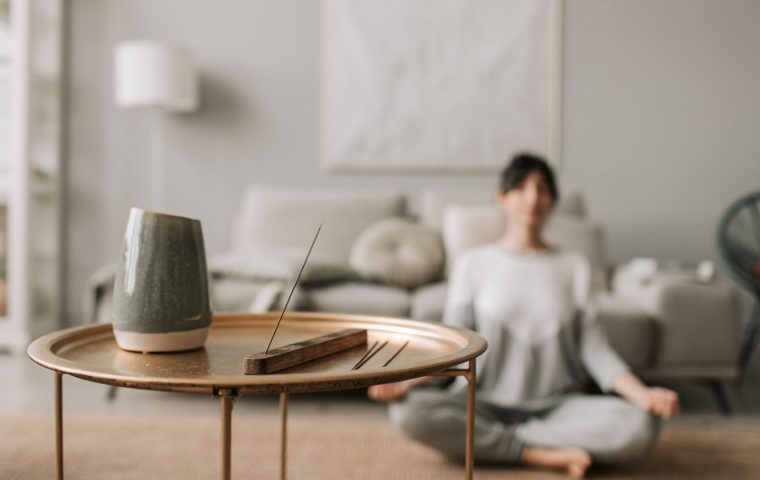


Picture the moment your name gets called before a presentation, or your phone lights up with a message you have been dreading. Your chest tightens, your breath goes shallow and fast, and your thoughts start sprinting. In my work with clients, that physical surge is almost always the first thing we learn to interrupt, because it is the lever you can actually reach in the heat of the moment.
Here is the part that surprises people: you cannot easily talk yourself out of stress, but you can breathe your way toward calmer. Slow, deliberate breathing nudges the nervous system away from fight-or-flight and toward rest-and-recover. It is not magic and it is not a substitute for treatment when stress is severe, but it is a free tool you carry everywhere.
Below are five techniques I teach most often. They take a few minutes, need no equipment, and work in a parked car, a bathroom stall, or a meeting where you have to look composed. Try them when you are calm first, so they feel familiar when you really need them.
When you lengthen your exhale, you gently stimulate the vagus nerve, which signals your body to slow the heart rate and lower arousal. You are not forcing calm, you are giving your physiology permission to downshift. That is why most of these methods make the out-breath longer than the in-breath.
1. Box breathing for a racing mind
Box breathing is the one I reach for when thoughts are looping and I need structure. You breathe in a count of four, hold for four, breathe out for four, and hold empty for four. Picture tracing the four equal sides of a square as you go.
The even rhythm gives a busy brain something simple to track, which is half the point. I tell clients to aim for four or five full rounds, roughly a minute or two. If holding the breath feels uncomfortable or makes you lightheaded, shorten the count to three, or drop the holds entirely and just breathe in and out for four.
It earned its reputation with people in high-pressure jobs for a reason. The predictability is grounding precisely when everything else feels chaotic.
2. The 4-7-8 method to wind down
If box breathing is for sharpening focus, 4-7-8 is for letting go. You breathe in quietly through the nose for four, hold for seven, then exhale slowly through the mouth for eight, ideally with a soft whoosh. That long, slow exhale is where the calming effect lives.
This is my go-to suggestion for anyone lying in bed with a churning mind. The extended out-breath naturally slows things down, and the counting occupies the part of your brain that would otherwise be rehearsing tomorrow's worries.
The 7 and 8 counts can feel long at first. Begin with two or three rounds, not eight. If you feel any dizziness, ease off and breathe normally. Comfort matters more than hitting the exact numbers, and the technique still works at a gentler pace.
3. Pursed-lip breathing for sudden panic
When stress spikes fast, breathing often gets quick and shallow, which can actually feed the panic. Pursed-lip breathing interrupts that loop. You breathe in gently through your nose for about two counts, then breathe out slowly through pursed lips, as if you were cooling a hot drink or blowing through a straw, for around four counts.
The pursed lips create a little resistance that keeps your airways open longer and naturally stretches the exhale. I find it especially useful because you can do it discreetly and it gives your hands and mouth something to focus on. One client described it as turning the dial down from a nine to a six within a couple of minutes, which is often all you need to think clearly again.
4. Diaphragmatic breathing to reset your baseline
Most of us breathe up in the chest, especially under stress. Diaphragmatic or belly breathing retrains you to breathe lower and fuller, which is calmer by default. Put one hand on your chest and one on your belly. As you inhale slowly through the nose, the lower hand should rise while the upper one stays fairly still. Exhale slowly and feel the belly fall.
This one rewards practice. A few minutes a day, lying down or sitting comfortably, gradually shifts your everyday breathing pattern, so you start from a steadier place even before stress hits. Think of it less as an emergency tool and more as quiet maintenance, the kind of small repeated act that builds a sturdier nervous system over time. It pairs naturally with the other small daily habits that build resilience when life gets demanding.
5. Coherent breathing for steady, sustained calm
Coherent breathing keeps things almost effortless: you simply breathe at a slow, even pace of about five or six breaths per minute. Roughly, that means inhaling for five seconds and exhaling for five seconds, with no holds and no forcing.
I like this for longer stretches, such as a commute, a waiting room, or the ten minutes before a hard conversation. Because the rhythm is gentle and symmetrical, it is easy to sustain for five or ten minutes, and that sustained slow pace is what helps bring heart rate and a buzzing mind into a steadier groove.
If counting seconds feels fiddly, search for a free breathing-pacer app or follow a slow visual on your phone. The point is consistency of pace, not precision.
Box breathing structures a racing mind, 4-7-8 helps you wind down, pursed-lip breathing eases sudden panic, diaphragmatic breathing resets your baseline, and coherent breathing sustains calm. Different moments call for different tools, so try a few and notice which fits.
Making these techniques actually stick
A technique you have never practiced will not show up reliably when you are stressed. Tie a method to an existing routine, such as three rounds of belly breathing while the kettle boils, so it becomes automatic. Two minutes a day beats an hour once a month.
It also helps to pair breathing with what you do around it. Reaching for an extra glass of wine to take the edge off is one of the more common patterns I see, and there are good reasons to be thoughtful there, which I cover in this honest look at moderating alcohol when stress is high. Breathing gives you a calmer alternative that does not borrow against tomorrow.
And be patient with yourself. People sometimes hold their breath, breathe too hard, or quit after one rough attempt, and then conclude it does not work for them. Those are normal stumbles, not failure. If you want to sidestep the most common traps, this guide to stress-relief mistakes that backfire is worth a read.
These techniques ease everyday stress and acute tension, but they are general information, not medical advice. If you live with frequent panic attacks, persistent anxiety, a respiratory condition, or stress that disrupts daily life, please talk with a qualified healthcare professional. Breathing tools work best alongside proper support, not instead of it.
How quickly should I feel calmer?
Many people notice their heart rate easing within a minute or two, often after just three or four slow rounds. The shift is usually gentle rather than dramatic, more like turning down a volume dial than flipping a switch. If nothing changes, try slowing the exhale further or choosing a different method.
Is it normal to feel lightheaded?
A little lightheadedness can happen if you breathe too deeply or too fast, or hold the breath longer than is comfortable. If that happens, return to normal breathing, then restart more gently with shorter counts. You should never push to the point of discomfort, and any persistent dizziness is worth raising with a doctor.
Which technique is best for sleep?
The 4-7-8 method and coherent breathing both work well at bedtime because their long, slow exhales help the body wind down. Try one for a few minutes once you are lying down, and let the counting gently crowd out racing thoughts rather than chasing sleep directly.
Pick one technique from this list and try it today, while you are calm, so it is ready when stress arrives. None of these require talent, only a little repetition. Be kind to yourself as you practice, and remember that a slower breath is one of the few steadying things you can always reach for, wherever you happen to be.