

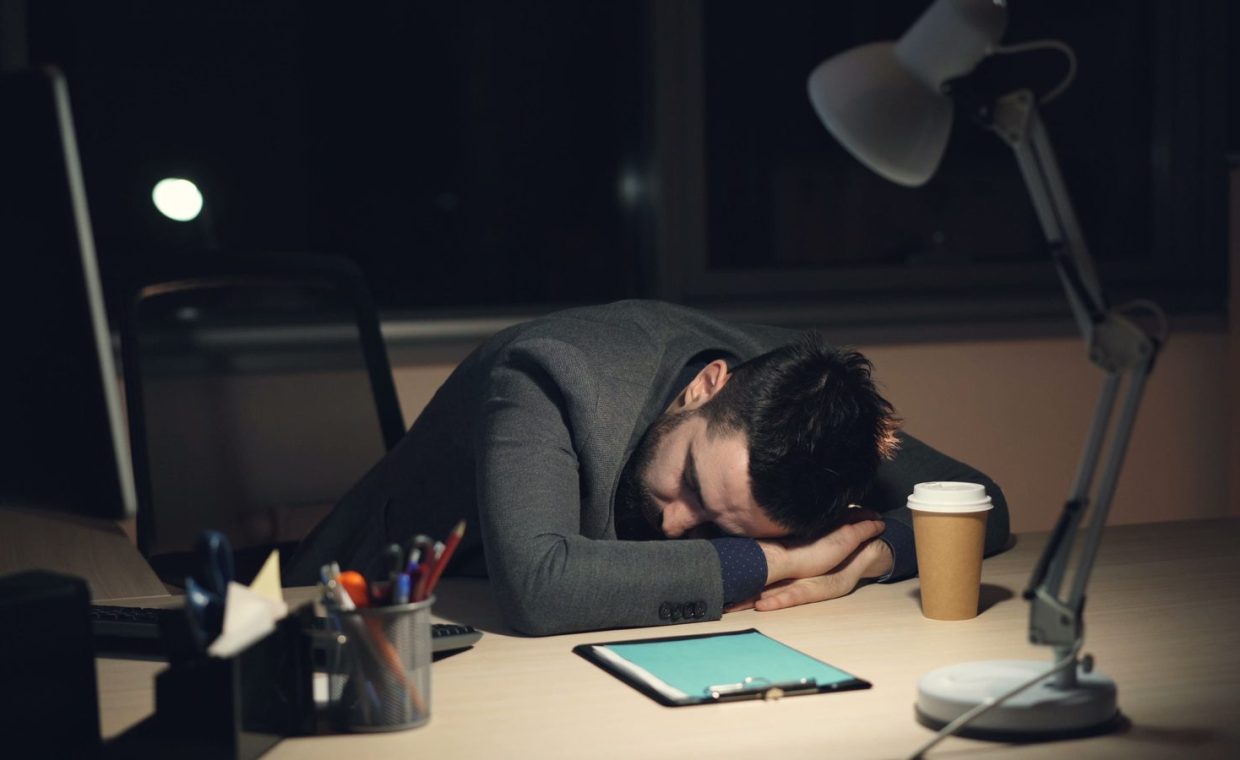
It is 11pm on a Tuesday. You had a brutal day, so you are on the couch with a glass of wine, scrolling your phone, half-watching a show you will not remember tomorrow. You feel a little better for about twenty minutes. Then you feel worse, and you cannot quite say why.
I see this pattern constantly in my clinical work, and honestly, I have lived it myself. The trouble is not that you lack willpower or that you are doing wellness wrong. The trouble is that several of the most popular ways to take the edge off are quietly working against you. They soothe the moment and tax the next day.
None of this is about blame. Reaching for relief when you feel awful is deeply human. The goal here is simply to notice which habits give you a real return and which ones charge interest, then make small, doable swaps.
1. Using alcohol to wind down at night
A drink does take the edge off. Alcohol is a sedative, so that first glass genuinely loosens a tight chest and a busy mind. The relief is real, which is exactly why this one is so sticky.
Here is the catch. As your body metabolizes alcohol over the night, it produces a rebound effect that fragments your sleep, especially in the second half of the night. You wake at 3am with your heart going, feeling more wired than rested. Poor sleep then lowers your stress tolerance the next day, so you arrive at the evening primed to want another drink. It is a tidy little loop, and not a kind one.
If you find you cannot relax in the evening without a drink, that is worth gentle attention, not panic. It can signal that alcohol has become your main off-switch rather than one option among many.
The fix: Keep the ritual, change the contents. The wind-down cue is often what you actually crave, the dimmed lights and the moment of pause. Try a warm non-alcoholic drink, ten minutes of reading, or a short stretch. If you do drink, finishing a few hours before bed protects your sleep far more than the last glass relaxes you.
2. Doom-scrolling as a way to "switch off"
Scrolling feels passive, so it reads as rest. In practice your nervous system is doing the opposite of resting. A feed of alarming headlines, comparison-bait, and notifications keeps your threat system mildly activated, drip-feeding cortisol while you sit perfectly still.
You also get variable rewards, the occasional funny clip or interesting post, which is precisely the mechanism that makes slot machines hard to leave. Twenty minutes becomes ninety, and the relief you were chasing never quite lands. Many of the same traps that wreck our attention also wreck our calm, something I dig into more in this piece on the subtle errors people make when trying to focus better.
The fix: Give your brain a deliberate, lower-stakes input instead of an infinite one. A finite thing has an ending built in: a single chapter, a few pages of a magazine, one episode, a phone call to someone you like. If you want to scroll, set a visible timer and put the phone in another room when it rings. The friction is the point.
3. Pushing through and calling it "being strong"
This one rarely looks like a mistake, which is what makes it so costly. You feel stress rising, so you grit your teeth, skip the break, and power on. Productive, responsible, admirable. Right up until it is not.
Chronic stress is not just a feeling; it is a physiological state. When you never let your body return to baseline, the on-switch gets stuck. Over weeks and months, that steady load is what tips into exhaustion, cynicism, and the flat, depleted feeling we call burnout. The people who push hardest are often the ones it catches.
Rest is not the reward for finishing your stress. It is part of how you process it. A ten-minute pause is maintenance, not weakness, and your output usually improves when you take it.
The fix: Build in small recoveries before you are desperate for them. A genuine lunch away from the screen, a short walk between meetings, one evening a week with nothing scheduled. For a real-world picture of how this plays out, I find this account of one reader climbing out of burnout more persuasive than any lecture I could give.
4. Drowning the day in caffeine
When you are running on poor sleep and high stress, caffeine feels like a lifeline. The problem is that caffeine and your stress response pull the same levers. It raises heart rate and can amplify that jittery, on-alert sensation, so a stressful day plus a fourth coffee can read in your body as straight-up anxiety.
It also lingers. Caffeine has a long half-life, meaning an afternoon cup is still partly in your system at bedtime, thinning your sleep without you noticing. Thin sleep means more stress tomorrow, which means more coffee. Sound familiar?
The fix: You do not have to quit, just shift the timing. Try keeping caffeine to the first half of your day and switching to something warm but decaffeinated after early afternoon. Notice whether your 3pm slump is actually caffeine wearing off rather than true tiredness, because the answer changes what you reach for.
5. Forcing yourself to relax on command
You sit down to meditate after a hard day, and within a minute you are tense about whether you are doing it right. Now you are stressed about being stressed. This is a real phenomenon, and it is more common than the calm-meditation marketing suggests.
Relaxation is not a switch you flip by demand. Pressuring yourself to feel calm right now adds a second layer of judgment on top of the original stress. For some people, lying still and trying to empty the mind actually makes racing thoughts louder.
The fix: Aim for down-regulation, not instant bliss. Slow physical practices give the nervous system something concrete to follow: a longer exhale than inhale, a slow walk, gentle movement, warm water on your hands. Drop the goal of feeling great and keep the goal of feeling slightly less activated. That bar is reachable, and reaching it builds trust that the tools work.
6. Treating sleep loss as the price of a busy life
When stress climbs, sleep is usually the first thing we sacrifice. We stay up to claw back personal time or to keep working, telling ourselves we will catch up on the weekend. But sleep is not a luxury you earn after the stress is handled. It is one of your strongest tools for handling it in the first place.
Short sleep makes the brain's threat center more reactive and the calming, rational front of the brain less able to keep it in check. So the same email that would have been a minor annoyance well-rested becomes a genuine spiral when you are running on five hours. You are not weak; you are under-slept.
Pick one consistent wake time, even on weekends, and let your body anchor to it. A steady wake time does more for stress resilience than any single relaxation gadget I could recommend.
The fix: Protect a wind-down window the way you would protect a meeting. Work with your natural rhythm rather than against it; whether you are a lark or an owl shapes what realistic looks like, which is why this comparison of early-bird and night-owl routines is worth a read before you overhaul your schedule.
What better stress relief actually looks like
Notice the through-line in every fix above. The habits that backfire tend to be fast, passive, and consumed, while the ones that help are usually a little slower, a little more active, and chosen on purpose. That is not a coincidence. Real relief usually asks for a small amount of effort up front and pays you back later, rather than the other way around.
You do not need to overhaul everything at once. Pick the one mistake that stung to read, and swap just that. Small, repeated changes compound far better than a dramatic reset you abandon by Thursday.
Is it bad to use my phone to relax at all?
Not inherently. A video call with a friend or a calming game can genuinely help. The issue is open-ended, alarming, comparison-heavy scrolling. Choose finite, lower-stakes content and give it a clear stopping point.
How do I tell ordinary stress from something that needs professional help?
If stress is steady for weeks, disrupts your sleep, work, or relationships, or comes with persistent low mood or hopelessness, that is a signal to reach out. This article is general information, not personal medical advice, so please talk with a qualified healthcare professional about your own situation.
I have tried these swaps and still feel wired. What now?
Start smaller and stack the basics: consistent sleep timing, daytime movement, and one reliable wind-down ritual. If you have layered the fundamentals and still feel chronically on edge, a doctor or therapist can help rule out contributing factors and tailor a plan.
Be patient with yourself here. Most of these backfiring habits exist because they once worked, or still work for twenty soothing minutes, and that is not a character flaw to be ashamed of. Swap one thing this week, notice how the next morning feels, and let that small evidence guide the next change. Calmer days are usually built from quiet, ordinary choices, not heroic ones.