

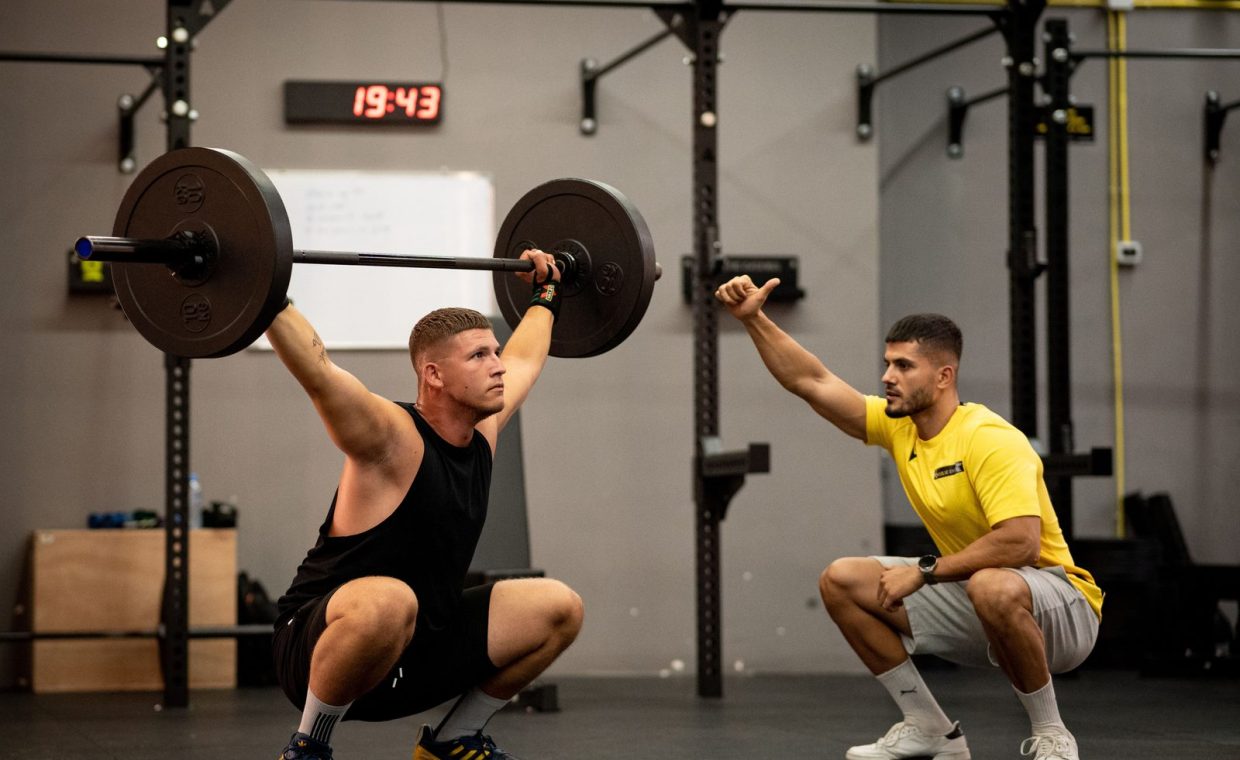
The first time I watched a new client deadlift, his back rounded like a frightened cat halfway up the rep. He was strong, motivated, and one bad pull away from a week on the couch with an ice pack. We dropped the weight by half, fixed his setup, and he never looked back. That moment is why I care so much about form.
Here is the thing nobody tells beginners: most lifting injuries are not freak accidents. They are small technique errors repeated hundreds of times until something gives. The good news is that the fixes are usually simple, and you do not need a coach hovering over you to apply them.
Below are the mistakes I see most often in the first few months of training, why each one quietly costs you, and how to correct it. Work through them one at a time and your progress will speed up.
1. Chasing weight before owning the movement
New lifters love to add plates. It feels like progress, and the gym culture around us rewards big numbers. The problem is that loading a movement you cannot yet control just makes a sloppy pattern heavier and harder to fix later.
When the weight is too heavy, your body finds shortcuts. Hips shoot up early in a squat, elbows flare on a press, the bar drifts away from your shins on a pull. Each of those adds wear over time.
Earn the next jump in weight. If you cannot do all your prescribed reps with the same clean technique you used on rep one, you are not ready to add load. Stay there another session or two. Patience here is not slower, it is the fast lane.
2. Holding your breath the wrong way (or not at all)
Breathing sounds like the last thing you should overthink, but it is one of the biggest separators between a stable lift and a wobbly one. Beginners tend to either hold their breath in a panic or breathe shallowly through a heavy set, and both leave the trunk unsupported.
Your core works like a pressurized can. A proper breath, taken into the belly and braced before you move, turns your midsection rigid and protects your spine.
The fix is a simple rhythm. Breathe in and brace before the hard part of the rep, hold that tension through the effort, then exhale near the top. Practice it on light sets so it is automatic when the weight climbs.
3. Letting the knees cave on squats and lunges
Watch a beginner squat under fatigue and you will often see the knees drift inward toward each other. It looks minor. Over thousands of reps it stresses the knee joint and robs your glutes of the work they should be doing.
Usually the cause is weak or sleepy hip muscles rather than anything structural. The body takes the path of least resistance, and inward knees is that path.
Think "spread the floor" as you stand up, as if you were screwing your feet outward into the ground without actually moving them. A light resistance band looped just above the knees during warm-up sets gives instant feedback, because you will feel exactly when you stop pushing out.
4. Rounding the back when you pick things up
This is the one that worries me most, because a rounded-back lift under load is where real injuries happen. It shows up in deadlifts, in picking dumbbells off the floor, even in setting a barbell down after a good set.
A rounded spine under heavy load concentrates force on the small structures of your back instead of spreading it across strong muscles and joints. You can get away with it for a while, and then one day you cannot.
The fix starts before the bar moves. Set your hips so your back is flat, pull the slack out of the bar so you feel tension before anything leaves the ground, and keep your chest proud through the whole pull. Film yourself from the side, because most people think their back is flat when it is not.
5. Rushing the reps and skipping control
Speed feels productive. Bouncing through reps lets you move more weight and finish faster, so beginners gravitate to it. The trouble is that momentum does the work your muscles should be doing, and the bottom of each fast rep is where joints take the brunt.
Controlled lifting builds more muscle and more skill per rep. You do not need to grind painfully slowly, but you do need to own both directions of the movement, especially the lowering phase.
A useful pace for most beginners is a steady lower over two or three seconds, a brief pause, then a deliberate lift. If you cannot control the way down, the weight is teaching you nothing except how to fling it. This patient approach pairs well with the mindset behind how research actually frames daily movement targets, where steady habits beat chasing a flashy number.
6. Treating warm-ups and recovery as optional
I get it. You have twenty minutes, you want to lift, and a warm-up feels like a tax on your time. But walking into heavy sets cold is asking stiff joints and unprepared muscles to perform, and that is when form falls apart in the first set.
A warm-up does not need to be long. Five to ten minutes of easy movement and a couple of lighter sets prepares the exact patterns you are about to load. Recovery matters just as much, since muscle is built between sessions, not during them.
One of the busiest people I ever trained, profiled in our account of a father who got fit in twenty minutes a day, made every minute count precisely because he warmed up smart and never skipped his rest days. Sleep is part of that picture too, and avoiding the evening habits that quietly wreck your sleep will do more for your lifts than any pre-workout powder.
7. Ignoring what your body is telling you
There is a difference between the honest burn of hard work and the sharp, specific pain that signals something is wrong. Beginners often blur the two, pushing through warning signs because they think discomfort is the whole point.
Muscle fatigue is dull and spread out. Joint pain is sharp and located in one spot. If a movement consistently produces the second kind, that is information, not weakness to override.
Stop the set if you feel sharp or pinching pain in a joint, numbness, or a sensation that something "shifted". Form breakdown plus pain is the body asking you to back off. This article is general education, not medical advice, so if pain lingers or worries you, please check in with a doctor or qualified physical therapist before pushing on.
How these mistakes connect
Notice a pattern across all seven? Almost every one comes from rushing: rushing to add weight, rushing the reps, rushing past the warm-up. Good form is really just the discipline to slow down enough to do each piece well.
You do not have to fix everything at once. Pick the one mistake that sounds most like you this week, drill the correction until it feels natural, then move to the next. The lifter who fixes one habit a month is unrecognizable in half a year.
How do I know if my form is good without a coach?
Film yourself from the side and the front for your main lifts. Compare against a reputable demonstration video and look for the specifics covered here: flat back, stable knees, controlled tempo, a solid brace. A phone and honest eyes catch most issues a beginner needs to fix.
Should I lift lighter while I learn technique?
Yes, and it is not a step backward. Practicing a clean pattern at a manageable weight wires the movement correctly, so when you do add load the good habit is already in place. Most beginners build faster long term by starting lighter than their ego wants.
Is some soreness after lifting normal?
Mild, general muscle soreness for a day or two is common, especially early on, and usually fades as your body adapts. Sharp pain in a joint, pain that worsens, or anything that limits everyday movement is different and worth getting checked rather than training through.
Form is not about being perfect or impressing anyone at the gym. It is the foundation that lets you keep training for years without forced breaks. Fix these habits one at a time, stay patient with the weight, and trust that clean reps today are what let you lift heavy and pain-free down the road. I would rather see you do a little less, a lot better, and still be lifting long after the rushers have quit.