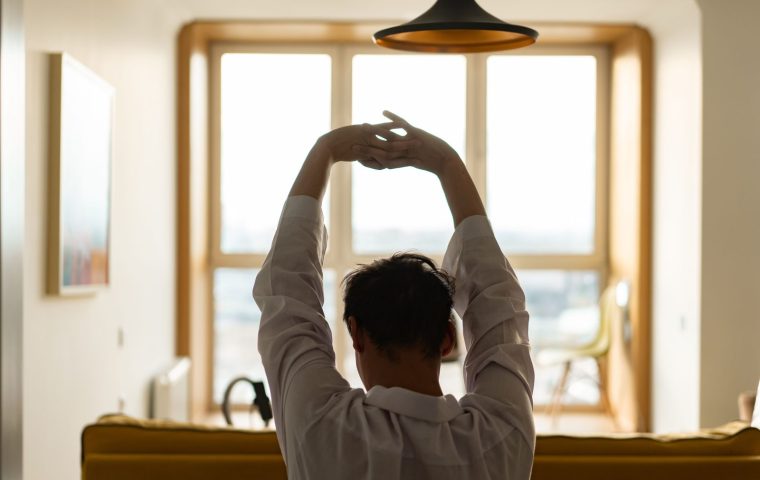

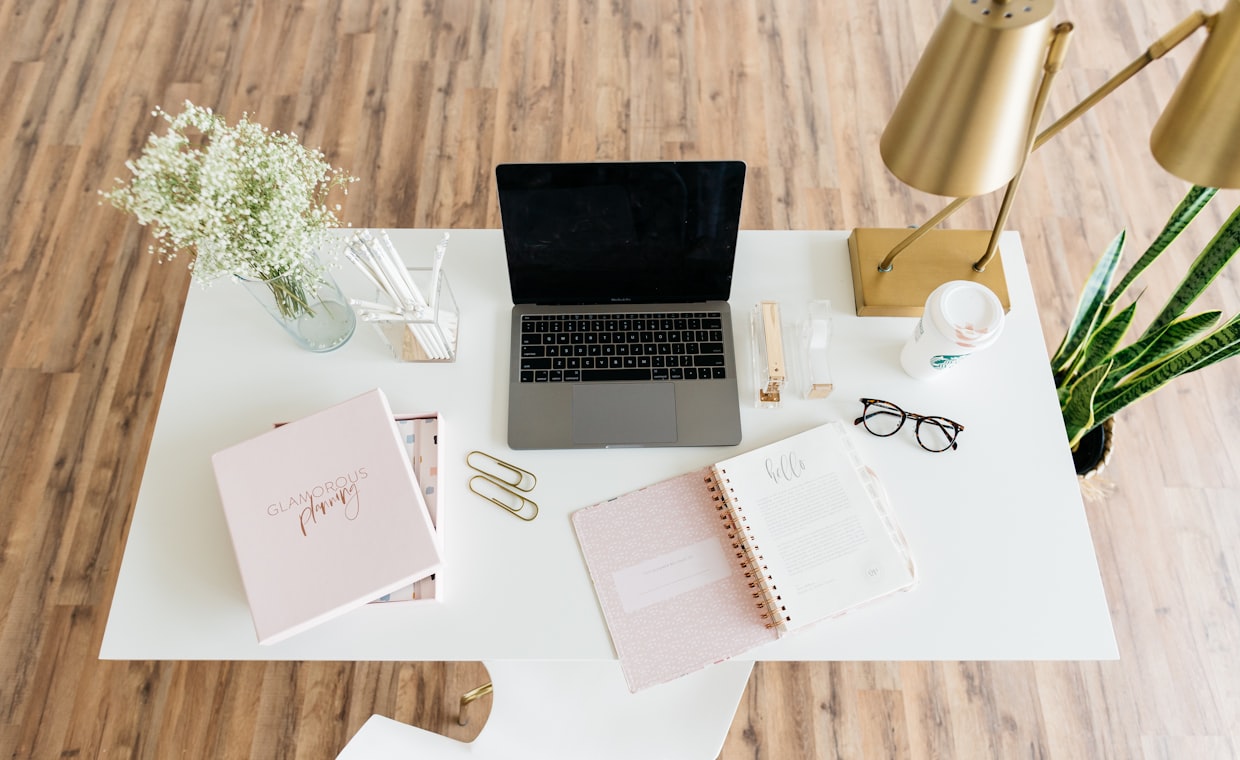
The first time I worked from home full time, I looked up at 4pm and realized I had taken exactly 41 steps all day. Bed to kitchen, kitchen to couch, couch to a kitchen chair I had claimed as a desk. My back ached, my eyes felt sandy, and I had eaten lunch standing over the sink at 2:30.
Nobody warns you that the commute you hated was doing a few quiet favors. It forced you to move, it drew a line between work and rest, and it gave your eyes something to look at other than a screen a foot from your face.
Working from home can absolutely be healthier than an office, but that does not happen by accident. It happens because you build a few small structures into a day that no longer has any built in edges, without turning your life into a full time wellness project.
Give Your Day Real Edges
An office has a start, a lunch, and an end. Home erases all three unless you draw them back yourself. The goal is not rigidity, it is a container.
Pick a start ritual and an end ritual, and keep them dead simple. Mine is making coffee before I open my laptop and closing the lid at a set time so it is physically shut, not glowing at me from the corner.
When work and rest blur together, both suffer. You answer a message at 9pm and scroll the news at 11am, and neither feels like fully working or fully resting.
Move More Than You Think You Need To
The single biggest health cost of remote work is how still you become. In an office you walk to meetings, to the printer, to a colleague's desk. At home those trips vanish, and it is easy to sit for six hours straight.
You do not need a gym membership or a fancy standing desk to fix this. You need reasons to stand up that repeat all day. The science on why prolonged stillness is a problem is worth understanding, and this guide on how to counter sitting health risks breaks down what actually helps versus what just sounds good.
My rule is boring and it works. Every time a call ends, I stand and walk to the kitchen for water. That is roughly one lap per hour, and it adds up to real movement without any planning.
Small movement anchors
- Take phone calls standing or pacing instead of seated.
- Do 10 slow squats while the kettle boils.
- Walk a short loop outside after lunch, even 8 minutes.
- Keep a water glass small so you refill it often.
Fix the Chair Before You Fix Anything Else
Most people set up their home workspace by accident. A dining chair, a coffee table, a laptop on a stack of books. Then they wonder why their neck hurts by Wednesday.
Your body holds whatever shape your setup forces on it for eight hours. A screen that sits too low pulls your head forward, and a chair with no support rounds your lower back. Over months, that becomes your default even when you stand up.
You can improve this cheaply. Raise your laptop so the top of the screen is near eye level, add an external keyboard, and put a firm cushion behind your lower back. For the full walk through of getting your setup right, this desk posture daily guide covers monitor height, chair angle, and the small adjustments that matter most.
A stack of hardcover books to raise your screen, a rolled towel for lumbar support, and a $25 keyboard will do more for your posture than a $600 chair used incorrectly. Get the basics right, then upgrade if your budget allows.
Protect Your Eyes and Your Attention
Screens at home tend to multiply. You work on a laptop, glance at your phone, then relax by watching another screen. Your eyes rarely focus on anything more than a few feet away, and that constant close focus leaves them tired and dry.
The classic fix still holds up. Every 20 minutes, look at something roughly 20 feet away for about 20 seconds. It sounds trivial, but it gives your eye muscles a genuine break.
The bigger issue is total exposure. When your job and your downtime both live on screens, the hours stack up fast. Being deliberate about reducing screen time daily outside of work hours protects both your eyes and your sleep, since evening screen light nudges your body clock later than you want.
Eat Like Someone Who Has a Kitchen
Working from home hands you a real advantage here, and most of us waste it. You have a full kitchen 20 feet away, yet the snacks and the lack of structure can push you toward grazing all day.
The trap is eating at your desk, which means you barely register the food and reach for more an hour later. Try to eat lunch away from your workspace, even if it is the other end of the same table.
Prep a little so the easy choice is a good one. If cut vegetables and boiled eggs are ready to grab, you eat those. If the only fast option is a bag of chips, you eat those instead.
Guard the Line Between Alone and Lonely
The part nobody puts on the productivity blogs is how quiet a home workday can get. You can go from Monday to Thursday without a real conversation, and that steady isolation wears on your mood in ways you notice late.
Build in human contact on purpose. Schedule a walking call with a friend, work from a cafe once a week, or just turn a text thread into an actual phone call.
Sunlight matters too. Step outside in the morning if you can, since daylight early in the day steadies your mood and helps you sleep that night.
Office habits versus home habits, and how to bridge the gap:
| What the office gave you | What home removes | How to replace it |
|---|---|---|
| Built in walking | Movement between tasks | Stand and lap the kitchen every hour |
| A defined workday | Start and end edges | Simple open and close rituals |
| Face to face contact | Casual conversation | Walking calls, one cafe day a week |
| Set lunch break | A real pause to eat | Eat away from the desk, prep ahead |
| Varied sightlines | Distance for your eyes | 20-20-20 rule, a window view |
Start With One Thing, Not Ten
Reading a list like this, it is tempting to overhaul everything on Monday. That almost never sticks. Pick the one change that fixes your biggest complaint and do only that for two weeks.
If your back hurts most, fix the chair and screen height first. If you feel sluggish, start with the hourly stand up. Momentum from one solved problem makes the next change easier to add.
How often should I get up when working from home?
A good general target is to stand and move for a minute or two at least once an hour. Tying it to something that already happens, like the end of a call or a refill of water, makes it stick far better than relying on willpower.
Do I really need a standing desk?
Not necessarily. Standing all day has its own downsides, and the real goal is variety, not a specific piece of furniture. Alternating between sitting well and moving often matters more than whether you own a standing desk.
How do I stop snacking all day at home?
Eat structured meals away from your workspace and keep prepped, easy-to-grab whole foods on hand. Most all-day grazing comes from boredom and proximity, so making the good option the convenient one solves most of it.
None of this asks you to become a different person. It asks you to add a few small edges back to a day that lost them when your office moved into your living room. Start with one habit this week, notice how it feels, and let the rest follow. Your back, your eyes, and your evenings will thank you for it.