
A patient once told me she "basically never drinks water," then looked genuinely puzzled when I asked how she got through the afternoon. The truth was she did drink, just not from a tall glass of plain water. Her coffee, her soup, the orange she ate at her desk, even the cucumber in her lunch were all quietly doing the job. She was less dehydrated than she feared, but she could still do better, and the fix had almost nothing to do with willpower.
If plain water tastes like a chore to you, you are not broken and you are not failing some basic adult task. Plenty of people find it boring, and forcing it rarely lasts past Tuesday. The good news is that hydration is more flexible than the old "eight glasses a day" slogan suggests, and there are several ways to reach a sensible intake that do not feel like punishment.
Here is how I walk people through it, step by step, starting with what your body is actually asking for.
Start by knowing what your body actually needs
The famous eight-glasses rule is a rough guideline, not a law. General recommendations land somewhere around 2 to 3 liters of total fluid a day for most adults, but that figure includes everything you drink and a surprising amount of what you eat. Your size, activity level, the weather, and your health all shift the target.
The reason hydration matters goes well beyond thirst. Fluid helps regulate body temperature, cushions joints, moves nutrients around, and supports clear thinking. When you run low, the first signs are often fatigue, a dull headache, or trouble concentrating rather than a dramatic dry mouth.
Glance at your urine color through the day. Pale straw usually means you are doing fine; consistently dark yellow is a gentle nudge to drink a bit more. It is low-tech, free, and more reliable than counting glasses.
Make plain water taste like something
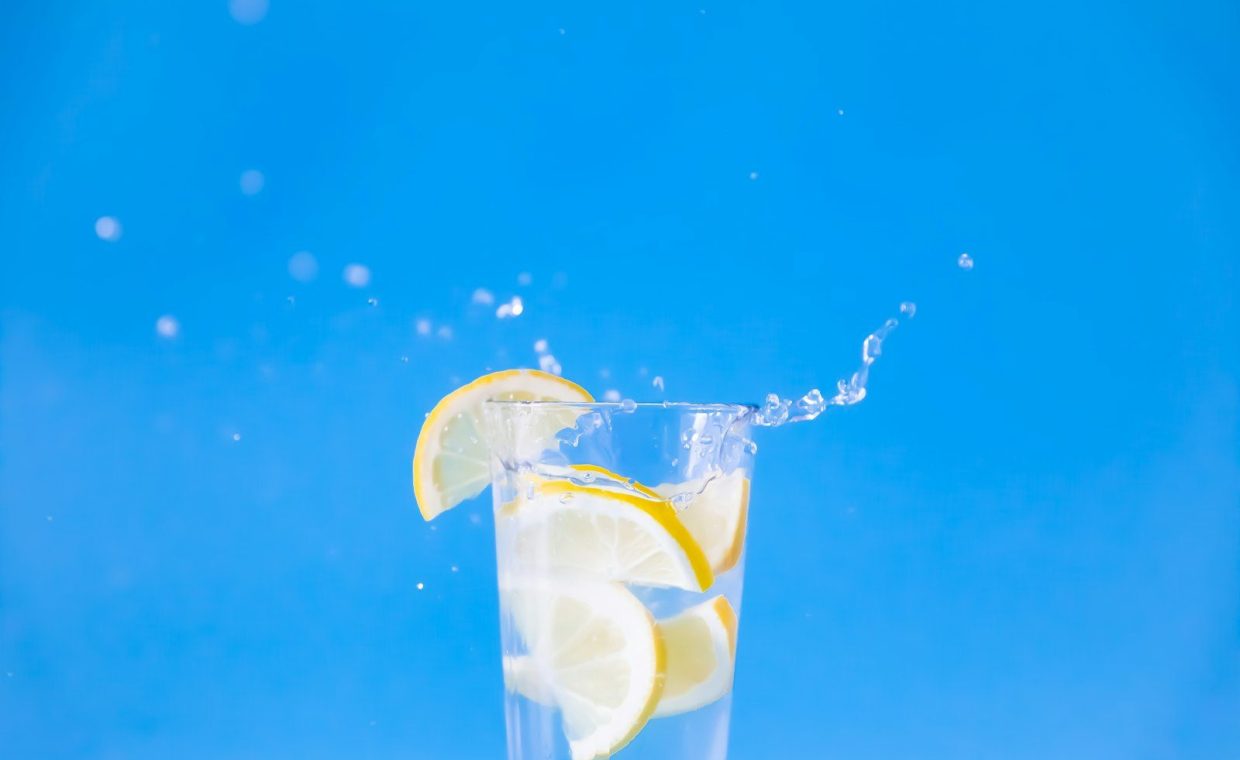
If water bores you, the easiest first move is to stop drinking it plain. A few cucumber slices, a squeeze of lemon or lime, a handful of frozen berries, or a sprig of mint turns a flat glass into something you actually want to finish. None of this adds meaningful sugar or calories, and it sidesteps the "I just don't like the taste" problem entirely.
Temperature matters more than people expect, too. Some of us drink far more when water is icy cold; others prefer it room temperature or warm, like herbal tea. Experiment for a week and notice which version empties the glass faster. I am firmly in the very-cold camp myself, and a chilled bottle on my desk roughly doubles what I drink in an afternoon.
Sparkling water deserves a mention as well. For many people the fizz scratches the same itch as soda without the sugar, and plain carbonated water counts toward your fluids just like the still kind.
Let food do part of the work
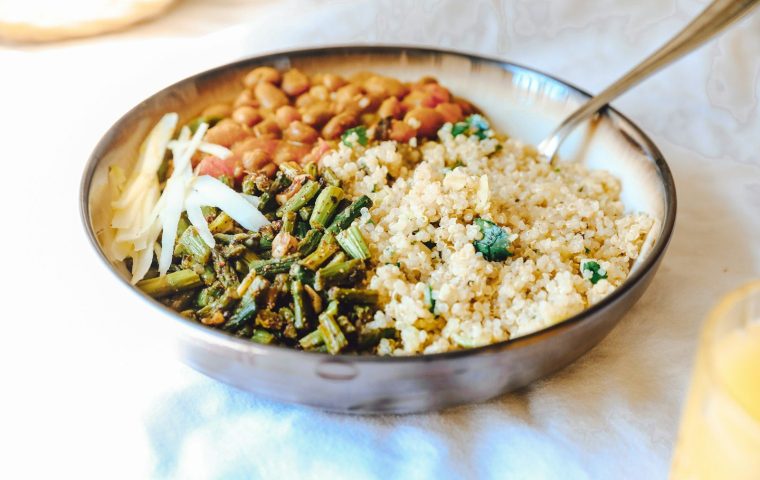
This is the part most people forget. Food can supply a meaningful share of your daily fluid, by some estimates roughly a fifth of it, and certain foods are nearly water by weight. Cucumber, watermelon, oranges, strawberries, lettuce, tomatoes, and zucchini all hover above 90 percent water.
Soups, broths, yogurt, and even oatmeal made with extra liquid pull in the same direction. If you are already thinking about building meals ahead of time, you can lean into this on purpose. When I help people set up a realistic batch-cooking system for busy weeks, I nudge them toward a few water-rich produce items and a brothy soup or two, so hydration rides along with dinner instead of becoming one more task.
Counting only what you drink undersells how hydrated you really are. A lunch of salad, fruit, and a bowl of soup can quietly contribute several hundred milliliters before you have touched a water bottle.
Build drinking into habits you already have
Willpower fades; routines stick. Rather than reminding yourself to drink, attach sips to things you do anyway. A glass when you wake up, one before each meal, a refill every time you stand up from your desk, a few sips at every red light on the commute. These anchors do the remembering for you.
Keeping water visible and within reach is half the battle. A bottle on your desk gets sipped; a bottle in the kitchen cupboard does not. Some people like a marked bottle that shows progress through the day, which can be motivating if you respond to that kind of feedback. Others find it stressful, so skip it if it feels like homework.
If you genuinely forget
For chronic forgetters, a phone reminder a few times a day works better than relying on thirst, which tends to lag behind your actual needs, especially as we age.
Use other drinks, but read them honestly
Coffee and tea count. The old idea that caffeine dehydrates you has been overstated; in normal amounts these drinks add to your daily fluid rather than draining it. Milk and milk alternatives count too, and they bring protein and other nutrients along for the ride.
The drinks to watch are the sweet ones. Sodas, sweetened iced teas, energy drinks, and many bottled smoothies hydrate you while delivering more added sugar than most people intend. This is exactly where label-reading skills pay off. Learning to decode a nutrition label without getting fooled helps you spot a "vitamin water" that is closer to soda, or a flavored drink whose sugar hides under five different names.
Drinking enormous volumes of plain water in a short span is not a virtue and, in rare cases, can be harmful by diluting blood sodium. For almost everyone, steady sipping across the day beats chugging a liter to "catch up." If you have a heart, kidney, or other medical condition that affects fluid balance, follow your own clinician's guidance over any general rule here.
Adjust for heat, exercise, and life stages
Your needs are not fixed. Hot weather, a hard workout, a fever, or breastfeeding all raise the amount of fluid you lose, so you drink more to keep up. After heavy sweating, a pinch of salt in your food or an electrolyte drink can help your body hold onto what you take in, though for ordinary daily life plain fluids are plenty.
Older adults deserve special attention, because the thirst signal weakens with age and the consequences of dehydration can be more serious. The same goes for young children. If you are already thinking about which checkups matter at each stage of life, treat hydration habits as part of that same age-aware mindset rather than an afterthought.
Put it together into an easy day
None of this requires a dramatic overhaul. A glass of water with a lemon wedge in the morning, coffee with breakfast, a water-rich lunch, a bottle of cold or sparkling water at your desk, herbal tea in the evening, and you have comfortably met your needs without ever counting to eight. Pick the two or three tactics above that sound easiest and let the rest follow.
Flavor your water, let water-rich foods help, anchor sips to existing routines, count coffee and tea, watch sugary drinks, and drink a little more when it is hot or you are active. Steady and pleasant beats forced and miserable.
Does coffee really count toward my daily fluids?
Yes. In typical amounts the caffeine has only a mild diuretic effect, so the net result still adds to your daily fluid. The same goes for tea. Just keep an eye on added sugar and syrups.
Is it possible to drink too much water?
For most people drinking to comfortable satisfaction, no. Problems are rare and usually involve drinking very large volumes very fast. Sip steadily across the day, and check with a healthcare professional if you have a condition that affects fluid balance.
How do I know if I am actually dehydrated?
Common early signs are tiredness, a mild headache, dark urine, and trouble focusing. The urine-color check is a handy daily gauge. Persistent symptoms despite drinking well are worth raising with a clinician.
Hydration does not have to be a daily test of discipline. Find the flavors, foods, and small routines that fit your real life, and the right amount tends to take care of itself. This is general information rather than personal medical advice, so if you have specific health concerns or a condition that affects how much you should drink, talk it through with a qualified healthcare professional. Your future, less-headachy afternoons will thank you.