
A few years ago I sat in on a recovery session with a college track team. The coach had a whiteboard, and at the very top, above the lifting numbers and the sprint splits, he had written one word: sleep. Not protein, not stretching, not ice baths. Sleep.
That stuck with me, because I had always thought of sleep as the thing that happens after training, almost an afterthought. The athletes I talked to saw it the other way around. To them, the hours in bed were where the actual adaptation happened. The workout was just the stimulus.
I am a health writer, not a coach, so I went and read what the research actually says rather than taking the whiteboard at face value. The picture that came back was more convincing than I expected, and it applies to weekend runners and gym regulars just as much as to elite competitors.
Sleep is when the repair work gets done
When you train hard, you are not building anything in the moment. You are creating small amounts of damage and stress in muscle tissue. The rebuilding, the part that makes you stronger or faster, happens afterward, and a lot of it happens during deep sleep.
During the deeper stages of the night, the body releases most of its growth hormone, which plays a role in tissue repair and recovery. Blood flow to muscles shifts, inflammation gets managed, and the nervous system resets. Skip that window, and you have done the hard part of training without giving your body the chance to cash in on it.
Think of it like depositing a paycheck and then never going to the bank. The work happened, but the benefit never lands.
What "performance" actually means here
Recovery is not only about muscles. Sleep loss shows up in the parts of athletic performance people rarely connect to a bad night.
Reaction time and decision-making
Short sleep slows reaction time in a way that feels a lot like mild intoxication. For a sprinter that is hundredths of a second off the blocks. For a cyclist in traffic or a recreational soccer player, it is the split second that decides whether you avoid a collision or make a clean pass.
Perceived effort
Here is the part I found most relatable. After poor sleep, the same workout simply feels harder. Your heart rate and output might be similar, but your brain registers more strain, so you quit earlier or cut the session short. The fatigue is real, even if the muscles could technically keep going.
This is general information, not personal medical advice. If you have ongoing fatigue, pain, or a sleep problem that does not improve with better habits, talk to a qualified healthcare professional rather than trying to train through it.
An example: two identical training weeks
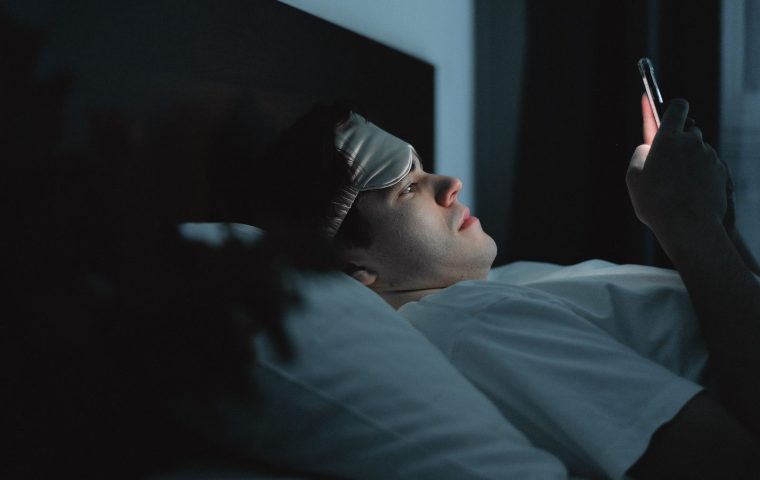
Imagine two versions of the same person running the same program. Both lift three times a week, both eat reasonably well, both do the same conditioning work. The only difference is sleep. One averages around seven to nine hours a night. The other averages closer to five or six because of late screens and early alarms.
Over a single week, you might not see much. Over a few months, the better-rested version tends to recover faster between sessions, get sick less often, and hold better form because they are not training fatigued. The under-slept version is more likely to plateau, pick up a nagging injury, or burn out and stop entirely. Same effort, very different results, and the variable was rest.
This is also why pairing your training with smart core work pays off more when you are recovered. Doing core exercises that build real stability demands focus and control, and both of those collapse quickly when you are running on too little sleep.
The myth that you can train your way around sleep
There is a stubborn belief in fitness culture that toughness means needing less rest, that the truly dedicated grind on four hours and a strong coffee. It sounds disciplined. It is mostly counterproductive.
You cannot fully out-supplement or out-train a chronic sleep deficit. Caffeine masks tiredness, it does not deliver the repair and hormonal work that deep sleep does. Pushing harder on top of poor recovery is how people dig themselves into overtraining, where performance actually drops the more they do.
I am not saying one rough night will ruin your progress. Bodies are resilient, and a single short night is easily absorbed. The problem is the pattern, week after week of cutting rest short and expecting the body to keep adapting anyway.
If your warm-up sets feel heavier than usual, your motivation tanks, and your resting heart rate creeps up over several days, treat it as a recovery signal. More often than not, the fix is an earlier bedtime, not a harder session.
How much sleep, and does timing matter
Most adults do well on roughly seven to nine hours, and active people often sit at the higher end because they are asking more of their bodies. Some athletes add a short daytime nap on heavy training days, which can help when night sleep is genuinely limited.
Consistency matters as much as the total. Going to bed and waking at similar times keeps your internal clock steady, which tends to improve sleep quality more than chasing a perfect number on one night. The depth of your sleep counts too, and that is partly why looking at what your dream patterns suggest about your rest can be a useful, if rough, signal that you are cycling through the stages properly.
| Recovery factor | Well-rested athlete | Chronically short on sleep |
|---|---|---|
| Muscle repair | Growth hormone release supports rebuilding | Repair window cut short, slower adaptation |
| Reaction time | Sharp and consistent | Noticeably slower, more errors |
| Perceived effort | Workouts feel manageable | Same session feels much harder |
| Injury and illness risk | Lower, better form maintained | Higher, immune system strained |
What this looks like for people with messy schedules
Not everyone gets to keep athlete hours. Plenty of readers train around shift work, young kids, or long commutes, and a tidy nine-to-five bedtime is not on offer. The goal then is not perfection, it is protecting whatever sleep you can get.
That might mean blackout curtains for daytime sleep, a consistent wind-down even if the clock time shifts, or scheduling your hardest workouts on days when you actually slept. If your hours are genuinely unpredictable, the strategies in this survival plan for sleeping well on shift work are worth more to your training than any new supplement.
The athletes who impressed me were not the ones with flawless lives. They were the ones who treated sleep as a non-negotiable input, planned around it, and stopped feeling guilty for prioritizing rest.
Can a nap really replace lost night sleep?
A short nap can take the edge off and may help reaction time on a tough day, but it does not fully replicate a complete night, especially the deeper repair stages. Treat naps as a useful supplement, not a swap for consistent night sleep.
Is it worth working out if I barely slept?
A single rough night is fine. You might just lower the intensity or swap a heavy session for light movement. The thing to avoid is repeatedly stacking hard training on top of chronic sleep loss, which raises your injury and burnout risk.
Do I need a sleep tracker to benefit from this?
No. A tracker can be motivating, but how you feel and perform tells you most of what you need. Steady bedtimes, enough hours, and waking up reasonably refreshed are the signals that matter most.
I came away from that recovery session thinking differently about my own rest, and not just for the gym. Sleep is doing quiet, important work whether you are an athlete or not. If you train, the simplest upgrade available to you might not be a new program or a fancy gadget, but an earlier, more consistent bedtime. Give your body the chance to finish the job you started.