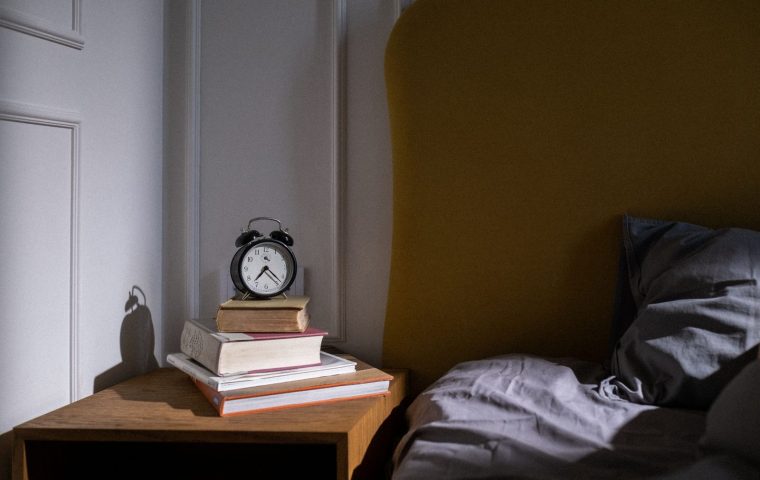


A client once told me he could deadlift twice his bodyweight but could not, for the life of him, fall asleep before 1 a.m. He had a great training program and a terrible bedtime. Most people I coach treat sleep as the thing that happens after the real work is finished, although the truth is that sleep is the real work.
Here is the part that frustrates me about most sleep advice: it gets dressed up in mystery, gadgets, and pricey sprays, when the basics are not glamorous at all. They are simply habits, repeated patiently, the same way good form is just one clean rep done over and over. I call the whole bundle sleep hygiene, and if your nights are restless, this is where I would start you.
You will not need to overhaul your life this week, so relax. Pick a couple of steps, run them for ten days, and then add a few more, because that slow approach is how habits actually stick.
Anchor your wake time first
Most people obsess over bedtime, while I start clients with the opposite end of the day: the moment you get out of bed. Your body runs on an internal clock, and the strongest signal you can send it is a steady wake time, weekends included. If you understand how your circadian rhythm controls your daily energy, this logic clicks into place fast, because the clock craves regularity more than it craves any one perfect bedtime.
Pick a wake time you can hold seven days a week, even after a rough night. Sleeping in to "catch up" feels great for an hour and then quietly wrecks the next evening, since it shoves your whole clock later. Hold the anchor instead, and your bedtime tends to settle into place on its own.
Get morning light into your eyes
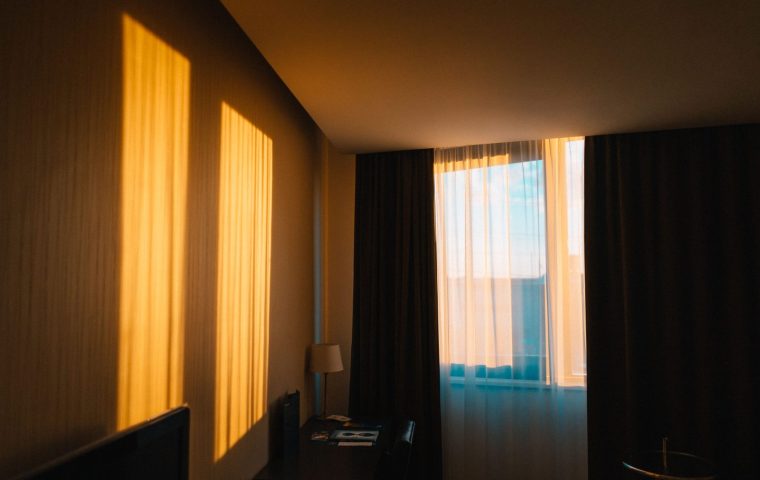
Within an hour of waking, get outside or sit near a bright window for ten to fifteen minutes. Morning light is the cue that tells your clock the day has started, which in turn sets the timer for when you will feel sleepy that night. No fancy lamp is required, although a bright therapy lamp does help in dark winters.
I am not asking you to meditate at sunrise or perform any ritual. Drink your coffee on the step, walk the dog, or eat breakfast by the window, because the point is the exposure rather than the ceremony.
Pair morning light with movement whenever you can. A short walk does double duty, since it wakes your internal clock while it chips away at your daily activity target. That is two useful habits handled inside a single ten-minute block.
Set a caffeine curfew
Caffeine has a far longer tail than most people expect. Half of that 2 p.m. coffee can still be in your system around bedtime, quietly blunting your sleep quality even when you fall asleep without any obvious trouble. For most people, cutting off caffeine eight to ten hours before bed is a sensible starting line.
If you are a heavy afternoon drinker, do not quit cold, because sudden withdrawal hands you a headache and a convenient reason to give up. Step it down gradually instead: swap the 4 p.m. cup for half-caf, then for tea, and eventually for water. That slower transition simply works better and lasts.
Build a wind-down routine
You cannot sprint from a glowing laptop straight into deep sleep, because your nervous system needs a gradual ramp downward. Give yourself a buffer of 30 to 45 minutes during which the lights come down and the stimulation steadily drops off.
Screens are the obvious sticking point here. The blue light matters a little, although the content matters considerably more, since a tense work email or an endless feed keeps your brain switched on far longer than the screen brightness ever could. Try reading a paper book, stretching, taking a warm shower, or simply dimming the lamps and letting the day end quietly.
Your wind-down does not need to be elaborate to work. Three repeatable cues, done in the same order each night, are enough to tell your body that sleep is coming. Consistency reliably beats complexity every time.
Make your bedroom boringly good at one job
A bedroom should be cool, dark, and quiet, and that combination is honestly most of the job. Aim for a cooler room than feels natural at first, because your core temperature needs to drop slightly before sleep can truly deepen. Block stray light with curtains or a simple eye mask, and mask street noise with a fan or white noise whenever you need it.
One rule I push hard is this: keep the bed reserved for sleep and intimacy only. No working, no scrolling, and no doom-watching the news under the covers, because you are training your brain to associate the bed with rest, and that association becomes surprisingly powerful once you protect it.
Handle the nap and the late workout
Naps are not the enemy, although a sloppy nap can quietly steal from your night. If you do nap, keep it short, around twenty minutes, and early in the afternoon. There is a real craft to this, so it is worth learning how to nap without wrecking your night's sleep rather than crashing for ninety minutes at 6 p.m. and then wondering why you are wired at midnight.
Exercise is one of the best sleep aids going, full stop, and as a coach I will always vote for it. The one caveat is timing, because a hard, sweaty session right before bed leaves some people too revved up to settle. If that describes you, push your intense training earlier, since a beginner strength training routine done in the late afternoon can leave you pleasantly tired by night, which is the outcome we want.
Stop forcing it
Here is the move most people get badly wrong. You lie there, watch the clock, and do the panicked math on how many hours you have left, which floods your body with the exact stress chemistry that keeps you awake. Trying harder genuinely backfires.
If you are still awake after roughly twenty minutes, get up and leave the bedroom, keeping the lights low while you do something dull like reading a few pages, and return only once you actually feel drowsy. It feels completely counterproductive, yet it is the opposite, because you are protecting that bed-equals-sleep association instead of teaching your brain that bed equals frustration.
This is general guidance for ordinary restless nights, and it is not a diagnosis. If you snore heavily, gasp awake, or struggle with poor sleep for weeks despite solid habits, please talk to a qualified healthcare professional, because ongoing insomnia and conditions like sleep apnea deserve a proper assessment rather than just better routines.
How to put it together without burning out
Do not run all seven steps at once, because that is the same mistake as a new lifter loading every machine on day one, sore everywhere yet motivated nowhere. Start with the wake-time anchor and morning light, since those two carry the most weight for the least effort, and give them a week and a half before adding anything.
Then layer in the caffeine curfew and the wind-down, and only after that should you tune the bedroom: small, stacked, and repeatable. The whole point of sleep hygiene is that it becomes automatic, something you do without deciding to, the way a seasoned lifter sets up under the bar without thinking. Track how you feel rather than a perfect score on an app, and adjust from there.
How long before I notice a difference?
Give it about two weeks of consistency, because your internal clock shifts gradually rather than overnight, so a few good days followed by a long sleep-in will quietly reset your progress. Steady beats perfect here.
Is it really bad to look at my phone in bed?
It is less about the light and more about the engagement, since a stressful message or a gripping feed keeps your brain active when it should be powering down. If you must use a screen, keep it dull and brief.
What if my schedule makes a fixed wake time impossible?
Just do the best version you can manage. Even keeping your wake time within a one-hour window most days helps a lot, and protecting your morning light and wind-down matters even more when your hours are irregular.
Better sleep is not a secret you have to buy, because it is really just a handful of plain habits performed consistently, the same way physical strength gets built. Start with one or two steps tonight, stay patient with the rest, and treat your nights with the same respect you already give your workouts. Your mornings will thank you, and so will everything you do between them.