
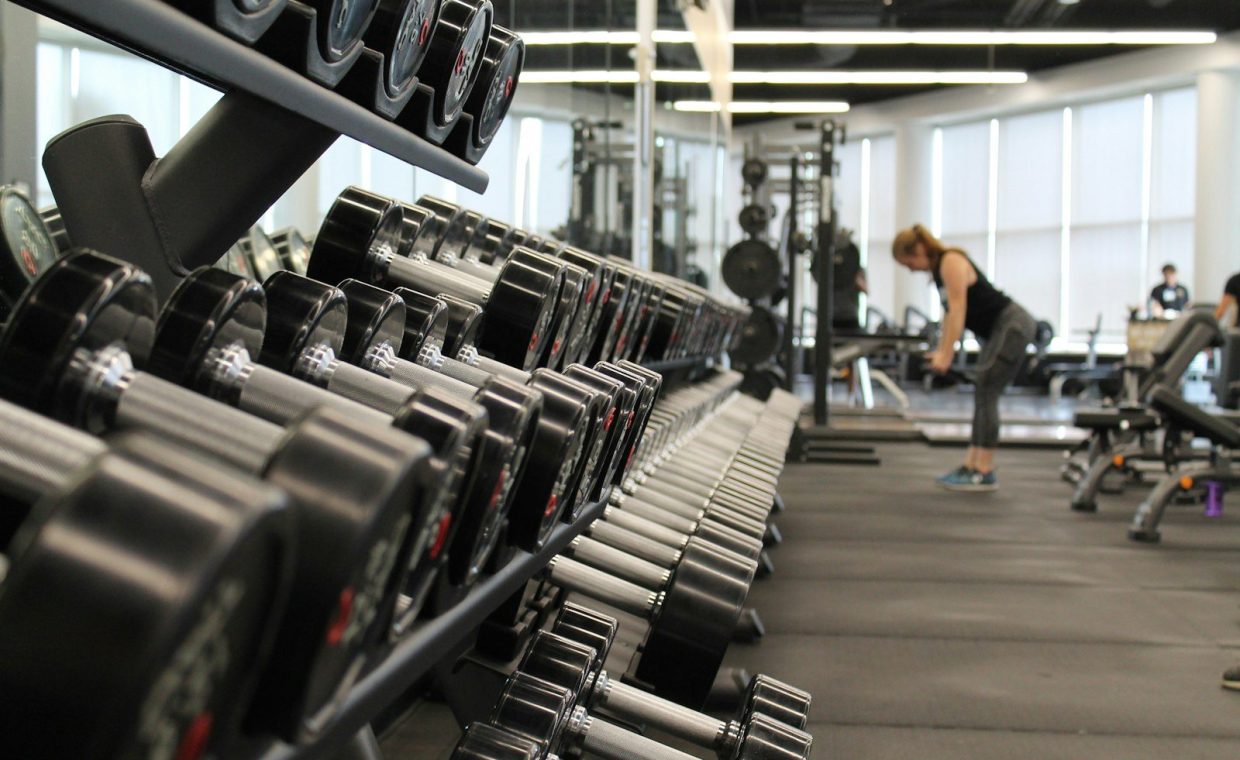
The first time someone hands you a pair of dumbbells, the whole gym can feel like a test you forgot to study for. Mirrors everywhere, people grunting, machines with diagrams written in what may as well be another language. I have coached hundreds of beginners, and almost every one walked in convinced they were the only person who did not know what they were doing.
Here is the truth I tell all of them: the person doing two sets of squats with light weights and clean form is doing strength training correctly. You do not need to lift heavy, look a certain way, or own special clothes. You need a handful of basic movements, a little patience, and a plan you can actually repeat.
What follows is the exact path I give a nervous first-timer, step by step, so you can start building strength without the fear that usually comes attached to it.
Get clear on what strength training actually is
Strength training simply means asking your muscles to work against resistance, then letting them adapt and get stronger. That resistance can be dumbbells, bands, a loaded backpack, or just your own bodyweight. None of it requires a fancy gym membership.
The benefits go well beyond bigger muscles. Regular resistance work supports bone density, helps your body manage blood sugar, protects your joints, and makes everyday tasks like carrying groceries or climbing stairs feel easier. For older adults especially, keeping muscle is a strong predictor of staying independent.
This is general guidance, not personalized medical advice. If you have a heart condition, a recent injury, are pregnant, or have been inactive for a long time, check with a qualified healthcare professional before starting a new program.
Master the movement patterns, not the machines
Beginners often ask which machine to use first. My honest answer is to forget the machines and learn the patterns your body already uses every day. There are roughly six, and almost every useful exercise is a version of one.
- Squat: sitting down and standing up, like lowering into a chair.
- Hinge: bending at the hips to pick something up, keeping a flat back.
- Push: pressing something away, like a push-up or overhead press.
- Pull: drawing something toward you, like a row.
- Carry: holding weight and walking, like shopping bags.
- Core brace: keeping your midsection stable, like a plank.
If you can do a controlled squat, hinge, push, pull, carry, and brace, you have covered the entire body. Everything else is a variation, and I would much rather see a beginner own these six than memorize twenty machine names.
Pick a simple starting routine
You do not need a complicated split. Two or three full-body sessions a week, with a rest day between them, is plenty for a beginner and often beats a scattered, ambitious plan you abandon by week three.
Here is a sample first workout for home or the gym. Aim for 2 sets of 8 to 12 repetitions per exercise, resting about a minute between sets.
- Goblet squat (hold one dumbbell at your chest)
- Dumbbell or band row
- Incline push-up (hands on a bench or counter)
- Dumbbell hip hinge or glute bridge
- Suitcase carry (walk holding a weight in one hand)
- Plank, held for 15 to 30 seconds
The whole thing takes around 30 minutes. If that feels like a lot, start with one set of each. Showing up consistently beats a perfect program you do once.
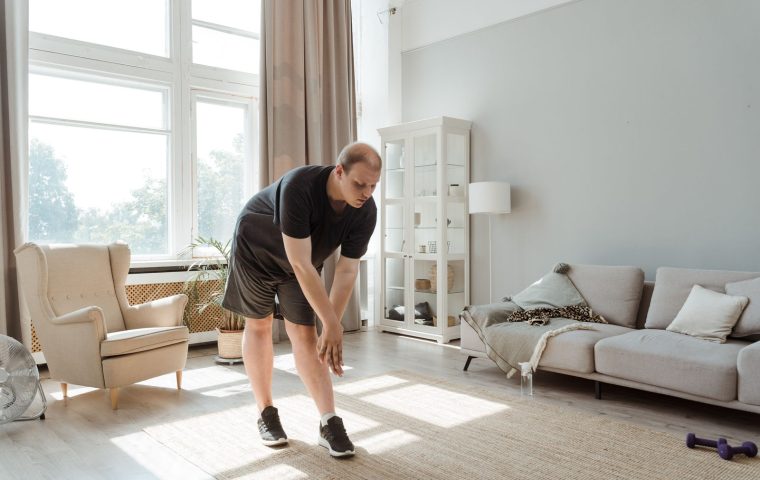
Spend 5 to 10 minutes raising your heart rate and loosening your joints before you lift. A short walk plus a few easy bodyweight squats and arm circles works well. Pairing strength days with a short daily mobility routine keeps your hips, shoulders, and ankles moving freely so the lifts feel smoother.
Learn to judge effort without fear
One of the biggest worries I hear is, "How do I know if the weight is too heavy?" A useful tool is the idea of reps in reserve. By the end of a set, you want to feel like you could have done two or three more reps with good form, but not many more.
If you finish feeling like you had ten reps left, the weight is too light. If your form falls apart, it is too heavy. That honest middle zone is where strength is built. There is no prize for ego lifting, and bad reps are how people get hurt.
Progress comes from gradually doing a little more over time, an approach often called progressive overload. Add a rep here, a small amount of weight there, every week or two. Slow and steady wins this one.
Protect yourself from the most common beginner injuries
Most early injuries are not dramatic. They come from rushing, skipping the warm-up, or chasing weight before earning the form. Good technique is not about looking pretty, it is the cheapest insurance you can buy. Keep these habits in mind from your very first session:
- Move slowly and with control, especially on the lowering part of each rep.
- Keep your spine in a neutral position during squats and hinges, not rounded.
- Breathe out as you exert, and never hold your breath through a heavy rep.
- Stop a set the moment your form breaks down rather than grinding out ugly reps.
Feeling tender for a day or two after a workout is expected when you are new. A sudden, sharp, or joint-centered pain is a different signal. If something hurts in a way that feels wrong, stop, and see a professional if it does not settle.
Treat recovery and sleep as part of the plan
Here is the part that surprises people: you do not get stronger during the workout. You get stronger while you recover from it. The session is the stimulus, and rest, food, and sleep are where the adaptation happens.
So rest days are not wasted days, they are working days for your muscles. Gentle movement helps, and a relaxed walk is a genuinely powerful recovery tool that keeps you active without taxing the muscles you just trained.
Sleep matters just as much, since most muscle repair happens overnight. A beginner who sleeps well will outpace one who trains hard but rests poorly. If your nights are rough, the basics in this beginner guide to better sleep hygiene may do more for your progress than any extra set could.
Build the habit before you chase the numbers
The strongest predictor of results is not your starting weight or your genetics. It is whether you are still training in six months. In the beginning, your real goal is consistency, not intensity.
Make it easy to show up. Lay out your shoes the night before, keep sessions short, and tie the workout to something you already do. I had one client who trained for 20 minutes after dropping her kids at school, three days a week. Nothing fancy, but two years on she is squatting more than she ever imagined.
Track your sessions in a notebook or your phone. Watching the weights and reps slowly climb is its own quiet motivation, and proof that the boring, repeatable work is paying off.
Learn the six movement patterns, train full body two or three times a week, keep two or three reps in reserve, warm up every time, respect recovery, and value showing up over lifting heavy. Do that and strength follows.
How long until I see results from strength training?
Many beginners feel stronger and more coordinated within two to four weeks, often before any visible changes. Early gains come largely from your nervous system learning the movements. Visible muscle usually takes a couple of months of consistent training.
Do I need to lift heavy weights to benefit?
No. Lighter weights taken close to fatigue, with good form, build strength effectively for beginners. What matters most is challenging the muscle and gradually doing a little more over time, not the number on the dumbbell.
Will strength training make me bulky?
For the vast majority of beginners, no. Building large amounts of muscle takes years of dedicated training and specific eating. What most people get instead is a leaner, stronger, more capable body.
Strength training is far less intimidating once you strip it back to a few honest basics: simple movements, manageable effort, and a routine you can keep. Be patient with yourself, celebrate showing up, and let the weights creep up over time. Your future self, carrying the groceries up three flights without a second thought, will be glad you started today.