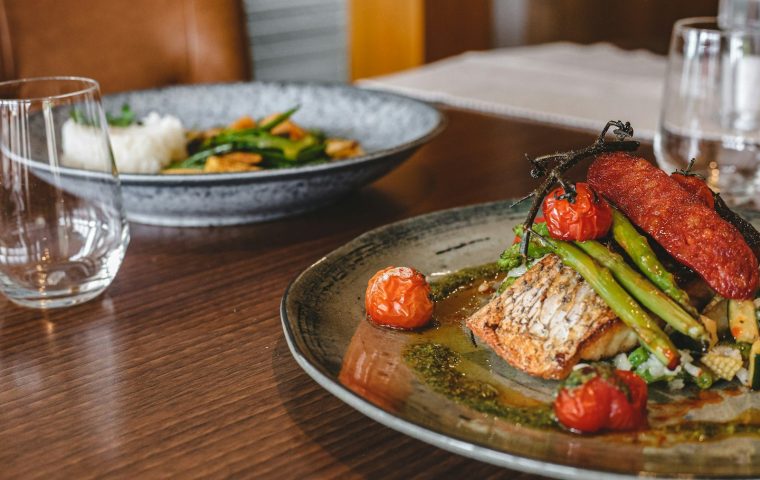

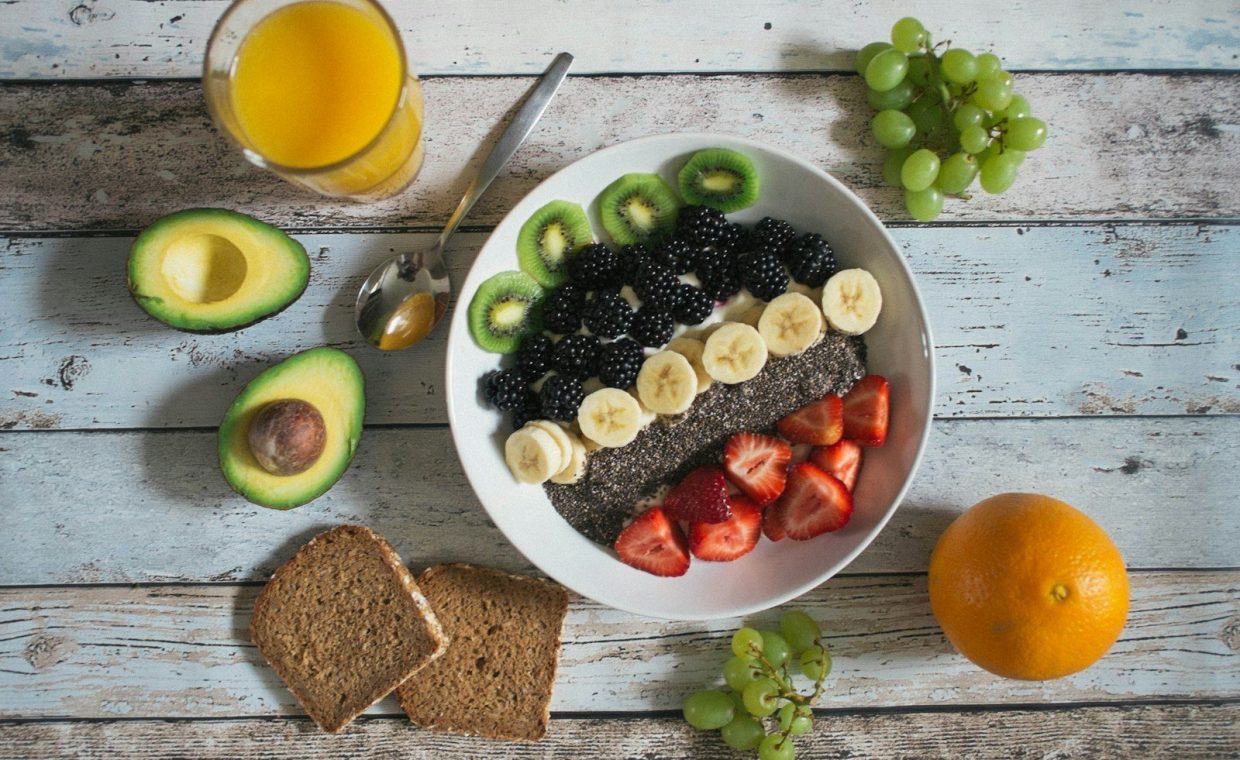
A patient told me recently that she had eaten her first breakfast in four years. She had spent those years skipping it, drinking black coffee until noon, then wondering why her afternoons felt like wading through mud. She is not unusual. Half the people I talk to are quietly convinced that the timing of their food matters as much as the food itself.
Intermittent fasting has become the eating pattern everyone has an opinion about. Some swear it transformed their energy and waistline. Others tried it, felt awful, and went back to three meals a day feeling like they had failed at something. Neither group is wrong, which is exactly the point.
So let me walk you through both patterns the way I would in an appointment. Not as a trend to chase or avoid, but as two reasonable ways to feed yourself, each with a different set of trade-offs.
What intermittent fasting actually is
Intermittent fasting is not a diet in the usual sense. It says little about what you eat and a lot about when. The most common version is time-restricted eating, where you fit all your food into a window of, say, 8 to 10 hours and stop eating in the evening. Other versions involve eating very little on a couple of non-consecutive days each week.
The appeal is simple. By compressing your eating window, many people naturally eat a bit less without counting a single calorie. There is also some interesting research on how a longer overnight fast may give your digestion and blood sugar a steadier rhythm. I want to be honest, though: a lot of the dramatic claims come from animal studies or short human trials, and the long-term human picture is still being written.
What "regular meals" really means
Regular meals, in the way most of us grew up, means breakfast, lunch, and dinner, perhaps with a snack or two. Food is spread across the day, which keeps energy and blood sugar relatively even and gives you steady chances to hit your protein, fiber, and micronutrient targets.
This pattern rarely makes headlines because it is unremarkable, and that is its quiet strength. It does not ask you to override hunger or watch the clock. For people with higher energy needs, demanding training schedules, or a history of disordered eating, spreading food out is often the safer, more sustainable choice. Steady meals also pair naturally with habits like cutting back on added sugar in a way that actually sticks, since you are choosing thoughtfully at each sitting rather than eating fast in a rush.
How the two patterns compare side by side
It helps to see them next to each other. Remember that almost every row depends on the individual, so read this as a starting map, not a verdict.
| Factor | Intermittent fasting | Regular meals |
|---|---|---|
| Structure | Eat within a set window, fast the rest | Food spread evenly across the day |
| Calorie control | Often automatic, the window limits grazing | Relies more on portion awareness |
| Energy steadiness | Can dip during the fast, especially at first | Generally even throughout the day |
| Social fit | Tricky if your social life centers on breakfast or late dinners | Flexible for most schedules and gatherings |
| Best suited to | Late-morning starters, disciplined planners | High activity levels, frequent hunger, recovery from restriction |
| Main watch-out | Overeating in the window, low energy, light-headedness | Mindless snacking, oversized portions |
The research, without the hype
When you compare studies fairly, something quietly reassuring emerges. For weight and most metabolic markers, intermittent fasting and steady calorie-matched meals tend to produce roughly similar results over time. In other words, the fasting magic is mostly that some people find it an easier way to eat a little less, not that the clock itself melts fat.
There are nuances worth knowing. A few trials suggest fasting may help with blood sugar control in certain people, while others raise reasonable questions about muscle loss if protein is neglected. The honest summary is that both patterns can be healthy, and the one that helps you eat well consistently is the one that wins for you.
This is general information, not personal medical advice. If you are pregnant, take medication for blood sugar or blood pressure, have a history of an eating disorder, or manage a chronic condition, please talk with a qualified healthcare professional before changing your eating pattern. Fasting is not right for everyone, and that is completely okay.
What does not change either way
Here is the part I wish got more attention than the timing debate. Whatever window you eat in, food quality still does the heavy lifting. Plenty of vegetables, adequate protein, whole grains, and minimally processed foods matter far more than whether your last bite was at 6 p.m. or 8 p.m.
The same goes for your digestive system. A varied, fiber-rich diet feeds the microbes that keep things running smoothly, which is why I often point people toward the fundamentals of what genuinely supports gut health versus what is just marketing before they fuss over meal timing. Compressing your eating window does nothing useful if the window is full of ultra-processed snacks.
Start by simply pushing breakfast an hour later and finishing dinner a little earlier, so your overnight fast stretches to around 12 hours. See how your energy, sleep, and mood respond for a week or two before narrowing the window further. If you feel shaky, irritable, or preoccupied with food, that is your body telling you this pattern is not a fit, and there is no prize for forcing it.
Which pattern suits you
Choose intermittent fasting if you genuinely are not hungry in the morning, you like clear structure, and an eating window helps you stop the late-night grazing that quietly adds up. Many of my patients who skip breakfast naturally find this just formalizes what they already do.
Choose regular meals if you wake up hungry, you train hard or have a physical job, you take medication that needs food, or restriction has ever tipped you toward an unhealthy relationship with eating. Steady meals are also the kinder choice while life is already stressful, since you do not need the extra discipline of watching a clock.
And here is my actual clinical bias, for what it is worth: the best eating pattern is the boring one you can keep up for years. I have seen people thrive on both. I have also seen people abandon a "perfect" plan within a month because it fought their real life. Your schedule, your hunger signals, and your history matter more than any trend. The same realism applies to other wellness habits, including the way I nudge sun lovers toward a practical approach to sun safety rather than an all-or-nothing rule. Sustainable beats strict, almost every time.
Will skipping breakfast slow my metabolism?
For most healthy adults, no. The idea that one missed meal meaningfully slows metabolism is overstated. What matters more is your total food and protein across the day. If skipping breakfast leaves you ravenous and overeating later, then it is working against you, so judge it by how you actually feel and eat.
Can I exercise while fasting?
Many people handle light to moderate exercise fasted without trouble, especially walking or easy cardio. For hard or long sessions, you may perform and recover better with some food beforehand. Try both, stay hydrated, and stop if you feel dizzy or unusually weak.
Is intermittent fasting safe long term?
For many healthy adults it appears reasonably safe when the eating window still delivers balanced, adequate nutrition. The long-term human research is still developing, though, so it is sensible to check in with a healthcare professional, especially if you have any underlying condition or take regular medication.
Both of these patterns can absolutely support a healthy life, so try not to treat the choice as a test you can fail. Pay attention to your energy, your hunger, and how you feel a few hours after eating, and let that feedback guide you more than any headline. If something feels off or you have a specific health concern, a conversation with your own clinician is always worth more than a blog. Eat in a way that fits the life you actually live, and let the rest of the noise go.