

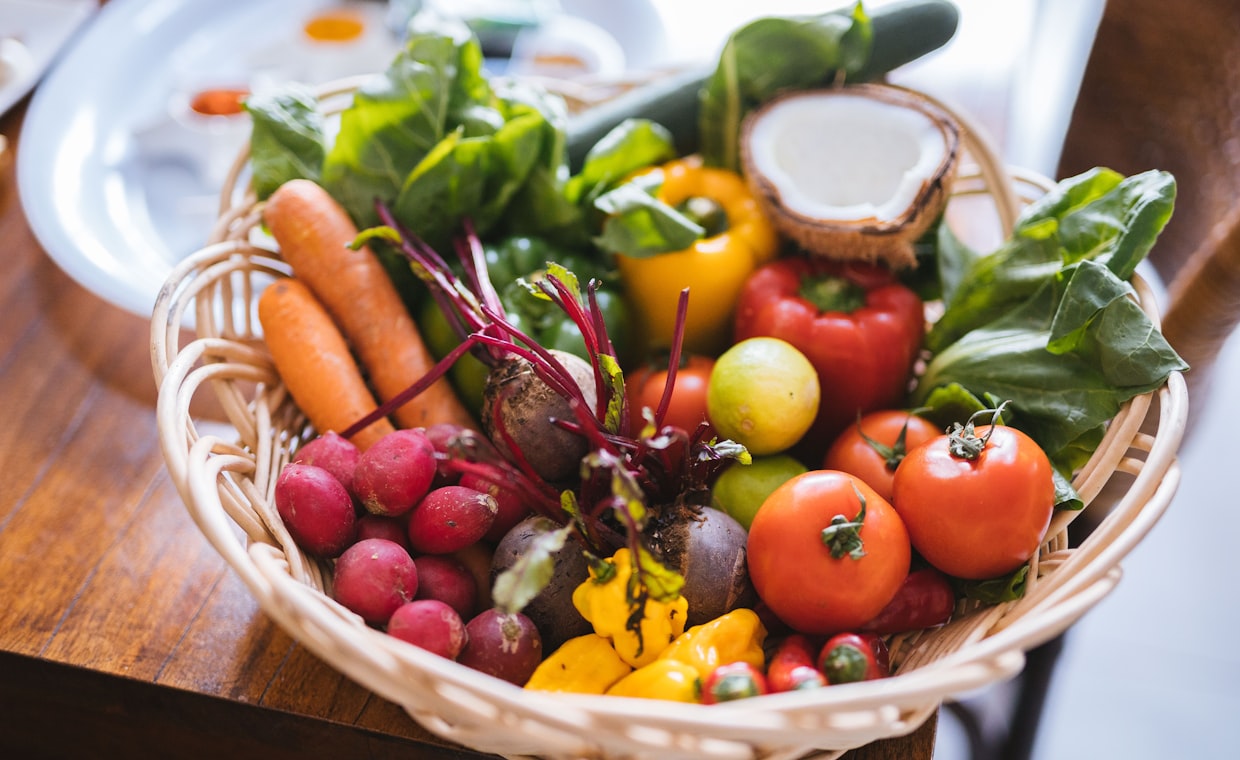
I once tracked a full week of groceries for a family of four and came in under 90 dollars. Not because I found some secret coupon stack, but because the cart was mostly beans, oats, eggs, frozen vegetables, and a big bag of rice. Nobody went hungry, and nobody ate cardboard.
The idea that healthy food has to be expensive is one of those things everyone repeats until it feels like a law of physics. It isn't. A lot of what gets marketed as "wellness" is expensive precisely because it's marketed, not because it's nourishing.
What actually costs money is convenience, packaging, and novelty. Strip those away and you're left with real food that has fed people cheaply for centuries.
Start With the Cheapest Foods That Do the Most Work
Some foods punch far above their price. Dried beans, lentils, oats, brown rice, eggs, frozen produce, canned fish, and in-season vegetables give you protein, fiber, and micronutrients for pennies per serving.
Lentils are the quiet hero here. A one-pound bag costs about the same as a single fast-food side and stretches across four or five meals. They cook in 20 minutes, no soaking, and they take on whatever flavor you throw at them.
Eggs remain one of the best protein deals in the store even when prices bounce around. Frozen vegetables are often cheaper than fresh, last for weeks, and skip the guilt of watching a bag of spinach dissolve in your fridge.
Plan Meals So Nothing Rots in the Drawer
The average household throws away a meaningful chunk of the food it buys, and that waste is pure money in the trash. A loose plan fixes most of it.
You don't need a rigid menu. Just decide roughly what four or five dinners will be before you shop, and buy ingredients that overlap. A rotisserie chicken becomes tacos on Monday and soup on Wednesday. Roasted vegetables from Sunday get folded into an omelet later in the week.
Batch cooking is where the real savings live. Setting aside an hour to prep a few components pays off all week, and it's the single habit that helps most with weekly meal prep for busy schedules. Cooked grains, a pot of beans, and a couple of chopped vegetables give you mix-and-match meals with almost no daily effort.
Lean on Plants to Cut the Grocery Bill
Meat is usually the most expensive thing in the cart. You don't have to give it up, but shifting even a few meals a week toward plants saves real money and does your heart a favor.
Think of it as stretching rather than sacrificing. Half the ground beef, half lentils, in a chili and most people can't tell. Beans in the taco, tofu in the stir-fry, a bean-based soup on the nights you're tired.
If you're not sure where to start, a short list of plant based eating practical swaps takes the guesswork out. The goal isn't purity. It's a cheaper, more varied plate that happens to be good for you.
A pound of dried beans yields roughly 6 cups cooked and often costs less than a third of the equivalent protein from meat. That single swap, done twice a week, adds up to real grocery savings over a month.
Shop in a Way That Protects Your Wallet
How you shop matters as much as what you buy. A few small habits keep the total down without much thought.
Buy staples in bulk when the per-unit price drops, but only for things you'll actually use. Check the unit price on the shelf tag, not the sticker price, because the bigger package isn't always cheaper. Shop the store brand, which is usually the same food in plainer packaging.
Never shop hungry, because a rumbling stomach makes terrible financial decisions. And buy produce in season, when it's cheapest and tastes best. Frozen and canned versions are fine the rest of the year and lose almost nothing nutritionally.
| Protein source | Rough cost per serving | Notes |
|---|---|---|
| Dried lentils | Very low | No soaking, fast, high fiber |
| Eggs | Low | Versatile, complete protein |
| Canned tuna or sardines | Low to moderate | Shelf-stable, omega-3s |
| Chicken thighs | Moderate | Cheaper and juicier than breast |
| Tofu | Low to moderate | Takes any flavor, long fridge life |
Move Your Body Without a Gym Membership
Fitness marketing wants you to believe health lives behind a monthly fee. It doesn't. The most effective thing most people can do costs nothing and requires no equipment.
Walking is genuinely underrated, and it's free, low-impact, and something you can do anywhere. A brisk 30 minutes most days improves mood, blood sugar, and heart health, and you can read more about why in this piece on walking as an underrated workout.
Bodyweight movements handle the rest. Squats, push-ups, lunges, and planks build strength in your living room. A single resistance band costs less than one class and covers dozens of exercises. Your body doesn't know or care whether the resistance came from a chrome machine or a used milk jug full of water.
Cook More, Even When You're Tired
Eating out is where budgets quietly bleed out. Even cheap takeout usually costs several times what the same meal would at home, and it's rarely better for you.
The trick isn't willpower, it's lowering the bar for what counts as cooking. Scrambled eggs with frozen spinach and toast is dinner. A can of beans dumped over rice with hot sauce is dinner. You don't need a recipe or a photogenic result.
Keep a few "emergency meals" that take under ten minutes and use only pantry staples. When you're exhausted at 7 p.m., that short list is what keeps you from reaching for the delivery app out of pure fatigue.
Protect Your Sleep and Stress, Because They're Free Too
Health isn't only what you buy. Sleep and stress quietly shape your appetite, your energy, and your cravings, and both are free to work on.
Poor sleep pushes people toward cheap, high-sugar foods the next day, which is bad for your body and your budget. A consistent bedtime and a dark, cool room cost nothing and pay you back in steadier energy and fewer impulse snacks.
Stress works the same way in a different outfit. A ten-minute walk, a few slow breaths, or a call with someone you like all help, and none require a subscription.
The short version: Build meals around cheap staples like beans, oats, eggs, and frozen vegetables. Plan loosely so nothing rots, lean on plants a few nights a week, and shop by unit price. Move for free by walking and using your own bodyweight. Guard your sleep and stress, because they cost nothing and change everything.
Is it really possible to eat healthy on a very tight budget?
Yes, and it's often cheaper than an unhealthy diet built on takeout and snacks. Beans, oats, eggs, rice, and frozen produce deliver strong nutrition for very little money. The main cost is a bit of planning and cooking time.
What's the single cheapest healthy protein?
Dried lentils and beans are hard to beat on price per serving, and they're loaded with fiber. Eggs are a close second for versatility and cost. Rotating these keeps meals interesting without raising your bill.
Do I need supplements to stay healthy on a budget?
Most people who eat a varied diet of whole foods don't need them. Supplements can matter for specific gaps or conditions, so talk to a doctor before spending money on them. Food first is almost always the cheaper and better bet.
None of this requires a lifestyle overhaul or a dramatic before-and-after. Pick two or three ideas from here, try them this week, and let the habits build slowly. Cheap, healthy living is less about discipline and more about setting things up so the easy choice is also the good one. And if you have a specific health condition or concern, loop in a doctor or dietitian who knows your situation.