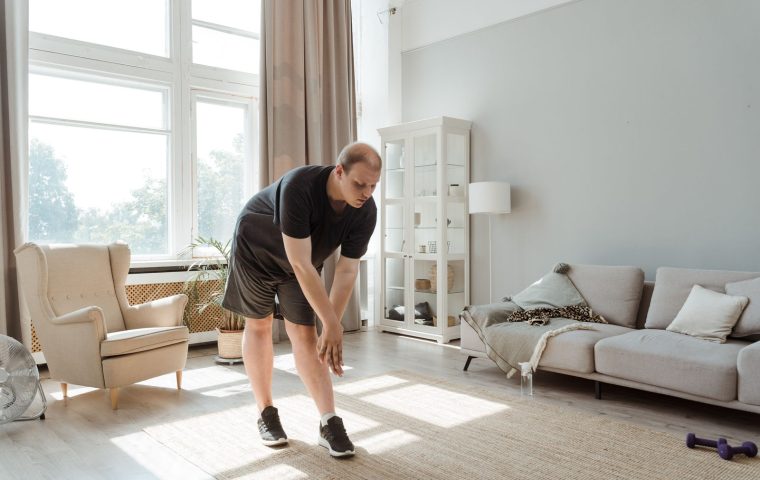


The first time I coached a true beginner, she made it about ninety seconds down the block before stopping, hands on her knees, convinced running just was not for her body. She was breathing like she had sprinted a 400, her shoulders were up by her ears, and she was staring at her shoes like they had betrayed her.
Here is what I told her, and what I tell everyone: you were not failing at running. You were running the way most beginners do, which is too fast, too tense, and with the unspoken belief that stopping means quitting. None of that is true.
Two months later she jogged a continuous mile without walking. Nothing about her lungs or legs was special. She just changed how she started, and that is what I want to walk you through here.
Start slower than feels reasonable
The single biggest mistake new runners make is pace. Your legs can move fast long before your heart and lungs are ready to keep up, so you take off at a speed that feels normal and gas out in two minutes.
The fix sounds almost silly. Run slow enough that you could hold a conversation. If you cannot say a full sentence out loud without gulping air, you are going too hard, full stop.
This is called conversational pace, and for most beginners it looks barely faster than a brisk walk. That is fine. You are building an engine, not proving anything to anyone on the sidewalk.
If you can speak a sentence comfortably while running, your effort is right. If you can only get out a word or two, slow down. If you could sing, speed up a touch. No watch or heart rate monitor required.
Use walk-run intervals from day one
You do not have to choose between walking and running. The smartest way in is to blend them on purpose, running for short bursts and walking to recover, then repeating.
This is not a beginner's crutch. Plenty of experienced runners use intervals to cover long distances. Alternating lets you accumulate real running minutes without your form falling apart or your shins screaming at you the next morning.
A simple starting structure looks like this. Warm up with five minutes of walking, then run one minute and walk two minutes, and repeat that cycle six to eight times. Finish with a few minutes of easy walking. That is a full session, and it counts.
| Week | Run interval | Walk interval | Rounds |
|---|---|---|---|
| 1-2 | 1 minute | 2 minutes | 6-8 |
| 3-4 | 2 minutes | 2 minutes | 6 |
| 5-6 | 3 minutes | 1-2 minutes | 5 |
| 7-8 | 5 minutes | 1 minute | 4 |
Progress only when the current week feels manageable, not brutal. If week three still leaves you wrecked, repeat it. There is no bonus for rushing, and there is a real penalty for it in the form of aches and burnout.
Fix the four things about your form
Running form is simpler than people think. For a beginner it comes down to a handful of cues that prevent most of the early pain and wasted energy.
Keep your posture tall and relaxed, ears roughly over your shoulders, and lean forward just slightly from the ankles, not the waist. You want to feel balanced, not folded over.
The cues that matter most
- Relax your hands and shoulders. Pretend you are holding a potato chip in each hand without crushing it. Tension in the upper body drains energy fast.
- Aim for quicker, lighter steps. Shorter strides that land under your body beat long, reaching strides that land out in front and jam the brakes.
- Breathe from your belly. Deep breaths into the stomach, not shallow chest panting. It steadies your rhythm.
- Look ahead, not down. Eyes on the path fifteen or twenty feet out keeps your neck and spine aligned.
You do not need to perfect all of this at once. Pick one cue per run and let the rest follow.
Build the base before you build the miles
If jogging even one minute leaves you doubled over, do not force it. Spend two or three weeks walking first, and walk with purpose, arms swinging, pace brisk enough that you feel it.
Walking is not the consolation prize here. It genuinely builds the aerobic base, tendon strength, and movement habit that running sits on top of, which is exactly why I keep pointing beginners toward this walking underrated workout before they lace up for intervals.
Once you can walk briskly for thirty minutes without struggling, you are ready to sprinkle in those run intervals. Your joints will thank you for the patience.
Do not skip the strength part
Running is a repetitive, single-plane movement, and doing only running leaves gaps that turn into injuries. Two short strength sessions a week protect your knees, hips, and ankles more than any fancy shoe will.
You do not need a gym. Bodyweight squats, glute bridges, calf raises, and planks cover most of what a new runner needs. Ten to fifteen minutes, twice a week, is plenty to start.
There is a long-running debate about whether cardio or lifting matters more, and the honest answer is that they do different jobs and you want both. If you are curious how the research shakes out, I dug into the cardio vs strength evidence so you can stop guessing and just train.
Make it a habit, not a heroic act
Motivation is a terrible foundation because it shows up late and leaves early. What carries you through month three is a habit that runs on autopilot, and habits are built with structure, not willpower.
Anchor your runs to something you already do. Right after your morning coffee, or straight after you drop the kids at school. Lay your clothes out the night before so the first decision is already made for you.
Three runs a week beats seven runs for two weeks and then nothing. Consistency compounds, and the beginners who last are the ones who treat it like brushing their teeth. I go deep on the mechanics of that in building exercise habit that sticks, and it is worth reading before you rely on feeling motivated.
Gear, without the marketing noise
You need far less than the industry wants you to buy. A pair of running shoes that fit your foot, replaced roughly every 300 to 500 miles, is the one purchase that genuinely matters.
Go to a shop that fits you properly. Skip the cushioning hype and price wars. Comfortable, correctly sized shoes prevent more problems than any premium model bought online in the wrong size.
Expect the first two weeks to feel awkward. Around week three, something shifts, the intervals stop feeling like emergencies, and you recover during the walk breaks faster than before. That is your aerobic base waking up.
Start at conversational pace. Use walk-run intervals and progress only when the week feels easy. Focus on relaxed posture and quick, light steps. Add two short strength sessions a week, anchor your runs to an existing habit, and respect real pain when it shows up.
How often should a beginner run each week?
Three days a week is the sweet spot for most beginners. It gives your body time to adapt and recover between sessions while still building consistency. Rest days are where the improvement actually happens.
Is it okay to walk during a run?
Absolutely, and you should. Planned walk-run intervals are a proven, smart way to build endurance without wrecking your form or joints. Walking during a run is a strategy, not a failure.
Why do my shins hurt when I start running?
Shin pain usually comes from doing too much too soon, overstriding, or worn-out shoes. Slow your progression, shorten your stride, and check your footwear. If sharp pain persists, see a doctor or physical therapist.
Every runner you have ever admired started exactly where you are, wheezing down a block and wondering if this was a mistake. It was not. Give it four honest weeks at conversational pace, let the walk breaks do their job, and be patient with the awkward part. Your future self, the one who runs without thinking twice about it, is already on the way.