

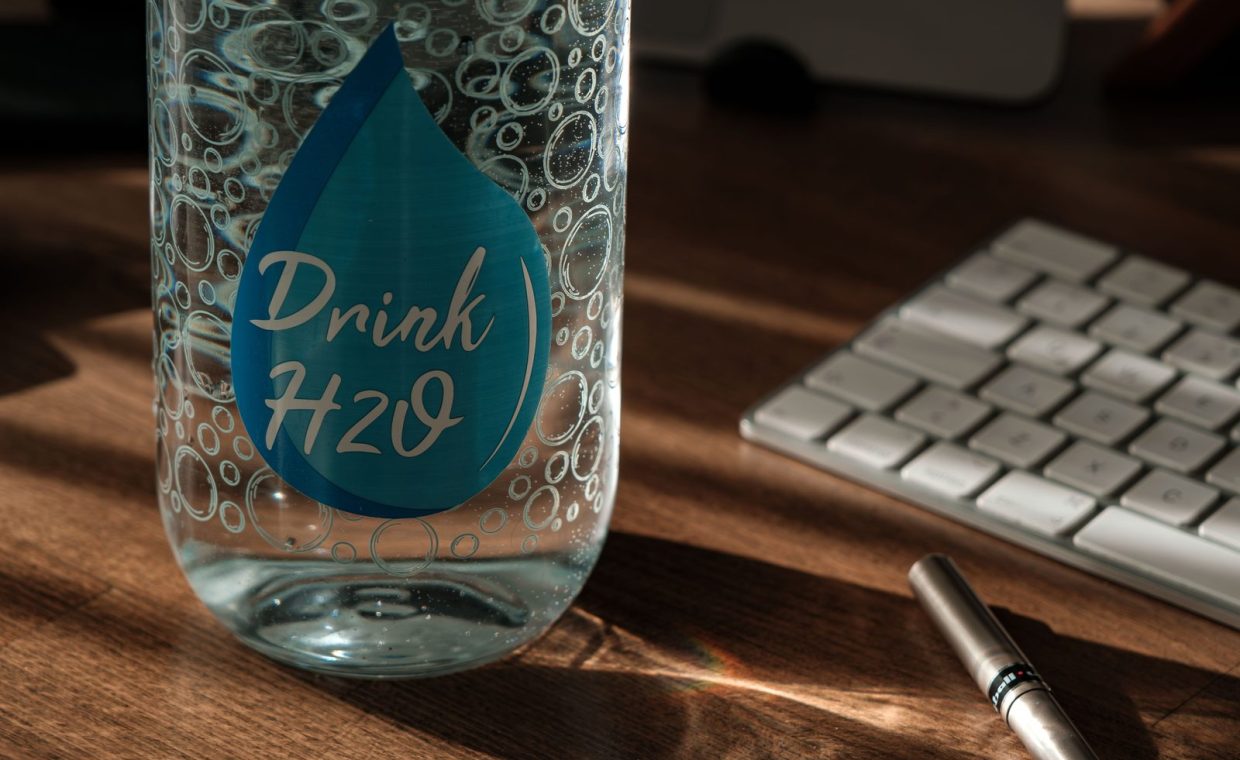
It is 3 p.m. and you realize the water bottle on your desk is exactly as full as it was at 9 a.m. Your head is a little foggy, you have reached for a third coffee, and you are pretty sure you are not dehydrated, just busy. I hear some version of this from clients almost every week.
Here is the reassuring part. You do not need to choke down eight perfect glasses or carry a gallon jug to meetings. As a dietitian, I care less about hitting a magic number and more about building cues that make drinking water nearly automatic, even on the days that get away from you.
This is a step-by-step approach you can start tomorrow. Each step is small on its own, and that is the point. Stacked together, they quietly add up to a steady habit.
Stop chasing the eight-glasses rule
The famous eight-glasses target is a tidy slogan, not a personalized prescription. Real fluid needs vary with your body size, the weather, how much you move, and even what you eat. Someone running errands in summer heat needs more than someone in an air-conditioned office in winter.
A more useful starting point: most adults do well aiming for roughly 6 to 8 cups of fluid a day, adjusting up when it is hot or you are active. Remember that food counts too. Fruit, soup, yogurt, and vegetables all contribute water, which is why your total does not have to come from a glass alone.
Instead of counting cups, glance at the color of your urine. Pale straw is the sweet spot. Consistently dark yellow usually means it is time to drink a bit more, while completely clear all day can mean you are overdoing it.
Anchor water to things you already do
Forgetful drinkers rarely forget because they do not care. They forget because nothing reminds them. The fix is to attach drinking to habits that already happen on autopilot.
Pick three reliable anchors and pair each with a few sips: a glass when you first wake up, one before each meal, and one every time you refill your coffee. These existing routines do the remembering for you, which is far more durable than relying on willpower at 3 p.m.
This piggyback trick is the same logic I lean on in my guide to building habits that stick: a new behavior sticks faster when it rides on an old one rather than competing for a fresh slot in your day.
Make the bottle impossible to ignore
Out of sight really is out of mind with hydration. If your bottle lives in a bag or a far cabinet, you will sip far less than if it sits in your line of vision.
Keep a filled bottle or glass within arm's reach of where you spend the most time, usually your desk. Choose one you genuinely like holding, with a size you can finish in a sitting so refilling becomes its own little cue. A clear bottle with volume markings helps some people pace themselves without obsessing.
Pre-fill two bottles in the morning and line them up. When the first is empty, the second is already waiting. Seeing both bottles also gives you a quick visual of how the day is going without any math.
Use the breaks you already take
Busy days are still full of small pauses: waiting for a file to load, the gap between calls, a stretch when your back complains. Those moments are perfect hydration windows because they cost you nothing extra.
I am a big fan of stacking habits during natural movement breaks. If you are already standing up to protect your spine, as I describe in how to sit at your desk without wrecking your back, finish the break with a few sips before you sit back down. Movement, posture, and water all get handled in one tiny ritual.
Flavor it so plain water is not the enemy
Some people simply find plain water boring, and white-knuckling through it never lasts. There is no rule that hydration has to be flavorless.
Add a squeeze of lemon or lime, a few cucumber slices, a couple of crushed berries, or a sprig of mint. Herbal teas, sparkling water, and even your morning coffee all count toward fluids, despite the old myth that caffeine dehydrates you (in normal amounts, it does not meaningfully). The goal is fluid you will actually reach for.
Sweetened sodas, energy drinks, and most bottled juices hydrate you while delivering a surprising load of added sugar. They are fine occasionally, but they are not a reliable everyday water replacement. Read the label and treat them as a treat, not a staple.
Turn your phone into a gentle nudge
I am usually the first to suggest putting the phone down, and I stand by that. Even so, a quiet hydration reminder is one screen use I will happily defend.
Set two or three alarms across the day, or use a simple hydration app, and let them prompt a few sips. If you are working on cutting screen time without feeling disconnected, this fits right in, because a single purposeful nudge is the opposite of mindless scrolling. Once the cue-based habits from the earlier steps take hold, you can usually retire the alarms.
Pair hydration with a calmer mindset
Hydration is not only mechanical. Slowing down for a moment to actually drink, rather than gulping on the move, makes the habit feel less like another chore.
I often suggest treating a water break as a micro-pause: put the bottle to your lips, take three slow breaths, then drink. It pairs neatly with the kind of two-minute reset I cover in starting a mindfulness practice in five minutes. You rehydrate and reset your attention at the same time, which is a quietly powerful combination on a frazzled day.
How to tell it is working
Give this two weeks before judging it. Most people notice steadier afternoon energy, fewer of those vague tension headaches, and a bit more focus once they stop running slightly dry by mid-afternoon.
You do not need to track every ounce forever. Once the cues are wired in, your body and that pale-straw signal will do most of the monitoring for you. Progress here looks like a habit you barely think about, not a spreadsheet.
Drop the rigid eight-glasses rule, anchor sips to routines you already do, keep a bottle in plain sight, use natural breaks, flavor your water, set a couple of gentle reminders, and pair drinking with a calm pause. Small cues, repeated daily, beat heroic effort every time.
Does coffee or tea really count toward my fluid intake?
Yes. In typical amounts, the fluid in coffee and tea contributes to your daily total, and the mild diuretic effect of caffeine does not cancel it out. Plain water is still a great default, but your morning cup is not working against you.
Can I drink too much water?
For most healthy people it is hard to overdo it, since your kidneys manage the balance well. Drinking very large volumes in a short window can occasionally cause problems, so spread fluids across the day rather than forcing huge amounts at once.
How do I know if I am actually dehydrated?
Common everyday signs include thirst, dark urine, dry mouth, headache, and afternoon fatigue. These are general signals, not a diagnosis. If you feel persistently unwell, dizzy, or have a medical condition that affects fluids, check with a qualified healthcare professional.
None of this needs to be perfect to work. Pick one or two steps that feel easy, let them become automatic, then add another. This is general guidance rather than personal medical advice, so if you have a health condition or take medication that affects your fluid balance, talk it through with your doctor or a registered dietitian. Mostly, though, staying hydrated on a busy day comes down to a few good cues and a bottle you do not forget.