
A few years ago I sat with a client who was certain she needed an overhaul. New supplements, a punishing workout plan, a fasting schedule she had read about at 1am. What struck me was not the ambition but the exhaustion. She wanted a long, vibrant life, and was trying to buy it in a single weekend.
The places where people most reliably reach their 90s in good health tell a quieter story. Researchers have spent decades studying pockets of unusual longevity, from Okinawa in Japan to Sardinia in Italy to Adventist communities in California. The headline finding is almost disappointing: there is no secret, just ordinary daily habits repeated for a lifetime.
I am a psychologist, not a cardiologist, so what fascinates me is less the biology and more the behavior. Why do these habits stick in some lives and crumble in others? Below are the patterns that keep surfacing in the research, with a note on how to actually live them rather than just admire them.
Movement woven into the day, not bolted on
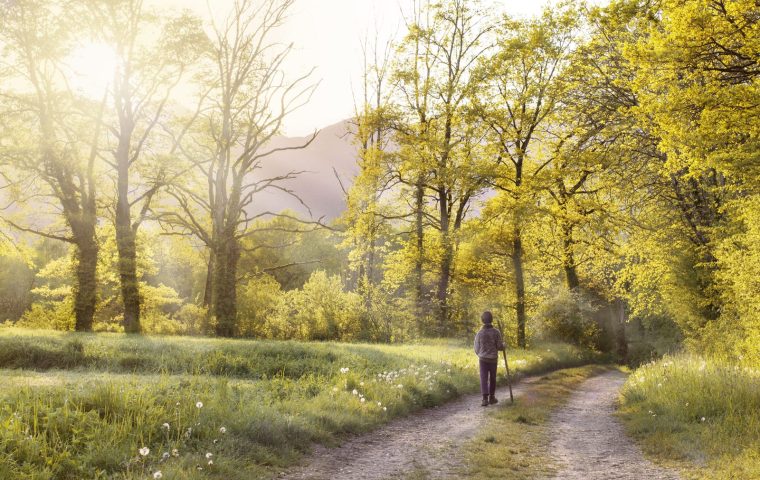
In long-lived communities, people rarely "exercise" in the way we mean it. They garden, walk to a neighbor's house, climb hills because that is where the village sits. Movement is the background texture of the day rather than a 45-minute appointment they dread and skip.
This matters psychologically. A habit that depends on motivation will fail on the days you feel flat, and everyone feels flat sometimes. A habit built into your environment keeps running without a decision.
The myth worth dropping is that movement only counts if it is intense and scheduled. Gentle, frequent activity across the day is strongly associated with healthier aging. Park farther away. Take a call standing. Treat the stairs as the default. None of this looks impressive, and that is rather the point.
Pick one daily errand you do by car or screen, and convert it into a short walk this week. Repeat it until it feels normal, then add a second. Small and repeatable beats heroic and occasional.
Eating mostly plants, mostly until satisfied
The diets in these regions differ in the details, but they rhyme. Lots of vegetables, beans, whole grains, and olive oil or other whole-food fats. Meat appears, but often as a flavor rather than the centerpiece. Portions are modest, and people frequently stop eating before they are uncomfortably full.
That last habit is more behavioral than nutritional. Okinawan elders have a phrase, often translated as eating until you are about 80 percent full, which is really a cue to slow down and notice your body before the second helping.
I want to be careful here, because food is where wellness advice turns shrill. You do not need to copy a regional diet or banish food groups. The realistic version is to shift your plate toward plants, watch portion size, and eat in a way you could sustain for thirty years rather than thirty days.
Strong social ties, treated as essential
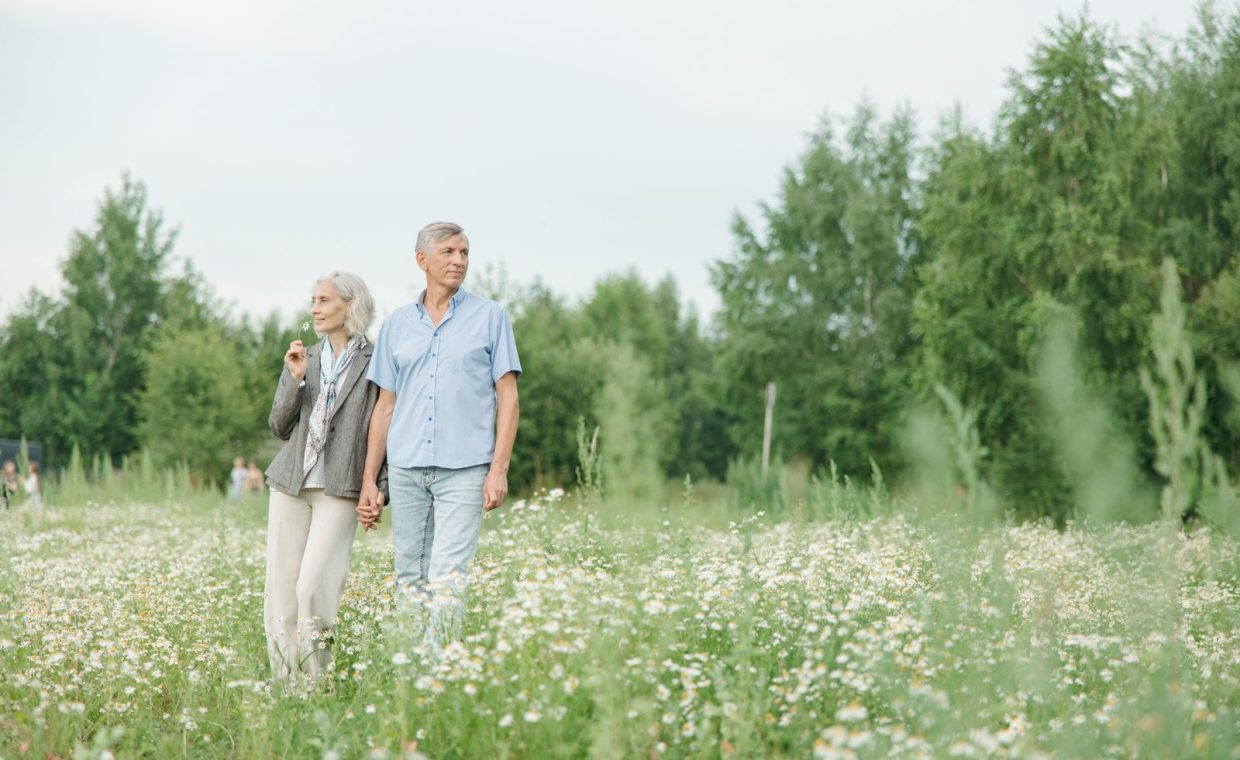
If I had to name the single most underrated longevity habit, it would be this one. In Sardinia and Okinawa, people stay deeply embedded in family and community across their whole lives, with built-in groups of friends who check on each other for decades.
The research on this is genuinely sobering. Chronic loneliness is associated with health risks that sit in the same conversation as smoking. We are wired to co-regulate, to settle our nervous systems near people we trust, and isolation keeps the stress response simmering.
In adulthood, connection takes deliberate effort once school and shared routines fall away. A standing weekly call. A walking friend. Saying yes when the couch is easier. If reaching out feels harder than it should, that is worth attention, and our piece on what is normal anxiety versus something more can help you tell ordinary social nerves from something that deserves support.
A real handle on everyday stress
Long-lived populations are not stress-free, a misconception I run into often. They face grief, money worries, and loss like everyone else. The difference is that their cultures bake in regular ways to downshift: a daily prayer, an afternoon nap, an evening gathering, a moment of quiet.
From a clinical view, the key is not eliminating stress but interrupting it before it becomes chronic. The body is built to spike and recover. Trouble arrives when the spike never fully resolves, year after year. Short, repeated recovery periods are what protect you over a lifetime.
This article is general information, not personal medical advice. If you are managing a health condition, persistent low mood, or significant stress, please talk with a qualified healthcare professional who knows your history.
Protecting sleep and quiet hours
Rest in these communities is unhurried. People rise and settle with the light, nap when needed, and they are not lying awake scrolling at midnight. Their evenings are low-stimulation almost by accident, because the modern firehose of screens never reached them at full force.
Most of us cannot recreate a pre-digital village, and I will not pretend otherwise. What we can borrow is the principle: a calmer wind-down and a more consistent sleep window. A modest, repeatable bedtime routine outperforms a perfect one you follow twice and abandon.
A large part of this is taming the evening screen. If you have ever told yourself "five more minutes" and surfaced an hour later, our guide to cutting back on daily screen time offers gentler tactics than cold-turkey bans, which rarely survive real life.
A sense of purpose that gets you out of bed
In Okinawa it is called ikigai; in Costa Rica, plan de vida. Both translate roughly to a reason to get up in the morning. It might be grandchildren, a craft, a garden, a role in the community. People with a clear sense of purpose tend to live longer.
I find this the most hopeful habit of all, because purpose is not reserved for the lucky. The behavioral trick is to make it concrete and recurring, a thing you actually do on Tuesday, not a lofty idea you hold in your head.
Move often, eat mostly plants and stop before stuffed, stay genuinely connected, recover from stress daily, protect sleep, and keep a reason to get up. Boring on paper, powerful over decades.
Why these habits stick where willpower fails
Here is the part that speaks to my own field. In long-lived communities, the healthy choice is usually the default and the easy one. Environment, culture, and the social circle all push the same direction, so no one is grinding through daily willpower battles.
That is the lesson I most want you to take. Do not rely on motivation, which is fickle, or on a dramatic reinvention, which tends to collapse. Instead, shape your surroundings so the good choice is the obvious one. Staying hydrated counts here too, and our notes on drinking enough water through a busy day show how a tiny tweak, like a bottle on your desk, removes the need to remember.
Pick one habit. Make it small enough that it feels almost too easy. Anchor it to something you already do, then let it become invisible, the way brushing your teeth is. That is how decades of health are actually built.
Do I need to follow a specific "longevity diet" to benefit?
No. The shared thread across long-lived communities is a mostly-plant pattern with modest portions, not a single branded plan. Shift the ratio on your plate toward vegetables, beans, and whole grains, and choose an approach you can sustain for years.
Is it too late to start in my 50s or 60s?
It is rarely too late. Research consistently shows that adopting healthier movement, sleep, and social habits later in life still improves quality of life and lowers risk. The best time to start was decades ago; the second-best time is now.
Which habit should I begin with?
Start with whichever one feels easiest to make automatic, since an effortless habit you keep beats an ambitious one you drop. For many people, a short daily walk or a single regular social contact is a forgiving place to begin.
If you take one thing from the people who reach 90 with their wits and joints intact, let it be the gentleness of it. They did not white-knuckle their way to a long life. They lived in a way that made health the path of least resistance, and kept at it. You can build a version of that, one small habit at a time. And for anything bigger than a habit, a trusted clinician is always worth the call.