
A patient of mine once arrived for an appointment convinced she had dangerously high blood pressure. Her reading in my office was 152 over 96, and she was rattled. I asked her to track it at home for two weeks. The average came back at 124 over 78. Her blood pressure was fine. What spiked in my office was her nerves.
That gap between the clinic number and the home number is one of the most common things I explain to people, and it confuses a lot of otherwise health-savvy readers. Both readings are useful. They just measure slightly different things, and knowing which to trust in which situation can change whether you end up on medication you do not need or miss a problem you do.
So let us put the home monitor and the clinic cuff side by side, honestly, and figure out where each one earns its keep.
What each reading is actually telling you
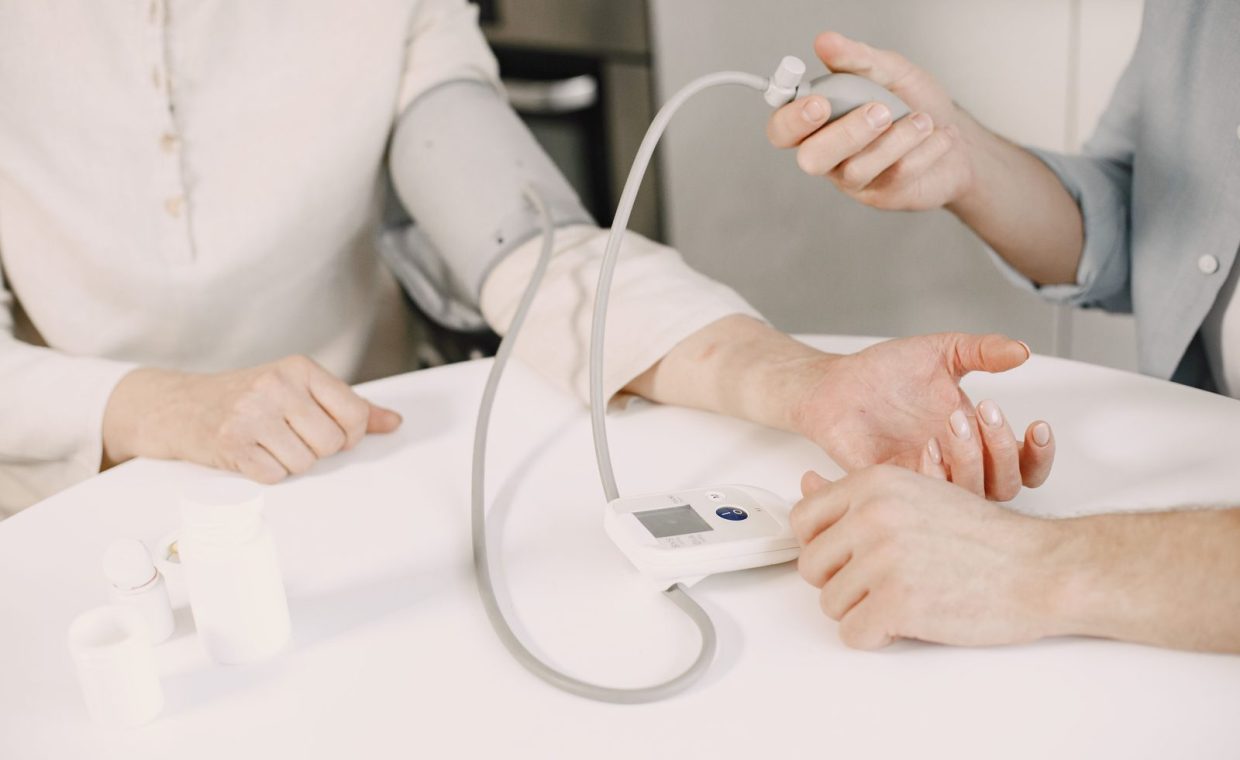
A clinic reading is a single snapshot taken in a specific, slightly artificial setting. You sat in a waiting room, maybe rushed to get there, maybe you are anxious about the visit itself. A nurse wraps the cuff and takes one measurement. It is standardized and taken by a trained person, which is genuinely valuable, but it is still one moment in time.
A home reading, by contrast, captures your blood pressure in the environment where you actually live. Multiple readings over multiple days build a picture of your real, everyday pressure rather than your "I am at the doctor" pressure. For many people that average is what truly matters for long-term heart and kidney health.
Neither is lying. They are answering different questions. The clinic asks "what is your pressure right now, measured properly?" Home monitoring asks "what is your pressure like, on average, in normal life?"
The case for measuring at home
I have become a strong advocate for home monitoring for most adults who have been told their pressure is borderline or high. The reason is simple: more data points, taken in a calmer setting, usually give a fairer estimate of your true risk.
Home monitoring also catches two patterns that a single clinic visit can miss. The first is white-coat hypertension, where pressure is high at the clinic but normal elsewhere, like my patient above. The second, more concerning, is masked hypertension, where the clinic reading looks fine but home numbers are quietly elevated. Without home data, masked hypertension can go undetected for years.
There is also a quieter benefit I see all the time. People who measure at home tend to engage more with their own health, connecting a salty meal or a poor night of sleep to a higher reading the next morning.
Choose an automatic monitor with an upper-arm cuff, not a wrist or finger model, and make sure the cuff fits your arm size. Look for a device that has been validated for accuracy. Your pharmacist or clinic can usually point you to a reliable model, and many will check your monitor against theirs if you bring it in.
The case for the clinic
The clinic is not obsolete, far from it. A trained professional takes the measurement with calibrated equipment and correct technique, which removes the user error that plagues home readings. If you have never been taught how to sit, where to place the cuff, or how long to rest first, the clinic reading is more likely to be done right.
The clinic is also where context lives. Your doctor can connect a reading to your weight, your cholesterol, your family history, and your symptoms in a way no app can. A reading is a number; a diagnosis is a judgment that needs a human who knows your whole picture.
And for some people, home monitoring backfires. If checking your own pressure makes you anxious enough that you take ten readings a day and spiral over every fluctuation, the clinic-only route may genuinely be healthier for you.
Home monitor vs clinic reading, head to head
| Factor | Home monitor | Clinic reading |
|---|---|---|
| Setting | Calm, familiar, everyday life | Standardized but can raise nerves |
| Number of readings | Many, over days or weeks | Usually one per visit |
| Technique | Depends on you doing it right | Done by a trained professional |
| Catches white-coat effect | Yes | No |
| Catches masked hypertension | Yes | Rarely |
| Cost | One-time device cost (roughly 30 to 60) | Free or covered at most visits |
| Clinical context | Limited | Full picture with your doctor |
The honest takeaway from this table is that they are complementary, not rivals. The strongest approach uses home readings for the everyday average and clinic readings for technique-checked confirmation and diagnosis.
How to take a home reading you can actually trust
A home monitor is only as good as your method. I have watched people measure right after coffee, with crossed legs, mid-sentence, and then worry about the result. Garbage in, garbage out. Here is the routine I give my patients.
- Sit quietly for five minutes first, with your back supported and both feet flat on the floor.
- Rest your arm on a table so the cuff sits at heart level.
- Avoid caffeine, exercise, and smoking for at least 30 minutes beforehand, and empty your bladder.
- Do not talk or scroll your phone during the measurement.
- Take two readings a minute apart, morning and evening, and record both. Discard the very first day as a warm-up.
After about a week you will have an average that means something. Bring that log to your next appointment. Most doctors, myself included, find a tidy two-week record far more useful than a single number taken in a busy room.
One high reading is not a diagnosis, and one normal reading is not an all-clear. Blood pressure naturally swings through the day. This article is general information, not personal medical advice. If your readings are consistently high or you feel unwell, please talk to a qualified healthcare professional rather than self-treating.
Which approach is right for whom
If you are generally healthy and just curious about your baseline, occasional clinic readings at routine visits are usually enough. There is no need to buy a device and check daily out of anxiety.
If you have borderline or high readings, a family history of heart disease, or you are starting or adjusting medication, home monitoring earns its place. The everyday average is exactly what your care team needs to make good decisions, and it helps you avoid being labeled hypertensive on the strength of one jittery office visit.
If you tend toward health anxiety, lean on the clinic and check at home only on a schedule your doctor sets. The goal is better information, not more worry. Tracking pressure is one of several habits that quietly protect your heart, alongside the kind of routine attention covered in our look at the prevention mistakes that quietly raise your risk, and it pairs well with the everyday portion awareness in our guide to judging portion sizes with your own hands.
For many people, the turning point is simply seeing a number they did not expect. That is what happened in our story of a 45-year-old who caught a problem at his first checkup, and home monitoring can extend that early-warning advantage between visits.
Are home blood pressure monitors accurate?
A validated upper-arm device used with correct technique is accurate enough for everyday tracking. The biggest source of error is usually the person, not the machine, so resting first and sitting properly matters as much as the model you buy.
My home readings are lower than the clinic. Which one is right?
Both can be correct. A lower home average often reflects your true everyday pressure, while the higher clinic number may include nerves. Bring a two-week home log to your doctor so the two can be interpreted together rather than in isolation.
How often should I check my blood pressure at home?
For most people tracking a known issue, twice a day for a week before an appointment gives a solid average. Daily, indefinite checking is rarely needed unless your doctor asks for it, and it can fuel unnecessary anxiety.
Think of the home monitor and the clinic cuff as two members of the same team. The clinic offers trained technique and clinical judgment; your home device offers the honest, everyday average that one office visit can never capture. Use both, measure carefully, and bring your numbers to someone who can read them alongside the rest of your health. That is how a simple cuff becomes genuinely useful information rather than a source of stress.