

Every October, the same display appears at my local pharmacy: a pyramid of fizzy vitamin tablets, zinc lozenges, and dark bottles promising to "fortify your defenses." I watched a man load four different products into his basket last year, and I wanted to gently tell him he was about to spend forty dollars on the least useful version of immune support there is.
The phrase "immune boosting" gets thrown around as if your immune system were an engine you can simply rev higher. It is not. It is a vast, finely balanced network, and a system running hotter is not automatically running better. An overactive immune response is the entire problem in allergies and autoimmune conditions.
So I want to walk through what genuinely supports immune function and what mostly supports a supplement company's revenue. I read these studies for a living, and the honest version is less exciting than the marketing, but it actually works.
Get the boring foundations right first
Before you buy a single capsule, look at the things that quietly do the heavy lifting. They are unglamorous, which is exactly why they get ignored in favor of a shiny bottle.
Sleep is the one I would put first. When you are short on sleep, your body produces fewer protective proteins and infection-fighting cells. In studies where people were underslept and then exposed to a cold virus, the short sleepers got sick more often. Aim for a consistent 7 to 9 hours.
Chronic stress works in a similar direction. Stress that never switches off keeps cortisol elevated, and over time that dampens parts of your immune response. This is not a reason to panic about being stressed, which only adds more stress. It is a reason to take rest seriously.
Sleep, stress management, movement, and a varied diet do more for your immune resilience than any single supplement on that pharmacy shelf. They are free, repeatable, and supported by decades of research, which is precisely why nobody advertises them.
Eat for a diverse, well-fed system
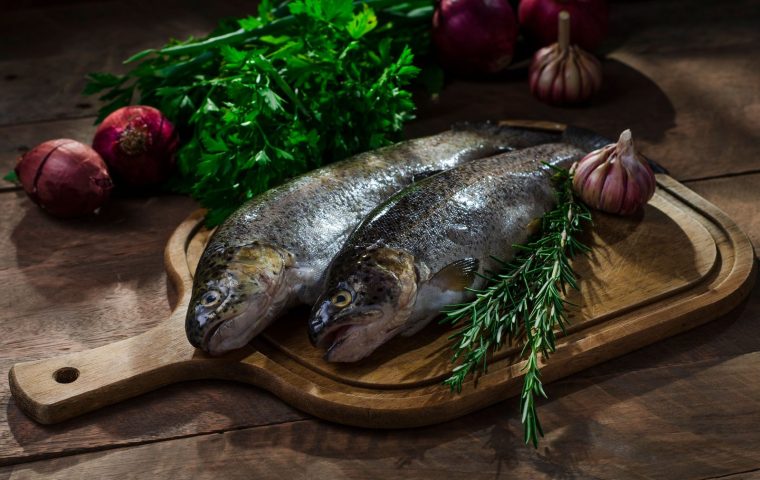
Your immune system is built and maintained from the nutrients you eat, so a monotonous diet leaves it short-handed. No single "superfood" carries the load. Variety is the actual mechanism.
A large share of your immune activity lives in and around your gut, and the bacteria there feed on fiber. A diet rich in different plants, legumes, whole grains, and fruit tends to support a more diverse gut community, which is linked to steadier immune function.
Protein matters too, since antibodies and immune cells are built from it. You do not need a heroic amount, just a reliable daily supply. The practical trouble is that "eat varied, whole foods every day" collapses the moment a week gets busy.
This is where planning beats willpower. I am a fan of a simple system to meal prep for busy weeks in a way that actually saves time, because a fridge stocked with real food keeps the foundations intact when life gets busy.
Stay hydrated, because it is part of the plumbing
Hydration rarely makes the immune marketing copy, which is odd, because fluids move nutrients to where they are needed and flush out waste. The mucous membranes in your nose and throat are a frontline barrier against pathogens, and they work better when you are not running dry.
You do not need to obsess over a specific number of glasses. Pale yellow urine and a general absence of thirst are good enough signals for most healthy people. For the longer view of why this matters, it is worth understanding why hydration affects more of your health than you think.
Keep a glass of water where you already spend time, next to your keyboard or on the counter. Most under-drinking is not a discipline problem, it is an availability problem. Make the water visible and you drink more without trying.
Move your body, but do not punish it
Regular, moderate exercise is one of the better-supported immune helpers. Brisk walking, cycling, or light strength work seem to improve immune surveillance, the ongoing patrol your body runs for trouble. People who move regularly tend to report fewer and milder respiratory infections.
There is a balance point, though. Very long, very intense sessions without enough recovery can temporarily suppress immune function rather than help it. The lesson is consistency over heroics. A daily walk beats one brutal workout followed by three days on the couch.
Movement also counters a sneakier risk. If you sit most of the day, the answer is not just a gym session at 6pm, it is breaking up the sitting itself. I have written about how to counter the health risks of sitting all day, and those small, frequent breaks support circulation more than people expect.
Be skeptical of the "boosters"
Here is where I play the spoiler. A lot of immune products live on a single narrow truth, that a nutrient deficiency impairs immune function, then imply the reverse, that loading up gives you superhuman defenses. That second leap is where the evidence falls apart.
Vitamin C is the classic example. If you are genuinely deficient, correcting it helps. But for well-nourished people, large doses do not reliably prevent colds, and at best may slightly shorten one. Zinc lozenges have somewhat better support for reducing a cold's duration if started very early, but the effect is modest and high doses cause their own problems.
Vitamin D is worth more attention, because deficiency is common, especially in darker months and at higher latitudes. Correcting a real deficiency is sensible. Megadosing on a hunch is not. The pattern is the same throughout: fix a shortfall, do not chase a surplus.
More is not safer. Fat-soluble vitamins like A and D can accumulate to harmful levels, and high-dose products can interact with medications. If you suspect a deficiency or have a health condition, get it checked rather than self-prescribing from a label.
Do not skip the genuinely proven tools
Two of the most effective immune supports are easy to overlook because they are not sold as wellness products. The first is plain handwashing. Soap and water, done properly and often, remains one of the most reliable ways to avoid the infections people are trying to supplement their way around.
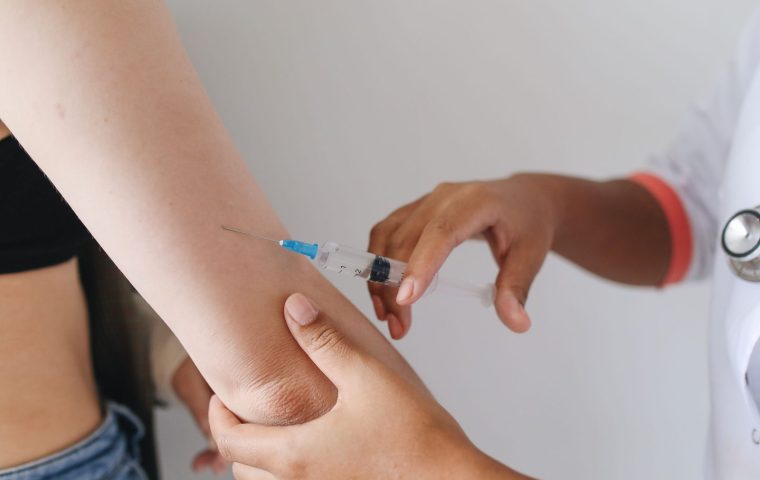
The second is vaccination. Whatever a herbal blend's marketing claims, vaccines are the one intervention designed to train your immune system against specific threats, with the evidence to match. For seasonal illnesses and age-appropriate immunizations, this is the high-leverage move. I find it telling that the cheapest, least profitable options have the strongest track record.
Putting it together without overthinking it
You do not need a complicated regimen. A short, honest checklist covers most of the real benefit.
- Protect sleep as your first and best defense.
- Eat a wide variety of whole foods, leaning on fiber and steady protein.
- Stay reasonably hydrated and keep moving in moderate amounts.
- Manage chronic stress instead of letting it simmer.
- Wash your hands and stay current on recommended vaccines.
- Supplement only to correct a real gap, ideally one that has been checked.
None of that fits on a pharmacy display, which is the point. Real immune support is a set of habits, not a purchase.
Can I actually boost my immune system?
Not in the way ads suggest. You cannot simply turn it up, and a more active immune system is not automatically healthier. What you can do is support it, by removing the things that drag it down, like poor sleep and chronic stress, and supplying what it needs through a varied diet.
Are vitamin C and zinc worth taking during cold season?
For most well-nourished people, routine high-dose vitamin C does not prevent colds, though it may slightly shorten one. Zinc started very early can modestly reduce a cold's duration, but high doses carry side effects. If you are not deficient, the benefit is small.
Does eating one specific superfood help my immunity?
No single food does the job. The benefit comes from overall variety, especially a range of plants that feed your gut bacteria, rather than any standout ingredient. A diverse, mostly whole-food diet beats fixating on one trendy item.
If you remember nothing else, remember that the unglamorous habits are the ones with the receipts. This is general information, not personal medical advice, so if you have a chronic condition, take medication, or keep getting sick despite the basics, talk to a qualified healthcare professional. The sensible approach is not a secret, it is just patient.