

James was 45 when he sat in my office for the first time in nearly twenty years. He felt fine. He had come in only because his wife had booked the appointment and, in his words, "stopped giving me a choice." No symptoms, no complaints, just a slightly sheepish man who assumed the whole thing would take ten minutes and confirm he was healthy.
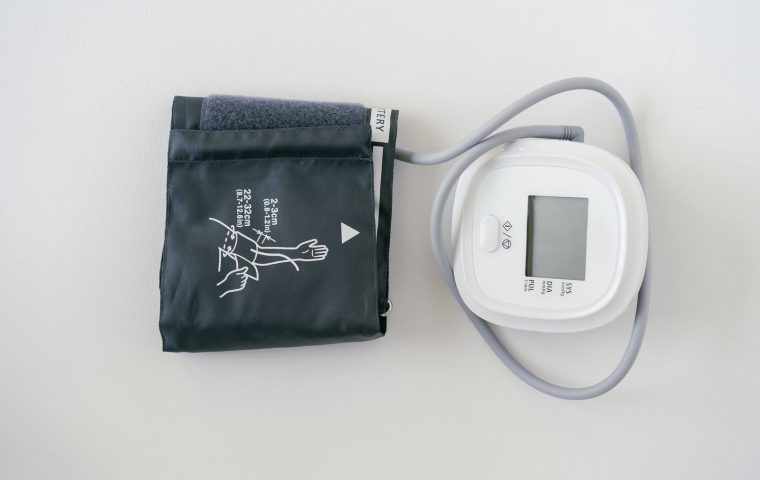
The exam itself was unremarkable. He looked well, he was working full time, he walked the dog most evenings. But his blood pressure read 158 over 96, and a fasting blood panel a week later showed his cholesterol was higher than I would like to see. James had no idea. That is the quiet part of prevention that I wish more people understood: the conditions that do the most long-term damage often announce themselves with nothing at all.
I have changed his name and a few details, but the story is real, and it is one of the more ordinary cases I see. There was no drama, no emergency. Just a number that would have kept climbing, unnoticed, for years.
Why He Avoided the Doctor for So Long
James was not careless. He was busy, a little anxious about what might turn up, and convinced that feeling good meant being well. He is far from alone. Plenty of people skip routine checkups because nothing hurts, or because a parent had a bad experience, or simply because life keeps getting in the way.
I understand the logic. If your body is not sending warning signals, why go looking for trouble? The problem is that high blood pressure and elevated cholesterol are largely silent. You can carry both for a decade and feel completely normal while they quietly strain your arteries and heart.
So when James told me he had "never had a reason" to come in, I did not lecture him. I just pointed at the monitor and said, "Well, you have one now, and the good news is we caught it early."
What the First Checkup Actually Involved
People often imagine a checkup as something invasive or intimidating. James certainly did. In reality, his appointment was straightforward and mostly involved talking and measuring.
We reviewed his family history (his father had a heart attack in his late fifties, which turned out to be relevant), checked his weight and waist, measured his blood pressure twice, and ordered a fasting blood test. That is it. The whole visit took about half an hour.
A single high reading does not equal a diagnosis. I confirmed James's blood pressure over several visits before calling it elevated. If you want to understand the figures yourself, our guide to what your blood pressure numbers actually mean walks through the ranges in plain language.
The follow-up that confirmed it
One reading in a clinic can be misleading. Some people get nervous in a medical setting, which nudges the number up. So I asked James to come back twice more and to track a few readings at home. The pattern held. His blood pressure was genuinely high, and his fasting panel showed an LDL level that, combined with his family history, put him in a category worth treating.
The Conversation That Changed His Mind
What struck me most was how quickly James shifted once he saw concrete numbers. Abstract advice about "eating better someday" had never moved him. A printout showing his ten-year cardiovascular risk did.
I explained that his cholesterol was not a moral failing or a sign he had done something wrong. It is partly genetic, partly lifestyle, and very manageable. We talked through what the figures meant, and I pointed him toward our overview of the difference between good and bad cholesterol so he could read it at his own pace at home.
"I kept thinking I would deal with my health when something went wrong," James told me later. "Turns out something was going wrong. I just could not feel it yet."
What We Did Next
James and I built a plan together rather than handing him a list of orders. That distinction matters. People stick with changes they helped design.
We started with the things that move both blood pressure and cholesterol at once. He cut back on heavily salted convenience food, added more vegetables and fiber, and committed to brisk walking on the days he already walked the dog. We did not overhaul his entire life overnight, which would have failed by week two.
- Reduce added salt and ultra-processed snacks, the biggest easy wins for his blood pressure.
- Build meals around vegetables, beans, whole grains, and fish a few times a week.
- Move most days, aiming for roughly 30 minutes of brisk activity.
- Recheck blood pressure and bloods in about three months to see the trend.
I also started him on a low-dose blood pressure medication, because his readings warranted it and lifestyle changes alone can take time. Medication is not an admission of defeat. It is a tool, and we agreed to revisit the dose as his numbers improved.
You do not need a perfect diet by Monday. Pick one change, hold it for a few weeks, then add the next. James began with a single swap, his salty lunches, and built from there. Slow, repeatable changes outlast dramatic ones almost every time.
Where He Is Now
At his three-month recheck, James's blood pressure had dropped into a much safer range, and his cholesterol had started to fall. By six months, both were close to target, and we were able to keep his medication at the lowest dose. He told me, half joking, that the appointment his wife forced him into was the best thing she had ever made him do.
The real point of his story is not that he had a problem. It is that the problem was found while it was still easy to manage. Caught at 45, his numbers were a course correction. Left for another ten years, they could have become a heart attack or stroke.
James's eating changes also became their own quiet project. He told me that watching his meals improve made him curious about food in a way he never had been, a shift that reminded me of another reader who shared how she rebuilt her eating habits after years of yo-yo dieting. Different starting points, same lesson: sustainable beats dramatic.
A routine visit found two silent risk factors he had no symptoms of. Confirming the numbers over several readings prevented an overhasty diagnosis. Small, agreed-on lifestyle changes plus a low-dose medication brought both back toward target within six months. The earlier these things are caught, the gentler the fix.
How often should an adult get a routine checkup?
It depends on your age, family history, and existing conditions, so this is general information rather than a personal recommendation. Many adults benefit from periodic blood pressure and cholesterol checks even when they feel well. A qualified healthcare professional can tell you what schedule fits your situation.
Can high blood pressure or cholesterol really have no symptoms?
Yes, and that is exactly why they are worth checking. Both can stay silent for years while gradually affecting your heart and blood vessels. The only reliable way to know your numbers is to measure them.
Does a high reading mean I will need medication for life?
Not necessarily. Some people manage their numbers with lifestyle changes alone, others use medication temporarily, and some need it long term. The right approach is individual, and your clinician will tailor it to your results and risk.
If you have been putting off that first appointment, I get it, and I am not here to scold you. Just know that a checkup is far more often reassuring than alarming, and even when it does turn something up, finding it early is the whole advantage. Book the visit, ask your questions, and treat the numbers as information you can act on rather than a verdict. For anything specific to your own health, talk it through with a clinician who knows your history.