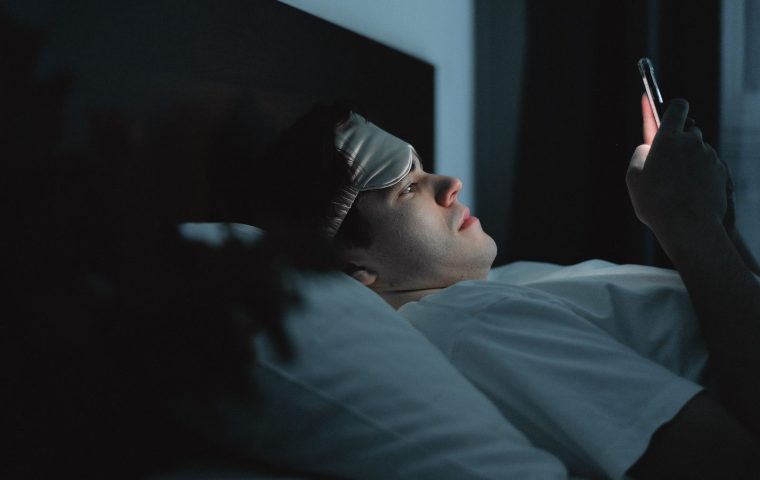


Most of us only remember a dream when it jolts us awake, or when something strange sticks around past breakfast. I was reporting a sleep story last year when a researcher reframed the whole topic for me: the dreams you recall are a tiny, biased sample of the dreaming you actually do. You dream far more than you know, several times a night, and the ones you bring back say more about when you woke up than about your subconscious.
That detail matters, because plenty of people treat dreams as a report card for how they slept. Vivid night? Must have slept badly. Blank night? Must have slept like a log. Both assumptions are shaky once you look at what is happening in the brain across a normal night. So let me walk through what dreams genuinely tell you about your rest, where they are useful signals, and where popular dream lore quietly leads people astray.
Dreaming is a stage, not a verdict on your night
Sleep runs in cycles of roughly 90 minutes, and each cycle moves through lighter stages, deep slow-wave sleep, and a phase called REM (rapid eye movement). REM is where the most vivid, story-like dreams usually happen, though some dreaming occurs in other stages too.
Here is the part that surprises people. You cycle through REM four or five times a night, with REM periods getting longer toward morning. A long, detailed dream right before your alarm is not a sign of poor sleep. It means you reached the back half of the night, when REM is supposed to dominate.
Remembering a dream mostly means you woke up during or just after REM sleep. It is not, on its own, evidence that your sleep was good or bad.
Why you remember some dreams and forget the rest
Dream recall is fragile. The brain does not file dreams into long-term memory the way it files waking events, so unless you wake during or right after a dream, it evaporates within minutes.
This explains a few everyday patterns. People who wake naturally at the end of a cycle often recall more, while those yanked out of deep sleep by an alarm may remember nothing after a perfectly normal night. And anyone waking repeatedly, say a new parent or a light sleeper, reports more dreams simply because they keep catching themselves mid-REM.
So a sudden jump in how many dreams you remember is worth a second look. It can mean your nights have become more fragmented, with more brief awakenings. That is one of the quieter signs that your sleep quality has slipped, even when total hours look fine on paper.
A small reporting note from me
When I started keeping a notebook by the bed for a story, my recorded dream count tripled in a week. My sleep had not changed. I was just waking myself slightly to write things down. The measurement was changing the result, a useful reminder to hold dream patterns loosely.
What vivid or intense dreams can hint at
Dreams are not a diagnostic tool, but certain patterns are worth noticing. A stretch of unusually intense or emotionally charged dreams sometimes lines up with stress, big life changes, or disrupted routines. REM is closely tied to emotional processing, so a turbulent period can show up as a busier dream life.
A few other associations are well documented. Alcohol suppresses REM early in the night, then allows a rebound later, which is why a few drinks can lead to fragmented sleep and oddly vivid dreams toward morning. Some medications change dream intensity, and pulling an all-nighter often triggers a REM rebound the next night to make up for what was lost.
If vivid or distressing dreams suddenly become frequent, note what else changed: new medication, more evening alcohol, higher stress, a shifted schedule. The trigger is usually in your waking life, not a hidden message in the dream itself.
Nightmares versus ordinary bad dreams
An occasional unpleasant dream is normal and means very little. Frequent nightmares that wake you, leave you anxious, and change how you feel about going to bed are a different matter. Recurring nightmares can be linked to high stress, trauma, untreated breathing problems during sleep, or certain medications.
The practical line I use when reporting: if bad dreams are regularly disrupting your sleep or your mood the next day, that is a pattern to raise with a qualified healthcare professional rather than something to decode alone. This article is general information, not personal medical advice, and persistent nightmares are exactly the kind of thing worth a real conversation with a clinician.
The myths worth dropping
Dream lore is sticky, so let me clear out a few ideas that do not hold up.
Myth: more dreams means worse sleep. Not true on its own. Healthy adults dream every night across multiple REM periods. What changes is recall, not the quality of the sleep underneath.
Myth: a dreamless night means deep, perfect sleep. Also shaky. You almost certainly dreamed; you just did not wake at the right moment to catch it. Plenty of restless nights feel dreamless too.
Myth: specific dream symbols carry universal meanings. The idea that falling, teeth, or being chased mean one fixed thing for everyone does not survive scrutiny. Dream content is highly personal and shaped by your own recent days, not a shared codebook.
How to use dreams as one small signal among many
Dreams are best treated as a soft data point, not a scoreboard. For a clearer read on your rest, watch the things that actually predict how you feel: how long it takes to fall asleep, how often you wake, and how alert you are by mid-morning.
If your dreams have turned restless, the most productive move is usually to tidy up the hours before bed rather than to interpret the dreams. Reducing late alcohol, keeping a steadier wake time, and dimming screens earlier all tend to calm a chaotic dream life. Several of the most common culprits show up in this rundown of bedtime habits that quietly wreck your sleep, and fixing even one or two often smooths things out.
There is also a daytime angle people overlook. Regular physical activity supports deeper, more consolidated sleep, which makes nights feel more restorative even if dream recall stays about the same. If you keep stalling on movement, the honest look at why workout motivation breaks down and how to rebuild it pairs well with better sleep, since the two reinforce each other.
They can hint at stress, schedule disruption, alcohol, or fragmented nights when recall suddenly spikes. They cannot grade your sleep quality, carry universal meaning, or prove you slept badly just because they were vivid.
A simple way to think about it tonight
Picture your night as a series of waves. Each climbs into deeper sleep, then rises into REM, where the vivid dreams live. By morning the REM stretches are longer, so the last wave before you wake is often the most dream-rich. Catching a dream usually just means you surfaced at the crest of one.
That framing takes the pressure off. A wild dream is not a warning. A blank night is not a trophy. Both are normal points on the same cycle, and your energy the next day is a far better guide to whether your rest is working.
Does remembering more dreams mean I am sleeping worse?
Not by itself. More recall often just means you are waking up closer to REM sleep, sometimes because nights have become more fragmented. Look at daytime alertness and how often you wake before drawing conclusions.
Why are my dreams suddenly so vivid?
Common triggers include stress, new medications, evening alcohol, or recovering from short sleep, which can prompt a REM rebound. If it persists or distresses you, it is worth discussing with a qualified healthcare professional.
Is a dreamless night a sign of deep, high-quality sleep?
Usually not. You almost certainly dreamed; you simply did not wake during a dream to remember it. Restless nights can feel just as dreamless as restful ones.
Dreams are a fascinating window into how your brain spends the night, but a foggy one at best. Treat a vivid night as interesting rather than alarming, watch patterns over weeks instead of single nights, and trust how rested you feel by day. If your sleep or your dreams are genuinely troubling you, a qualified professional will help far more than any dream dictionary. Sleep well, and be kind to the version of you that woke at 3 a.m. wondering what it all meant.