
A patient sat in my office last spring with a food diary and a worried look. She had gone plant-based four months earlier, felt more tired than usual, and was convinced she was "probably not getting enough protein." We added up a normal day of her eating together. She was landing around 62 grams. She needed roughly 55. The protein was there. The variety and timing were not.
This is the most common plant-based worry I hear, and it is usually the most fixable. Protein is not scarce in a plant-based diet. It is spread out differently, packaged with more fiber, and easy to underestimate if you are picturing a chicken breast as the only "real" source.
So let me walk you through the plant proteins I actually recommend, how they stack up, and how to build a plate that leaves you full instead of foraging for snacks at 4 p.m.
First, how much do you actually need?
Most adults do well somewhere around 0.8 to 1.0 grams of protein per kilogram of body weight, and more if you are older, very active, or building muscle. For a 68 kg (150 lb) person, that is roughly 55 to 70 grams a day, not the 150-plus that fitness marketing implies.
If those numbers feel abstract, I put together a longer breakdown of daily protein needs explained that covers how age and activity shift the target. Knowing your real number matters, because chasing an inflated one is what pushes people toward supplements they do not need.
You do not have to hit your protein goal in one heroic meal. Spreading 20 to 30 grams across three meals is easier on digestion and better for muscle maintenance than loading it all at dinner.
1. Legumes: the everyday workhorses
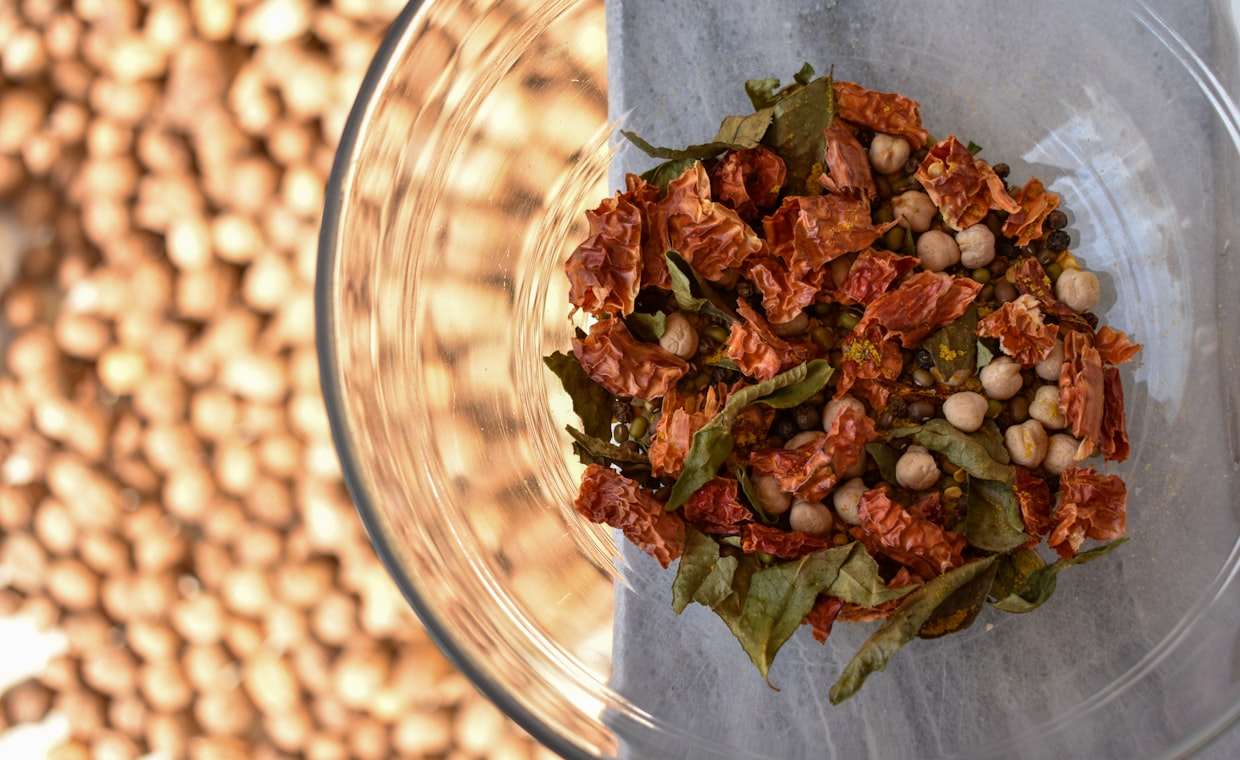
Lentils, black beans, chickpeas, and split peas are the foundation of most plant-based plates for good reason. A single cup of cooked lentils delivers around 18 grams of protein alongside a big dose of fiber, iron, and folate.
They are cheap, shelf-stable, and forgiving to cook. Canned versions count too, so do not let "I did not soak beans overnight" become a reason to skip them. Rinse them, warm them, and move on.
The one honest tradeoff is digestion. If beans leave you bloated, ramp up slowly over a couple of weeks and your gut bacteria will adapt. Lentils and split peas tend to be gentler starting points than large beans.
2. Soy foods: tofu, tempeh, and edamame
Soy gets unfairly maligned, so let me be direct. Tofu, tempeh, and edamame are complete proteins, meaning they contain all nine essential amino acids in useful amounts, and decades of research show soy is safe and often protective for heart health.
Firm tofu gives you roughly 14 grams of protein per half cup and absorbs whatever flavor you give it. Tempeh is denser and nuttier at around 19 grams per 100 grams, with the bonus of fermentation. A cup of edamame lands near 18 grams and doubles as a snack you can eat with your hands.
If you are moving away from meat gradually, tofu and tempeh are two of the easiest one-to-one substitutions in a stir-fry or taco. I keep a running list of plant based eating practical swaps for exactly these moments, when you want the meal to feel familiar and just quietly change the protein.
3. Seitan and whole grains
Seitan (wheat gluten) is the most protein-dense plant option on this list, often 21 to 25 grams per 100 grams, with a chewy texture that mimics meat convincingly. It is a great choice if you have no gluten sensitivity and want something hearty.
Whole grains contribute more than people expect. A cup of cooked quinoa carries about 8 grams, and it is one of the few grains that is a complete protein on its own. Farro, oats, and whole wheat pasta quietly add several grams per serving, which adds up across a day.
Seitan is nearly pure wheat protein, so it is a hard no for anyone with celiac disease or a wheat allergy. If that is you, lean on legumes, soy, and seeds instead.
4. Nuts, seeds, and their spreads
Nuts and seeds punch above their size. Three tablespoons of hemp seeds give you close to 10 grams of complete protein, an ounce of pumpkin seeds around 9 grams, and two tablespoons of peanut butter about 7 to 8 grams.
They come bundled with healthy fats, which is a feature, not a flaw. That fat is part of why a spoonful of almond butter on toast keeps you satisfied longer than a plain bagel.
Because they are calorie-dense, seeds and nut butters are the perfect way to top up a meal that is otherwise light on protein. Sprinkle hemp on oatmeal, stir tahini into a dressing, or fold pumpkin seeds into a salad.
How the top sources compare
Here is a snapshot of realistic protein amounts per typical serving. Use it to eyeball meals rather than to weigh everything obsessively.
| Food | Typical serving | Protein (approx.) | Notable extras |
|---|---|---|---|
| Cooked lentils | 1 cup | 18 g | Fiber, iron, folate |
| Black beans | 1 cup | 15 g | Fiber, magnesium |
| Firm tofu | 1/2 cup | 14 g | Complete protein, calcium |
| Tempeh | 100 g | 19 g | Complete, fermented |
| Edamame | 1 cup | 18 g | Complete, fiber |
| Seitan | 100 g | 22 g | Very meat-like texture |
| Cooked quinoa | 1 cup | 8 g | Complete grain |
| Hemp seeds | 3 tbsp | 10 g | Complete, omega-3s |
Do you need to "combine" proteins?
Here is a myth worth retiring. You do not need to pair rice and beans in the same bite to make a complete protein. Your body pools amino acids from everything you eat across the day, so eating a varied plant-based diet handles this automatically.
That said, variety still matters for a practical reason. Different plants are strong in different amino acids and micronutrients, so rotating legumes, soy, grains, and seeds covers more bases than eating chickpeas at every meal.
The nutrients that deserve attention
Protein is rarely the real gap in a well-planned plant-based diet. The nutrients I actually watch are vitamin B12, iron, zinc, omega-3s, and sometimes vitamin D. B12 in particular is not reliably found in plants, so a supplement or fortified foods are non-negotiable for long-term plant-based eaters.
Iron from plants is absorbed less efficiently than iron from meat, but pairing it with vitamin C (think lentils with a squeeze of lemon) meaningfully improves uptake. If you feel persistently drained despite eating enough, it is worth learning the common nutrient deficiencies signs so you can raise specifics with your doctor.
None of this is a reason to abandon plant-based eating. It is a reason to be a little intentional, the same way any thoughtful eater should be.
Can you build muscle on plant protein alone?
Yes. Plenty of strength and endurance athletes do. You may need slightly more total protein and a bit more attention to leucine-rich foods like soy, lentils, and seeds, but plant sources support muscle growth well when overall intake is adequate.
Is soy safe to eat every day?
For most people, yes. Whole soy foods like tofu, tempeh, and edamame are well studied and linked to neutral or beneficial effects on heart health and hormones. If you have a specific medical condition, check with your clinician about your individual situation.
Do I need protein powder to hit my goal?
Usually not. Most people reach their target with whole foods once they spread protein across meals. A pea or soy protein powder can be a convenient backup on busy or high-training days, but treat it as a supplement, not a foundation.
Plant-based protein is not a puzzle you need a spreadsheet to solve. Rotate your legumes, keep soy and seeds in the mix, add a scoop of something protein-rich to each meal, and mind your B12. Do that, and the "where do you get your protein" question mostly answers itself. As always, if you have a specific health concern or condition, bring it to your own doctor or a registered dietitian who knows your history.