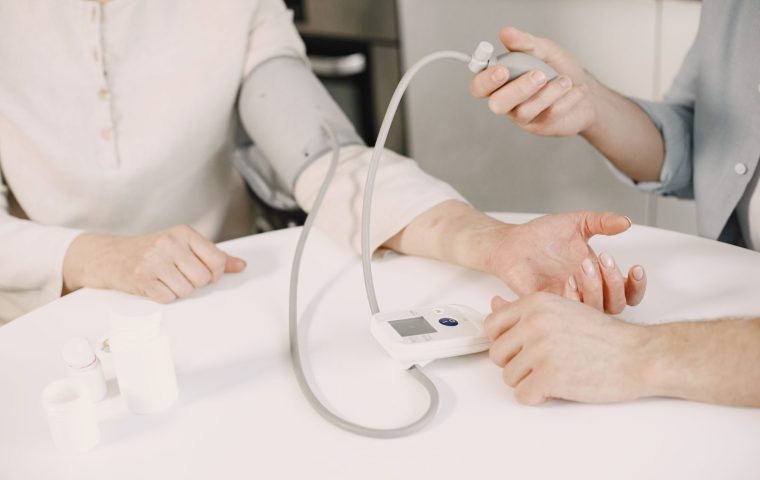


A patient once came to see me convinced something was wrong with her heart. She felt lightheaded standing up, her afternoons dragged, and she got headaches most days by 3 p.m. We ran the usual checks. Then I asked a question I ask almost everyone: how much do you actually drink in a day? She paused, counted, and landed on about two cups of coffee and "maybe a glass of water with dinner."
Her symptoms were not imaginary. They were just downstream of something simpler than she expected. Within a couple of weeks of drinking more steadily through the day, most of what scared her had eased off.
I am not telling that story to suggest water fixes everything, because it does not. But hydration sits quietly underneath a surprising number of everyday complaints, and most of us treat it as an afterthought. Let me walk through what your body is actually doing with all that fluid, and where the popular advice gets it wrong.
What hydration actually means inside your body
Roughly half to two-thirds of your body weight is water. It is the medium nearly every biological process runs in. Blood is mostly water, which is how oxygen and nutrients travel to your cells and how waste gets carried away. Your joints rely on fluid for cushioning. Your kidneys need it to filter and flush. Even the lining of your gut depends on adequate fluid to keep things moving.
So "staying hydrated" is not really about a number on a bottle. It is about keeping enough fluid in circulation that all of these systems can do their jobs without your body having to ration. When intake drops, your body is smart about prioritizing the essentials, which is exactly why the early signs of being under-hydrated are vague: a dull head, low energy, trouble concentrating. They are easy to blame on poor sleep or a busy week.
Why your energy and focus tank first
Here is the part that surprises people. Your brain is especially sensitive to fluid balance. Even mild dehydration, the kind you reach long before you feel desperately thirsty, can nudge mood, attention, and how tired you feel. That afternoon slump you blame on lunch may partly be a glass of water you never drank.
I see this constantly in desk workers who sip coffee all morning and forget plain fluid entirely. The fix is rarely dramatic. A glass when you wake up, one with each meal, and one mid-afternoon usually covers a lot of ground. If you spend long stretches seated, pairing water breaks with movement helps even more, which is one reason I point readers toward simple ways to break up long hours of sitting rather than treating hydration as a separate chore.
Keep a filled glass or bottle within arm's reach of wherever you work. Most people drink more simply because it is visible and easy, not because they made a conscious decision to. Convenience beats willpower nearly every time.
The systems that depend on you more than you realize
Beyond energy and focus, steady hydration supports a few systems that rarely get credit until they complain.
Digestion and regularity
Fiber gets most of the attention for keeping you regular, but fiber needs water to do its work. Without enough fluid, a high-fiber diet can actually leave you more uncomfortable, not less. If you are eating well but still feeling sluggish in that department, fluid is often the missing half of the equation.
Temperature and skin
Your body cools itself largely through sweat, which means hot days and exercise raise your needs. This matters in summer especially, when people lose more fluid than they notice. Drinking sensibly is part of the same outdoor playbook I cover in a practical guide to enjoying the sun safely, because heat and dehydration tend to arrive together.
Heart and circulation
When you are low on fluid, blood volume drops and your heart has to work a little harder to move it. For most healthy people that means a faster pulse and that dizzy feeling on standing. It is usually not dangerous, but it is your body telling you it is running lean.
The right amount of fluid varies with your size, climate, activity, and certain health conditions or medications. This is general information, not medical advice. If you have kidney, heart, or other chronic conditions, or you feel persistently unwell, talk to a qualified healthcare professional about what is right for you.
The eight-glasses myth, gently retired
Now for the rule everyone quotes. The famous "eight glasses a day" is not wrong so much as oversimplified. There is no strong evidence that a fixed eight glasses is the magic target for everyone. Your needs shift day to day, and a marathon in July is a different situation than a quiet day at a cool desk.
The other half of the myth is that only plain water counts. It does not. Tea, coffee in normal amounts, milk, and the water in fruits, vegetables, soups, and yogurt all contribute. The mild diuretic effect of a couple of coffees does not cancel out the fluid they contain. So if plain water bores you, you have far more options than you think.
How to tell if you are actually drinking enough
You do not need an app or a fancy bottle that lights up. Two low-tech signals do most of the work.
- Thirst. It is a real signal, just a slightly delayed one. Do not ignore it, but you also do not need to drink so far ahead of it that you are never thirsty.
- Urine color. Pale yellow generally means you are in good shape. Consistently dark suggests you could use more. Very clear all day may mean you are overdoing it.
One genuine caution: more is not always better. Drinking enormous amounts of water in a short window, well beyond thirst, can dilute the sodium in your blood, which in rare cases is dangerous. The goal is steady and sensible, not heroic.
Sudden, intense, unexplained thirst, or a big change in how often you need the bathroom, can signal an underlying condition worth checking. These deserve a conversation with your doctor rather than a guess.
Building a hydration habit that lasts
The readers who succeed do not white-knuckle eight glasses. They build small anchors into a day they already have. A glass with morning coffee. Water with every meal. A bottle on the desk. Something to sip on the commute.
If you reach for flavored drinks to make it easier, that is fine, but it pays to glance at what is in them. A surprising number of "water" beverages carry added sugar. Learning to read a nutrition label without getting fooled helps you keep the hydration benefit without quietly importing a sugar habit alongside it.
One reassuring thing I tell patients: you do not have to get this perfect. Your kidneys are remarkably good at smoothing out a slightly heavy or light day. Aim for consistent, not flawless, and your body will handle the rest.
Does coffee dehydrate me?
Not in normal amounts. Coffee has a mild diuretic effect, but the fluid in the cup more than makes up for it, so your usual two or three cups still count toward your daily fluid.
Is it possible to drink too much water?
Yes, though it is uncommon. Drinking very large volumes far beyond thirst in a short time can dangerously dilute blood sodium. Steady sipping through the day, guided by thirst and urine color, keeps you in a safe range.
Do I really need a specific number of glasses?
No single number fits everyone. Your needs depend on body size, activity, heat, and health. Pale yellow urine and rarely feeling parched are better guides than a fixed count.
Hydration is one of those quiet habits that does not feel impressive day to day, yet it touches your energy, your focus, your digestion, and your heart all at once. Start with the easy wins, keep water within reach, and pay attention to the signals your body already gives you. And if something feels persistently off despite drinking well, that is worth a real conversation with your doctor rather than another bottle of water.