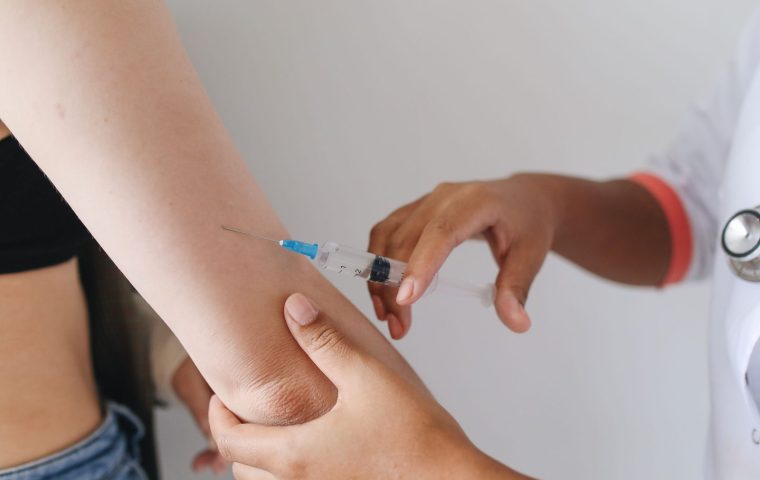


A patient once told me, with real pride, that she had not seen a doctor in eleven years. "I feel fine," she said, and she did, mostly. But a five-minute blood pressure check that afternoon showed a number high enough to worry me, and a simple blood test a week later found cholesterol creeping into a range we could still fix with food and walking rather than medication.
That is the quiet value of screening. It is not about finding disaster. Most of the time it finds nothing, and you go home reassured. The rest of the time it catches something small and slow, the kind of problem that gives no symptoms until it has had years to grow.
Here is a decade-by-decade map of the checks worth putting on your calendar. Treat it as a starting point for a conversation with your own clinician, since family history and personal risk can shift the timing either way.
What a screening actually is (and is not)
A screening is a test offered to people who feel well, to look for a problem before it announces itself. You are not waiting for a symptom; you are checking the smoke detector while the house is quiet.
That is different from a diagnostic test, which you get because something already feels wrong. A mammogram in a woman with no complaints is screening. The same scan ordered because she found a lump is diagnostic. Same machine, very different purpose.
The myth I hear most often is that more testing is always better. It is not. A good screening program is choosy on purpose, because tests carry small costs of their own, including false alarms that lead to anxious weeks and follow-ups you may not have needed. The checks below earned their place because the benefit, for most people, clearly outweighs that downside.
This article is general information, not personal medical advice. Your own history, symptoms, and risk factors matter enormously, so use this as a prompt to talk with a qualified healthcare professional who knows you.
Your 20s: build the baseline
In your twenties the headline is usually good news. Serious disease is rare, so screening is light, and the point is to establish a baseline and catch the few things that genuinely show up early.
Blood pressure is the big one, and it costs nothing. A reading every couple of years (more often if it runs high) tells you a lot, because high blood pressure is silent and starts younger than most people assume. Cervical cancer screening typically begins around age 21 for women, on a schedule your clinician will set. Sexually active adults should ask about testing for common infections, which is routine and nothing to feel awkward about.
This is also the decade to set habits that make later screenings boring in the best way. How you eat, move, sleep, and drink water now shapes the numbers you will see in twenty years. I genuinely treat how everyday hydration touches your energy, focus, and long-term health as part of prevention, not a separate wellness footnote.
Your 30s: start watching the metabolic numbers
The thirties are when small metabolic shifts begin, often invisibly. Weight settles in new places, activity quietly drops as careers and kids fill the calendar, and the numbers drift.
Keep up the blood pressure checks. Around this decade many clinicians begin looking at blood sugar and a cholesterol panel, especially if you carry extra weight or have a family history of diabetes or heart disease. A skin check matters too: get any mole that changes shape, color, or size looked at, rather than waiting.
A small first-person bias: as a preventive physician, I love the thirties, because almost everything we find at this stage responds to lifestyle. A slightly high cholesterol number is often a nudge, not a sentence. Eating pattern, movement, and how you handle illness season all matter, which is why I point readers toward supporting your immune system in a sensible, evidence-based way rather than chasing whatever supplement is trending.
Your 40s: the decade screening earns its keep
If there is a turning point, this is it. Risk for several common conditions rises in the forties, and this is where regular screening starts to clearly pay off.
Heart and metabolic checks
Expect blood pressure, cholesterol, and blood sugar to become a regular trio, perhaps every one to three years depending on your readings. A clinician may also estimate your overall cardiovascular risk by combining these numbers with your age and habits, which helps you decide whether lifestyle changes alone are enough.
Cancer screening begins in earnest
Breast cancer screening with mammography commonly starts somewhere in the forties; the exact age and interval depend on your guidelines and personal risk, so this is worth a direct conversation. Discussions about colorectal screening often begin around age 45, with options including stool-based tests as well as colonoscopy. Eye and dental checks deserve a slot too, since both connect to wider health.
Your 50s and beyond: stay consistent, add a few
The fifties are not about panic, they are about consistency. Most screenings you started earlier simply continue, with a few additions.
Colorectal screening is firmly recommended through this decade and into the sixties. Bone density testing becomes relevant, particularly for women after menopause and anyone with risk factors for thinning bones. Conversations about prostate screening for men, and lung screening for people with a significant smoking history, belong here too, weighing benefits against harms with your clinician.
Pick one anchor, like your birthday month, and book your routine checks then every year. Tying screening to a date you already remember beats a vague intention to "get around to it," and I have watched this single trick close years-long gaps.
Older adults should also keep up vaccinations, vision and hearing checks, and a periodic review of all medications. None of it is glamorous, but it keeps you living well, not just longer.
How to make screenings less of a chore
The best screening schedule is the one you actually follow. Keep your own simple record of dates and results, so you are not relying on memory or a single clinic's file. Bring your family history to appointments too, because a parent's early heart attack or a sibling's cancer can change what you need and when.
And go in with questions. Ask why a test is recommended, what the result would change, and when you are due next; a good clinician welcomes this. Showing up hydrated and rested also makes the visit smoother, and if plain water bores you, here are some easy ways to stay hydrated without forcing eight glasses.
20s: blood pressure, cervical screening, baseline habits. 30s: add metabolic and cholesterol checks, watch your skin. 40s: heart, sugar, and the first cancer screenings. 50s and up: stay consistent and add colorectal, bone, and age-specific checks. Adjust all of it with a clinician who knows your history.
A word on what these checks cannot do
Screening is powerful, but it is not a force field. A clean mammogram last year does not mean you ignore a new lump this year, and normal cholesterol does not make a smoking habit safe. Tests look at one slice of your health at one moment, and they work best alongside the daily choices that move those numbers. No single article, including this one, replaces a clinician who can examine you.
I feel completely healthy. Do I really need screenings?
Yes, and feeling healthy is exactly the point. Many of the conditions these tests look for, like high blood pressure or rising blood sugar, cause no symptoms for years. Screening is how you catch them while they are still easy to manage.
The ages here do not match what my doctor told me. Who is right?
Your doctor, almost certainly. Guidelines vary by country and get updated, and your personal and family history can move the timing earlier or later. Treat these decades as a general framework and let your clinician tailor it.
Can good habits let me skip some screenings?
Habits lower your risk, which is wonderful, but they do not replace testing. Even very healthy people develop conditions that only a screening catches early, so treat the two as partners, not substitutes.
If you take one thing from this, let it be the birthday-month trick: tie your routine checks to a date you already remember, and the years stop slipping by unscreened. Talk with a clinician you trust, bring your family history, and keep showing up. Future you, sitting in a quiet appointment that finds nothing, will be glad you did.