
A patient once handed me a slip of paper from a pharmacy machine. It read 138 over 86, and underneath, in shaky handwriting, she had drawn a question mark and the words "is this bad?" She had been carrying that paper around for three weeks, quietly worried, afraid to ask.
I think about her often, because she is not unusual. Blood pressure gets measured constantly, at clinics, pharmacies, gyms, even smart watches now, and then the number lands in your lap with no explanation. Two figures stacked on top of each other, and somehow you are supposed to know what they mean for your life.
So let me walk you through it the way I would across my desk. No alarm, no jargon you cannot use. Just what those numbers actually describe, which ones deserve your attention, and what is worth doing about them.
What the two numbers are actually measuring
Your heart is a pump, and blood pressure is simply the force of blood pushing against the walls of your arteries as that pump works. The reading comes as two numbers because your heart does two things in each beat.
The top number, systolic pressure, is the force when your heart squeezes and pushes blood out. The bottom number, diastolic pressure, is the force when your heart relaxes between beats and refills. So 120 over 80 means a systolic of 120 and a diastolic of 80, measured in millimetres of mercury.
A useful way to picture it: a garden hose. Systolic is the surge when you turn the tap on full. Diastolic is the steady pressure still in the hose when the tap eases off. Both matter, because your arteries feel that force around 100,000 times a day.
What counts as normal, and what does not
Here is roughly how most guidelines group the numbers. These ranges are general references, not a personal verdict, and the exact cutoffs vary a little between countries and organisations.
| Category | Systolic (top) | Diastolic (bottom) |
|---|---|---|
| Normal | Below 120 | Below 80 |
| Elevated | 120 to 129 | Below 80 |
| Stage 1 higher range | 130 to 139 | 80 to 89 |
| Stage 2 higher range | 140 or above | 90 or above |
| Worth urgent advice | 180 or above | 120 or above |
Notice that you only need one of the two numbers to be high to land in a higher category. A reading of 145 over 78 still counts as raised, because that top number is doing the work. This is why isolated high systolic readings, common as we age, are taken seriously rather than waved off.
Why a single reading rarely tells the whole story
This is the part people skip, and it causes a lot of worry. Blood pressure is not a fixed trait like your eye colour. It moves all day. It rises when you climb stairs, when you are stressed, after coffee, even when you are talking.
So one number on one afternoon is a snapshot, not a diagnosis. I have seen readings drop 15 points between the start and end of an appointment, simply because the person finally relaxed. That is why we look at a pattern over time, often using several readings taken on different days, before deciding anything.
"My reading was high once, so I have high blood pressure." Not necessarily. A genuinely raised pattern shows up repeatedly, in a calm setting, across multiple days. One stressful reading at a pharmacy machine is a prompt to check again properly, not a sentence.
How to get a reading you can actually trust
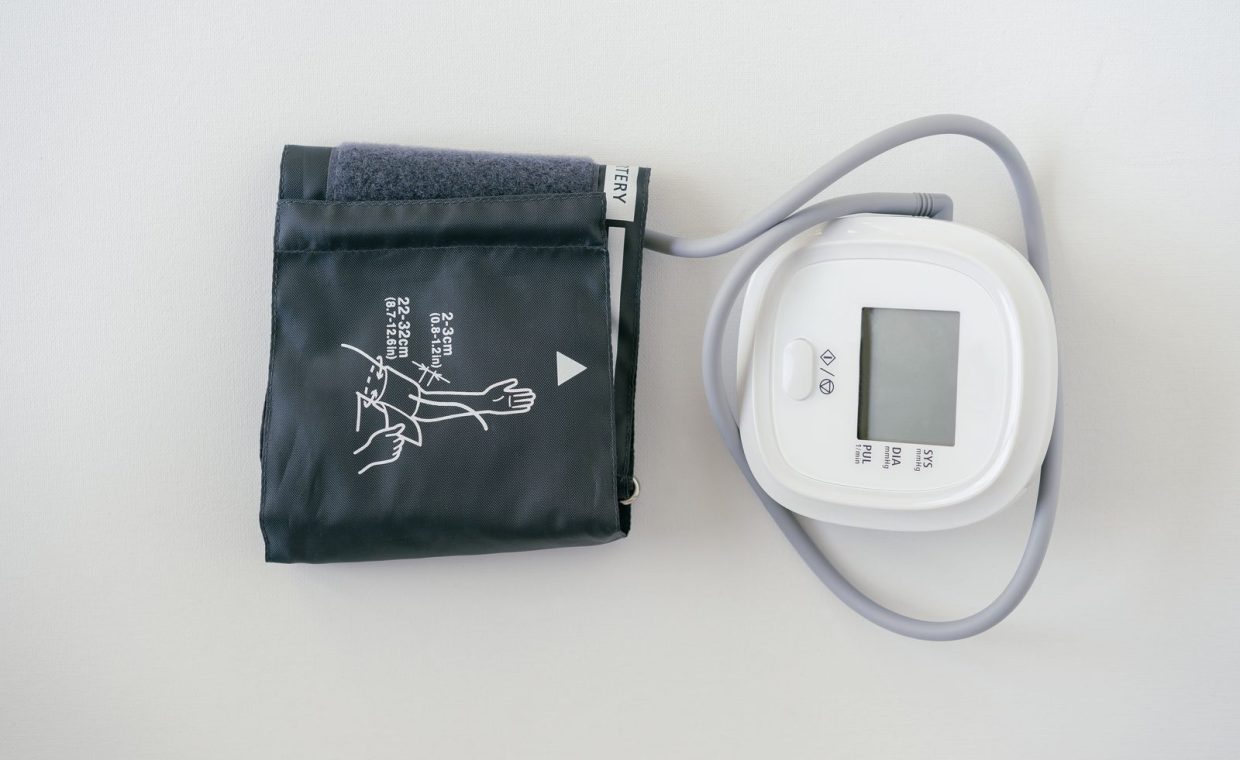
If you are measuring at home, small details change the result more than people expect. A few habits make your numbers far more reliable.
- Sit quietly for about five minutes first, feet flat on the floor, back supported.
- Rest your arm on a table so the cuff sits roughly level with your heart.
- Skip caffeine, exercise, and smoking for around 30 minutes beforehand.
- Do not talk during the measurement, and empty your bladder first.
- Take two or three readings a minute apart, then use the average.
I usually suggest measuring at the same times each day for a week, say morning and evening, and writing them down. A week of honest numbers tells me more than a dozen scattered ones taken whenever you happened to remember.
Why the numbers matter for the rest of you
Blood pressure feels abstract because, for most people, high readings cause no symptoms at all. You feel completely fine. That is exactly what makes it worth tracking, because the strain happens quietly, year after year.
Sustained high pressure makes the heart work harder and gradually stiffens and narrows arteries. Over time that raises the risk of heart attack, stroke, kidney trouble, and vision problems. None of this is meant to frighten you. The point is the opposite: because it builds slowly, you have a long runway to influence it.
It also rarely travels alone. Blood pressure tends to sit alongside other markers of heart health, which is why understanding your cholesterol numbers and what they mean fits naturally into the same picture. The two together give a much fuller view of your cardiovascular risk than either one on its own.
What you can actually do about it
The encouraging part is how responsive blood pressure can be to everyday changes. These are not magic fixes, and they do not replace medical care when it is needed, but the evidence behind them is solid.
Movement, food, and the boring basics
Regular activity, even brisk walking most days, tends to bring readings down over weeks. Cutting back on very salty processed foods often helps too, since excess sodium makes your body hold onto fluid and pushes pressure up. Eating more vegetables, fruit, and whole grains supports the same goal.
People sometimes assume eating for heart health means eating less of everything, but balance matters more than restriction. Getting enough of the right foods, including a sensible look at how much protein you actually need each day, keeps the plate satisfying while you make changes that stick.
Pick a single high-salt habit you have, maybe the daily takeaway lunch or the salt you add before tasting, and adjust just that for two weeks. Tiny, specific changes hold far better than sweeping overhauls you abandon by Friday.
Sleep, alcohol, and stress
Poor sleep, heavy drinking, and relentless stress all nudge pressure upward. You do not have to fix all three at once. Improving any one of them is a real win, and they tend to support each other anyway.
When a number means see someone, not later
Most raised readings are a "let us keep an eye on this" situation, not an emergency. But a few patterns deserve prompt attention. A reading at or above 180 over 120, especially with chest pain, breathlessness, severe headache, vision changes, or weakness on one side, is a reason to seek urgent care rather than recheck tomorrow.
For everything short of that, the sensible move is to build blood pressure checks into routine care. Knowing which health screenings you need at each age helps you catch a rising trend early, while it is still easy to influence with lifestyle alone.
Everything here is general information, not a diagnosis. Your ideal targets depend on your age, history, and other conditions, so a qualified healthcare professional who knows your full picture should guide any decisions about treatment or medication.
Which number is more important, the top or the bottom?
Both carry information, but in adults over about 50, the systolic (top) number tends to be the stronger predictor of risk, because arteries naturally stiffen with age. That said, a high reading in either number is worth attention.
Can stress alone cause a high reading?
Yes, temporarily. Stress, anxiety, even the nerves of being measured can lift a reading well above your usual baseline. This is why a calm setting and repeat measurements over several days matter so much before drawing conclusions.
Do home monitors give accurate results?
A good validated arm-cuff monitor, used correctly, can be very reliable and sometimes more representative than a single clinic visit. Wrist devices and poor technique are the usual sources of error, so technique and a decent cuff matter most.
That slip of paper, 138 over 86, was not a crisis. It was an invitation to look a little closer, take a few calm readings, and have a real conversation. If your own numbers have been nagging at you, treat them the same way. They are simply information, and information you understand is a great deal easier to act on.