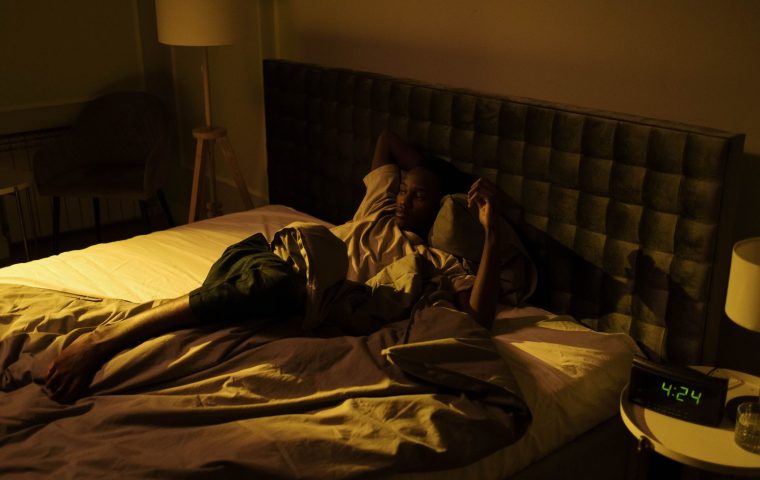

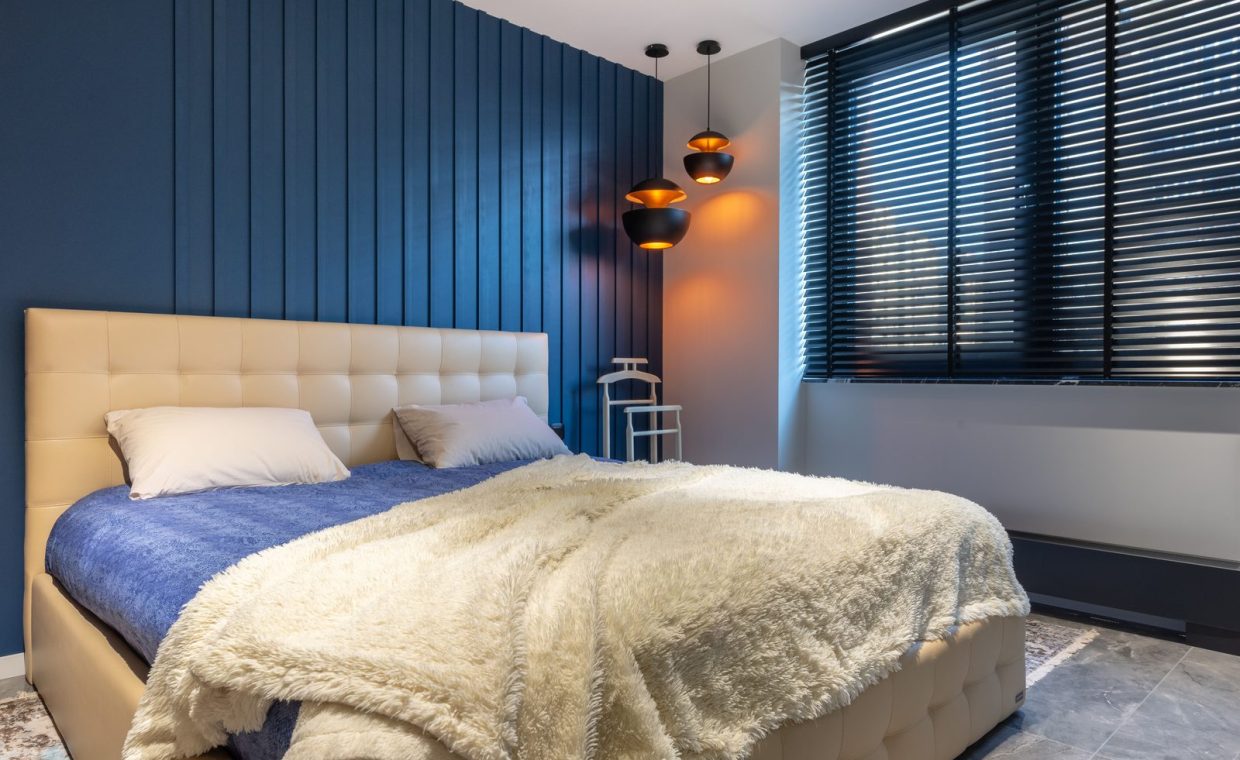
A client of mine once swore he had insomnia. His evening habits, caffeine, and stress all checked out fine. Then he mentioned the streetlight that turned his ceiling faint orange every night, and the smart TV with its little blue standby dot glowing across the room. We blacked out the window and taped over the dot. Within a week he slept like a teenager on a Saturday.
I coach strength for a living, so I am used to people obsessing over the big, dramatic levers. With sleep it is usually the opposite. The room you sleep in does a lot of quiet work, and most fixes cost less than a decent pair of running shoes.
If you are sensitive to light or noise, or you just want to stop waking at 3 a.m. for no reason you can name, here is how I set up a bedroom from scratch. Work through it in order, and do not feel you have to do it all this weekend.
1. Get the room genuinely dark
Light is the single biggest signal your body uses to decide whether it is time to be awake. Even modest light on your eyelids can nudge your internal clock and shave the depth off your sleep. So step one is real darkness, the kind where you cannot see your own hand after ten minutes.
Start with the window. Blackout curtains or a fitted blind do most of the heavy lifting, and if you cannot mount anything, a cheap blackout panel with suction cups works fine. Then cover the little glowing offenders, the chargers, power strips, router, and standby lights. A strip of electrical tape over each one takes thirty seconds.
Lie in bed with the lights off and let your eyes adjust for ten minutes. Anything you can still clearly see is a light source worth covering or moving.
2. Quiet the noise, or cover it
You cannot always control noise, especially if you live near a road, share walls, or sleep during the day. The goal is not silence, which is rare and sometimes unsettling anyway. It is steady, predictable sound that masks the sudden stuff that yanks you awake.
A fan, a white noise machine, or an app playing brown noise smooths over a slamming door or a barking dog nearby. Earplugs are underrated too, since soft foam ones cost almost nothing and disappear once you get used to them.
If outside noise is relentless, soft furnishings help more than people expect. A rug, heavier curtains, and a padded headboard all soak up a little sound. None is dramatic alone, but the layers add up.
3. Set the temperature on the cool side
Your core temperature naturally dips as you fall asleep, and a cooler room helps that along. Most people sleep best around 16 to 19 degrees Celsius, roughly 60 to 67 Fahrenheit, though that is a starting point to adjust to your own comfort.
If you cannot control the heating, work the edges. Crack a window, swap a heavy duvet for lighter summer layers, and choose breathable bedding like cotton or linen over heat-trapping synthetics. Cold feet keep some people awake, so socks can do what no thermostat will.
This matters more if you train hard. As I cover in the piece on why athletes treat sleep as a training tool, an overheated room can fragment the deep sleep your muscles rely on for repair.
4. Sort out the bed itself
You spend a third of your life on this surface, so it earns more thought than the throw cushions. A mattress that sags or leaves you aching is worth replacing, and most last about eight to ten years before support fades.
Pillows are the cheaper, faster fix and people ignore them for years. The right one keeps your neck roughly in line with your spine, whether you sleep on your back, side, or front. A side sleeper needs more loft than a stomach sleeper, and if you wake with a stiff neck most mornings, your pillow is the first suspect.
Daytime posture plays into how you feel at night too. If you sit hunched at a desk, the simple exercises that ease slouching posture can reduce the aches that make it hard to settle once your head hits the pillow.
You do not need an expensive mattress to sleep well. A supportive surface, a pillow that suits your sleep position, and clean, breathable bedding cover most of what matters.
5. Make the room feel like a place to rest
Your brain reads context. If your bedroom doubles as an office, a gym, and a place to eat dinner, it learns to link the space with being alert and busy. The more you reserve the bed for sleep, the faster your body learns to power down when you lie in it.
I am realistic here. Plenty of people live in one room and cannot banish the laptop. If that is you, at least create a visual break: close the laptop or drape a cloth over the desk so work is out of your eyeline from the pillow.
Clutter matters more than it should, because a messy room keeps a low hum of unfinished tasks running in your head. You do not need a magazine bedroom, just clear surfaces and a floor you can cross in the dark.
6. Build a gentle lighting runway to bedtime
Darkness at lights-out is the goal, but the hour before bed matters too. Bright overhead light, especially the cool white kind, tells your brain it is still midday. Shifting to warm, dim lamps lets your body start producing the signals that make you drowsy.
Swap a glaring ceiling bulb for a low bedside lamp with a warm bulb. Dimmer switches and smart bulbs that fade to amber are nice if you have them, but a single soft lamp does the job. The point is a wind-down ramp, not a hard switch from floodlight to pitch black.
Screens are part of this, since the light and the constant stimulation both keep you wired. I will not tell you to ban your phone, but moving the charger across the room breaks the doomscroll habit faster than willpower ever will.
7. Adapt the room to your schedule
A standard setup assumes you sleep when it is dark out, and not everyone does. If you work nights or rotate shifts, your room has to fight daylight and household noise while the rest of the world is wide awake.
That means leaning harder on the same tools: serious blackout coverage, a sleep mask as backup, earplugs or white noise against daytime activity, and a clear signal to others that you are off limits. If this is your reality, the dedicated survival plan for sleeping well on shift work goes deeper.
Whatever your hours, consistency helps the room do its job. A space your body recognizes as the sleep zone, at roughly the same time each day, trains your clock better than any gadget.
This is general information, not medical advice. If you have done the sensible things and still cannot sleep, or you snore heavily, gasp awake, or feel exhausted no matter how long you are in bed, talk to a qualified healthcare professional. Persistent sleep problems sometimes point to something a bedroom tweak will not fix.
Common questions
Do I really need blackout curtains, or is a sleep mask enough?
A good sleep mask works well and costs little, especially if you cannot modify your window. Blackout curtains feel more comfortable for many people and darken the whole room. Either is a solid choice, so start with whichever is easier.
What is the ideal bedroom temperature for sleep?
Most people land around 16 to 19 degrees Celsius, about 60 to 67 Fahrenheit, but comfort varies. Treat that range as a starting point and adjust. Cooler than your daytime preference is usually the right direction.
How often should I replace my mattress and pillows?
A mattress typically lasts around eight to ten years, though sagging or persistent aches are better signals than the calendar. Pillows wear out faster, often within a couple of years. If yours is lumpy, flat, or leaves your neck stiff, it is time.
None of this requires a renovation or a big budget. Pick the change that nags at you most, maybe the streetlight or the standby glow, and handle it first this week. Sleep responds to small, steady adjustments, the same way your body responds to training. Give your room a fair shot, and notice what actually changes how you feel in the morning.