
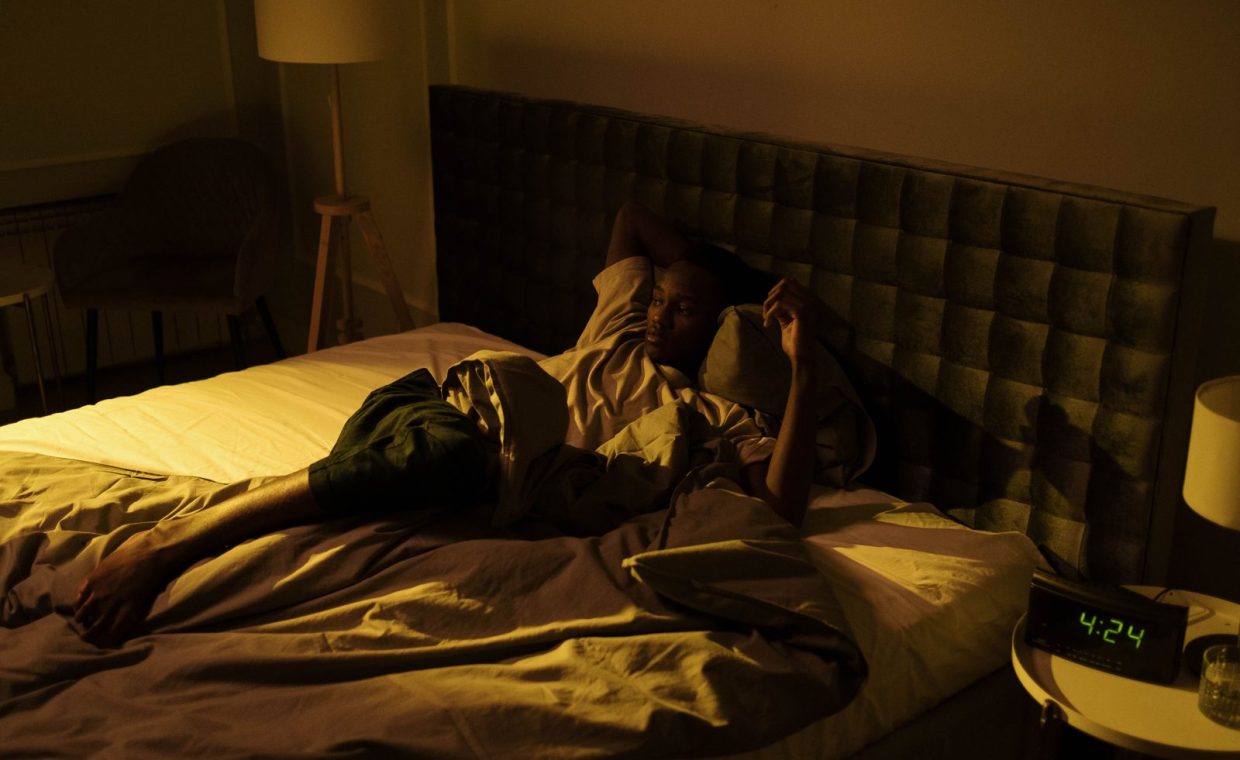
It is 3:14 in the morning. You have done the math three times now: if you fall asleep this second, you still get four hours and forty-six minutes. So of course you do not fall asleep. You lie there calculating, certain that tomorrow is ruined.
I have read a stack of sleep studies for work, and I still recognize that exact spiral. Insomnia is one of the most common health complaints, and one of the most misunderstood. People assume it means they are broken. The research tells a more hopeful story, so let me walk through what insomnia actually is, why your brain does this, and the first steps with real evidence behind them.
What insomnia really means
Insomnia is not just "a bad night." Everyone has those. Clinically, it describes trouble falling asleep, staying asleep, or waking too early, happening at least a few nights a week, and bothering you during the day. That daytime piece matters. If you sleep five hours, feel fine, and function well, that is your normal, not a disorder.
Here is an example. Say you sleep soundly but wake at 5 a.m. and cannot drift off, then drag through the afternoon foggy and irritable. That is insomnia, even though you "slept."
A myth worth dropping: the idea that everyone must hit exactly eight hours. Sleep need is a range, often roughly seven to nine hours for adults, and some people genuinely run well on a little less. Chasing a magic number can itself become a source of bedtime anxiety.
Short-term versus long-term insomnia
Sleep researchers split insomnia into two flavors, and the difference shapes what helps.
Acute (short-term) insomnia
This is the kind triggered by something obvious: a work deadline, grief, jet lag, a new baby. It tends to last days or weeks and often clears once the stressor settles.
Chronic insomnia
This is the persistent kind, three or more nights a week for three months or longer. Often it starts as the acute type, then sticks around because of the habits we adopt to cope. The original trigger may be long gone while the pattern keeps running on its own.
A rough patch of poor sleep is not damaging you in any lasting way. The body is resilient and catches up. What turns a rough patch into chronic insomnia is usually the worry and the workarounds, not the missed hours.
Why your brain refuses to switch off
Sleep researchers lean on a model I find genuinely useful: the "3 P" framework. Predisposing factors are the traits you came with, like a naturally anxious temperament or a body clock that runs late. Precipitating factors are the triggers that kick off a bad stretch, like that deadline or that loss. Perpetuating factors are the behaviors that keep it going long after the trigger fades.
That last group is where the hope lives, because perpetuating factors are the ones you can change. Spending ten hours in bed to "catch up" teaches your brain that bed is a place for lying awake. The fix is less about forcing sleep and more about removing what blocks it.
The arousal problem
Underneath all of this sits a state researchers call hyperarousal: a nervous system stuck in low-grade alert mode. Your heart rate runs a touch high, your mind keeps scanning for problems, and sleep, which requires a sense of safety, cannot get a foothold. That is why "just try harder to sleep" backfires. Trying is arousal. Sleep is the absence of it.
The everyday culprits
When I report on sleep, the same handful of factors come up again and again, and none is exotic.
- Caffeine and alcohol. Caffeine lingers far longer than most people expect, and alcohol may help you nod off, then fragments the back half of the night.
- Light and screens. Bright light late tells your brain it is still daytime, nudging your internal clock later.
- Irregular timing. Wildly different sleep and wake times, especially big weekend lie-ins, confuse the body clock.
- Stress and rumination. A racing mind is the headline complaint for most people who cannot sleep.
- Health conditions. Pain, restless legs, sleep apnea, anxiety and depression all interfere with sleep, which is why a professional check matters when problems persist.
One pattern surprises people: daytime habits matter as much as bedtime ones. Regular exercise reliably improves sleep, though the type and timing involve some nuance. Our piece on how cardio and strength training stack up in the evidence is a good companion read.
First steps that actually have evidence
The treatment with the strongest research support for chronic insomnia is not a pill. It is a structured behavioral approach often shortened to CBT-I (cognitive behavioral therapy for insomnia), and you do not need a clinic to borrow its core moves.
Keep a fixed wake time. Pick one wake time and hold it, weekends included. A steady morning anchor does more for your body clock than any bedtime rule.
Protect the bed for sleep. If you are wide awake after what feels like 20 minutes, get up, sit somewhere dim and dull, and return only when sleepy. This rebuilds the link between bed and sleeping rather than bed and stewing.
Wind down for real. Give yourself a genuine buffer before bed: lower the lights, step away from screens, do something calm. The goal is to lower that arousal, not to win a productivity contest late at night.
Be careful with the metrics. Obsessively checking a sleep score can feed the very anxiety keeping you up. I dig into that tension in whether your sleep tracker or your own body is the better judge, and most nights, how you feel wins.
Stop doing bedtime arithmetic. If you wake in the night, resist calculating the hours left. Tell yourself rest still counts and let your eyes stay closed. Removing the math removes a surprising amount of the pressure.
Where supplements fit
Plenty of people reach for melatonin first. It can nudge a shifted body clock, like with jet lag, but it is not a sedative and tends to underwhelm for everyday insomnia. I compare the two in melatonin versus good sleep habits, and the habits win more often than the bottle would have you believe.
This is general information, not medical advice. If your sleep has been poor for months, if you suspect a condition like sleep apnea, or if low mood or anxiety is involved, talk to a qualified healthcare professional. Some causes of insomnia need diagnosis and treatment, and a good clinician can point you toward proper CBT-I.
When to take it more seriously
Most short-term insomnia eases with patience and steadier habits. But a few signs are worth a professional conversation rather than another month of trial and error. Loud snoring with gasping or pauses can point to sleep apnea. Persistent early-morning waking paired with low mood may signal depression. Sleep that has been broken for months, or that is wrecking your work and relationships, deserves real assessment. None of this means something is catastrophically wrong, just that the cause might be specific, and specific causes have specific fixes.
Insomnia is trouble sleeping that follows you into the day. It often starts with a trigger, then sticks because of coping habits and a keyed-up nervous system. The most effective first steps are behavioral: a fixed wake time, protecting the bed for sleep, a real wind-down, and easing off the pressure.
How many bad nights make it insomnia?
A single rough night is normal. Clinicians usually look for trouble at least a few nights a week that also affects your daytime functioning. Brief stretches around stress are common and often pass on their own.
Should I just take a sleeping pill?
Medication has a place for short-term use under guidance, but it does not address the habits and arousal that keep chronic insomnia going. Behavioral approaches have stronger long-term evidence. Talk to a professional before relying on any sleep aid.
Will one bad night hurt my health?
No. A poor night leaves you tired and foggy, but your body recovers. The bigger risk is letting worry about sleep snowball into a lasting pattern, which is why easing the pressure matters so much.
If you take one thing from all this, let it be that you are not broken and your sleep is not beyond repair. Start with a steady wake time, give your nervous system room to settle, and be patient. If the nights stay rough, reach out to a healthcare professional who can dig into the cause. Sleep, in my experience reading the science, usually comes back once you stop chasing it so hard.