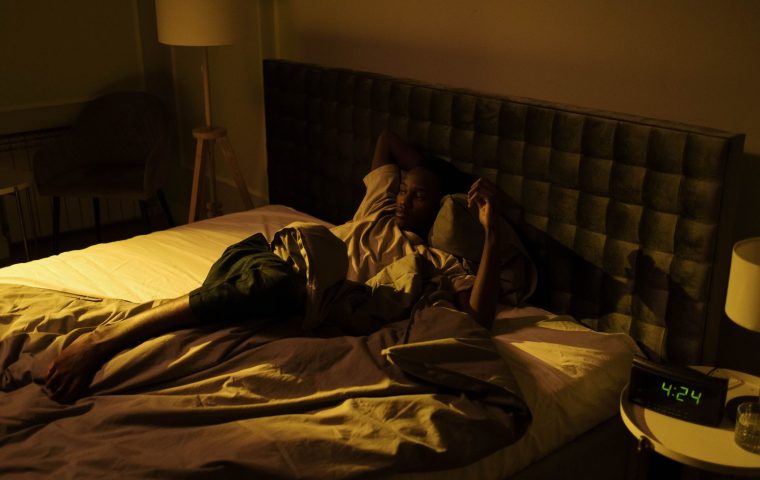


The alarm goes off at 5:40 a.m. You slap the snooze bar, promise yourself "just nine more minutes," and repeat that bargain three times until you are late, groggy, and quietly furious at the person who set the alarm the night before. That person was you.
I hear a version of this story in clinic almost every week. People assume early risers are simply built differently, blessed with some genetic gift for bouncing up at dawn. A few of them are. But most morning people got there on purpose, and they did it by working with their biology instead of fighting it at 5 a.m. with willpower alone.
Waking up earlier is a skill you can build, gently, over a couple of weeks. The goal is not to become a person who springs out of bed cheering. The goal is a morning that feels neutral to pleasant, where the alarm is a cue rather than an enemy.
Why waking up early feels so hard
When your alarm rings before your body is ready, you are usually being pulled out of deep or REM sleep. That abrupt exit is what creates sleep inertia, the heavy, foggy feeling that can linger for 15 to 30 minutes or longer.
Snoozing makes it worse, not better. Those extra minutes are shallow, fragmented sleep, and each new alarm risks dragging you out of another sleep cycle. You end up paying for the "rest" with more grogginess.
The deeper problem is timing. If your internal clock still thinks it is the middle of the night, no amount of discipline will make 5:40 feel good. So the fix starts one layer down, with the clock itself.
Start with your body clock, not your alarm
Your sleep and wake times are governed by an internal 24-hour timer that responds strongly to light. If you want the full picture of how that timer works, we cover it in circadian rhythm explained, but the practical version is short: light in the morning shifts your clock earlier, and light at night shifts it later.
This is why the single most effective thing you can do is get bright light into your eyes soon after waking. Ten to twenty minutes outdoors, even on a gray day, sends a powerful signal that morning has arrived. Outdoor light is far brighter than most indoor rooms, so stepping outside beats sitting near a window.
Pick a consistent wake time and a consistent morning light exposure, and keep both steady seven days a week for the first few weeks. Weekend sleep-ins of even 90 minutes can nudge your clock back later, so you start Monday fighting the same fog again.
Move your wake time in small steps
The most common mistake is jumping straight from a 7:30 wake time to 5:30 on a Monday. Your clock does not move that fast, and the crash usually convinces people they are "just not a morning person."
Shift in increments of 15 to 20 minutes every few days. Move your wake time earlier, get your light, and let bedtime drift earlier on its own as you accumulate a little sleep debt. Chasing an earlier bedtime first rarely works, because you cannot force sleepiness that has not arrived yet.
| Approach | What it looks like | Likely result |
|---|---|---|
| Cold-turkey shift | Jump 2 hours earlier overnight | Severe grogginess, high relapse rate |
| Gradual shift | 15-20 min earlier every 2-3 days | Steady adjustment, sticks better |
| Wake time only, no light | Early alarm, dark room, phone in bed | Clock stays late, mornings stay hard |
| Wake time plus morning light | Early alarm, then 15 min outdoors | Clock actually shifts earlier |
Notice that the wake time is your lever, not your bedtime. You anchor the morning, keep it steady, and the evening follows. Trust the process for about two weeks before you judge whether it is working.
Make the first 20 minutes worth waking up for
If the only thing waiting for you at 5:40 is a dark room and a to-do list, your brain has no reason to cooperate. Give the early hour a small reward that you genuinely look forward to.
For some people that is coffee and a quiet chapter of a book before the house wakes up. For others it is a short walk, a stretch, or ten minutes of writing. The reward matters less than the fact that it exists and that it is pleasant.
Stacking these cues into a simple sequence helps enormously, which is why I usually point patients toward building a morning routine rather than relying on motivation. A routine runs on autopilot, and autopilot survives the mornings when you feel terrible.
Keeping your phone or clock an arm's length away is a low-tech trick that works because it forces you to stand up. Once you are vertical and have taken a few steps, the pull of the snooze button weakens fast. Pair it with opening a curtain or stepping outside for light.
Protect the night before
An easier morning is built the evening before. Bright screens and overhead lights late at night tell your clock it is still daytime, delaying the melatonin release that makes you sleepy.
Dim the lights in the last hour before bed, and treat that hour as a wind-down rather than a scramble. Caffeine has a long tail, so a mid-afternoon coffee can still be circulating at bedtime for many people; a cutoff around early afternoon is a reasonable experiment.
If you regularly sleep seven or more hours yet wake unrefreshed, snore loudly, or feel sleepy enough to doze during the day, that is worth raising with your doctor. Conditions like sleep apnea are common, treatable, and not something an earlier alarm will fix. This article is educational and not a substitute for personal medical advice.
Know your chronotype and work with it
People do sit on a spectrum from morning-leaning to evening-leaning, shaped partly by genetics and age. A true night owl can usually shift earlier, but there may be a limit to how far, and forcing an extreme change can leave you chronically short on sleep.
If you are curious where you fall and how to schedule around it, early bird vs night owl routines walks through the differences. The honest takeaway is that most people have more flexibility than they assume, but the aim is a wake time that fits your life, not a competition to see who rises earliest.
The short version: anchor a consistent wake time, flood your eyes with morning light, shift in 15-20 minute steps, give the early hour a reward, and protect your wind-down at night. Give it two weeks before you decide it isn't for you.
How long until waking up early feels normal?
For most people, two to three weeks of consistent wake times and morning light is enough to feel a real difference. The first week is usually the roughest, so try not to judge the plan by day three.
Is hitting snooze really that bad?
It is not a moral failing, but it tends to backfire. The extra sleep is shallow and fragmented, and repeated alarms can deepen grogginess. Getting up on the first alarm and getting light usually leaves you feeling better within minutes.
Can I catch up on sleep by sleeping in on weekends?
A little recovery sleep can help after a rough week, but large weekend lie-ins shift your clock later and make Monday harder. Keeping weekend wake times within about an hour of weekdays protects the progress you have made.
Becoming an early riser is less about grit and more about sending your body the right signals at the right times. Start with one steady wake time and a few minutes of morning light tomorrow, and let the rest build slowly from there. Be patient with yourself on the foggy days, and if poor sleep persists despite your best efforts, check in with your doctor. Your future 5:40 self will thank you.