

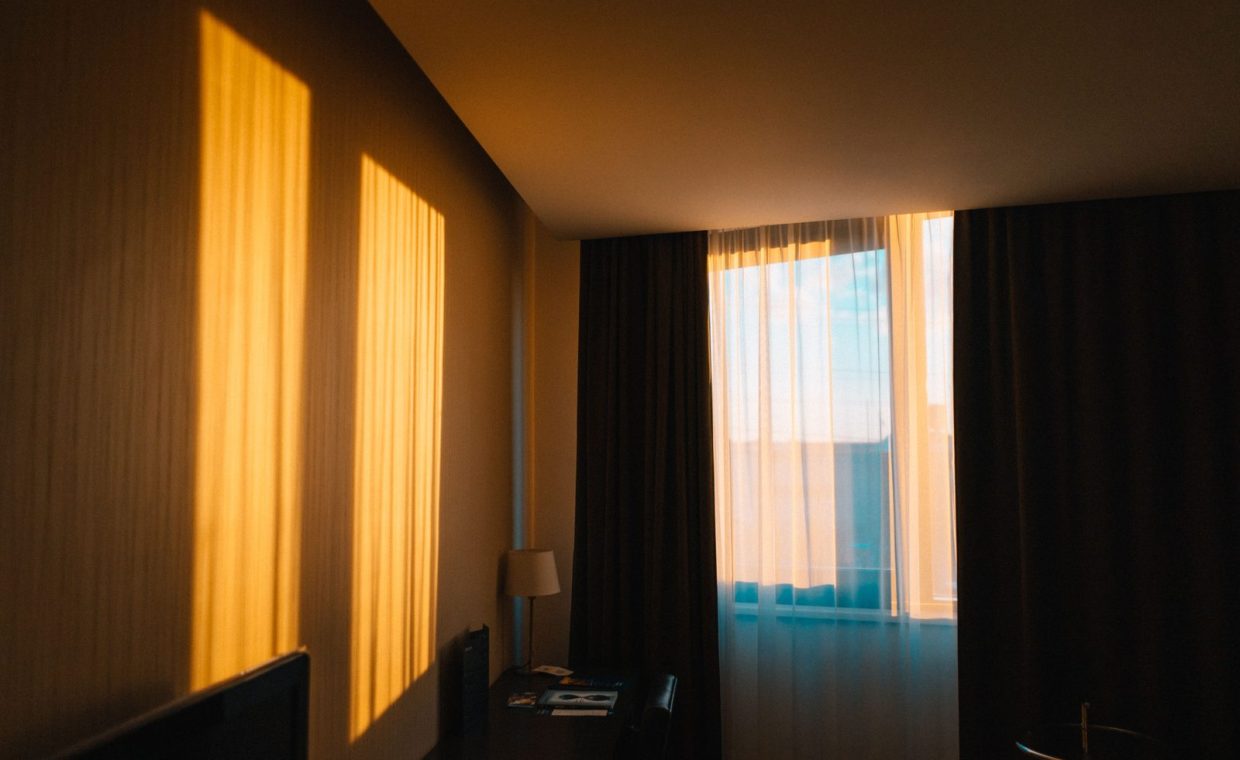
Picture two people who both sleep seven hours. One wakes at 6 a.m. clear and ready. The other drags through the morning, hits a stride around 4 p.m., then lies awake at midnight wired and frustrated. Same amount of sleep, completely different days. The difference is rarely willpower. It is timing.
I spend a lot of my work reading sleep studies, and the single idea that reshaped how I think about energy is this: when you sleep matters almost as much as how much. Your body runs on a roughly 24-hour internal clock that quietly decides when you feel alert, when you crash, and when you can actually fall asleep. That clock is your circadian rhythm, and once you understand the basics, a lot of mysterious afternoon slumps and 2 a.m. staring sessions make sense.
What a circadian rhythm actually is
The term comes from Latin: circa (around) and diem (day). It describes the cycles your body repeats roughly every 24 hours, the most obvious being sleep and wakefulness.
The conductor sits in a tiny cluster of cells called the suprachiasmatic nucleus. Think of it as a master clock. It does not work alone, though. Nearly every organ has its own timer, and the master clock keeps them in sync, like a conductor keeping an orchestra together.
Here is the part people miss. Your internal clock is not exactly 24 hours. For most adults it runs slightly long, so left in a cave with no light, you would drift later each day. Something has to reset it every morning, and that something is mostly light.
Light is the main signal, not the only one
When morning light hits your eyes, special receptors send a message straight to the master clock: it is daytime, start the engines. That signal suppresses melatonin, the hormone that makes you drowsy, and nudges your body toward alertness.
In the evening, as light fades, melatonin rises again and your body starts preparing for sleep. This is why a bright phone screen at 11 p.m. is such a problem. To your clock, that light can read like a small, late sunrise, telling your brain to stay awake when it should be winding down.
One simple experiment I recommend: get 10-15 minutes of outdoor light within an hour of waking, ideally without sunglasses. Even on a cloudy day, outdoor light is far brighter than indoor lighting, and it gives the master clock a clear anchor for the day.
Light is the strongest cue, but not the only one. Meal timing, physical activity, and social schedules also send signals, which is why erratic late meals or wildly shifting routines can muddy the message about what time it actually is.
How your clock shapes energy across the day
Your alertness is not a flat line that slowly drains. It rises and dips on a predictable curve, and most people share a similar shape.
On a typical daytime schedule, alertness climbs through the late morning, then most people hit a real dip in the early afternoon, often between 1 and 3 p.m. That post-lunch slump is partly your circadian rhythm, not just the sandwich. Energy recovers in the early evening before sliding toward bedtime.
Knowing this curve is genuinely useful. I schedule demanding work for my personal high-alertness window and save low-stakes tasks for the afternoon dip. Fighting your biology with another coffee is an option, but working with the curve is usually less exhausting. A short, well-timed rest can also help, which is why it pays to learn how to nap without wrecking your night's sleep.
Why being a "night owl" is often real biology
People love to moralize about sleep timing. Early risers get called disciplined, late risers lazy. The science is less judgmental.
Your chronotype is your natural tendency toward earlier or later sleep, shaped heavily by genetics and age. Teenagers genuinely shift later, which is part of why early school start times are so brutal for them. Many people drift earlier again as they get older.
That does not mean your schedule is fixed forever. You can shift your rhythm gradually with light exposure and consistent wake times. But it explains why telling a true night owl to "just go to bed at 9" rarely works. Their clock is set differently, and you cannot bully it into compliance overnight.
If you want to shift earlier, move in small steps. Pull your wake time 15-20 minutes earlier every few days, get bright light immediately on waking, and keep evenings dim. Sudden two-hour jumps tend to fail because the clock does not move that fast.
Common myths about your internal clock
Because circadian rhythm has become a buzzword, plenty of half-truths have piled up. A few worth clearing away.
Myth: you can fully "catch up" on sleep at the weekend
Sleeping until noon on Saturday helps a little with the raw sleep deficit, but it also shoves your clock later. Come Sunday night you cannot fall asleep, and Monday feels like jet lag you gave yourself. A more consistent wake time, even on days off, keeps the clock steadier.
Myth: melatonin is a sleeping pill
Melatonin is a timing signal, not a sedative. Taken in small amounts at the right time, it can help nudge your clock, especially for jet lag or shift work. Taken as a giant nightly dose to knock yourself out, it is often disappointing. It tells your body what time it is; it does not force sleep.
Myth: coffee timing does not really matter
It matters more than most people think. Caffeine blocks the chemical that builds up to make you sleepy, and it lingers for hours. An afternoon cup can quietly erode your night without you connecting the dots, which is why it helps to understand when to stop drinking coffee for better sleep.
Simple habits that keep your rhythm steady
You do not need a lab or a wearable to support your clock. A few low-effort habits do most of the work.
- Anchor your mornings with light. Outdoor light early in the day is the single most powerful lever you have.
- Keep wake times consistent. A steady wake time stabilizes everything downstream, including when you naturally get sleepy.
- Dim the evening. Lower the lights an hour before bed and ease off bright screens so melatonin can rise on schedule.
- Move your body during the day. Daytime activity strengthens the day-night contrast your clock relies on. Even a brisk daily stroll counts, which is one reason I keep championing walking as an underrated workout.
- Watch late caffeine and heavy meals. Both send confusing "stay awake" signals at the wrong end of the day.
If you keep good habits and still feel exhausted or unable to sleep for weeks, that is worth a conversation with a healthcare professional. Ongoing fatigue can have many causes beyond timing, and this article is general information, not a substitute for personal medical advice.
Putting it together
The big shift is to stop treating energy as a moral test you keep failing and start treating it as a rhythm you can work with. Your part is to give the clock clear, consistent signals: light in the morning, movement during the day, dimness at night, and a wake time that does not lurch around. You will not get it perfect, and you do not need to. Even a few of these habits, held loosely but regularly, smooth out the worst of the crashes.
How long does it take to fix a disrupted circadian rhythm?
For everyday drift, many people notice a difference within one to two weeks of consistent wake times and morning light. Bigger shifts, like recovering from long-term late nights, can take longer. Steady habits matter more than any single dramatic change.
Does working night shifts permanently damage your clock?
Night work is genuinely hard on the body because it fights your natural light cues, but it is not necessarily permanent harm. Strategic light exposure and consistent routines can reduce the strain. If shift work is affecting your health, raise it with a doctor.
Are blue-light glasses necessary in the evening?
They are optional. Simply dimming your lights and lowering screen brightness in the last hour before bed usually does most of the job. Blue-light glasses may help some people, but they are a small add-on, not a requirement.
If there is one thing to carry away, it is that your energy runs on a schedule that responds to light, movement, and timing. Start with the morning light habit this week and notice what shifts. Small, repeatable signals are what your clock understands best.