
A few winters ago I watched a single stomach bug move through a family of five in under a week. It started with the youngest, home from daycare, and by the weekend two parents and a grandmother were taking turns feeling miserable. None of them were careless. They simply did what most of us do at the sink: a quick splash, a rub, and out the door.
Hand hygiene is one of the few prevention tools that is cheap, available to almost everyone, and genuinely backed by decades of evidence. Colds, flu, and the gut bugs that cause vomiting and diarrhea all spread readily on hands and the surfaces hands touch. The catch is that doing it well matters more than doing it often but badly.
What follows is the short list I give patients and my own household. None of it requires special products. Most of it just asks you to slow down for fifteen extra seconds at the right moments.
1. Scrub for about 20 seconds, not two
The most common mistake I see is speed. A two-second rinse moves water around but does little to lift germs off skin. The friction of scrubbing does the real work, loosening dirt, oils, and microbes so they wash away.
Twenty seconds is roughly the time it takes to hum "Happy Birthday" twice. It feels long the first few times, which tells you how short your usual wash probably is. I started counting in my head years ago and was surprised at how much I had been shortchanging it.
Pick a song chorus or short phrase to repeat in your head. A built-in timer means you stop guessing and your hands get the full benefit every time.
2. Get the spots everyone forgets
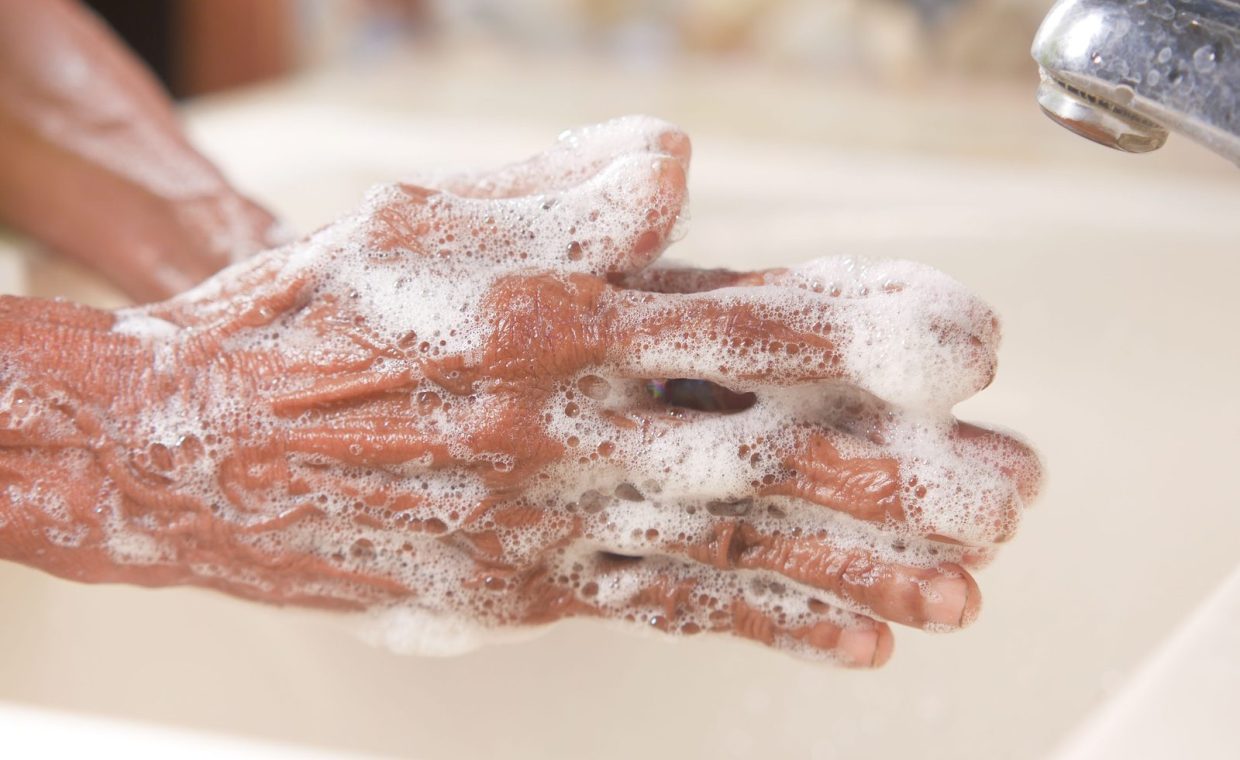
Watch most people wash and you will see palms get plenty of attention while the rest of the hand is neglected. The missed areas are exactly the ones that harbor germs: the backs of the hands, between the fingers, around the thumbs, and under the fingernails.
A simple order helps. Palms together, then the back of each hand, interlace the fingers, scrub each thumb in a fist, then drag your fingertips across the opposite palm to reach under the nails. Long or artificial nails trap more debris and are harder to clean, worth knowing if you keep them.
3. Wash at the moments that actually matter
You do not need to wash every twenty minutes. You need to wash at the points where germs are most likely to move from hands to mouth, or from one person to another. Timing matters more than the tally.
The high-value moments are before eating or preparing food, after the bathroom, after changing a diaper, after blowing your nose, coughing, or sneezing, after handling garbage, and whenever you come home from a public space. Caring for someone sick adds a few more.
This is general guidance, not personal medical advice. If you or a family member has a condition that affects immunity, your clinician may suggest a stricter routine, so it is worth asking.
4. Use soap and water first, sanitizer as backup
Alcohol-based hand sanitizer is excellent and convenient, but it is not a perfect substitute for the sink. When hands are visibly dirty or greasy, soap and running water clean better. Sanitizer also struggles against certain germs, including the norovirus behind those wretched stomach bugs.
When you do reach for sanitizer, the details matter. Look for at least 60 percent alcohol, use enough to coat both hands fully, and rub until completely dry rather than wiping it off early, which is like cutting a wash short.
When sanitizer is the smarter choice
Out and about with no sink in sight, sanitizer is genuinely your best option, far better than skipping hygiene. Keep a small bottle in a bag or car so the choice is never between perfect and nothing.
5. Dry your hands, do not just shake them off
Damp hands transfer germs more easily than dry ones, so drying is part of the process. A clean towel or paper towel both work well. In a shared bathroom, using a paper towel to turn off the tap and open the door avoids re-contaminating freshly washed hands.
At home, the catch is the shared hand towel that stays damp all day and becomes a relay station for germs. Swapping to individual towels, or changing the family towel more often, is a small fix with a real payoff. I think of it the way I think of small, sustainable swaps elsewhere in health, like the gradual approach in cutting back on added sugar without feeling deprived: tiny changes that hold up because they are easy to keep.
6. Mind your face and your phone
Most of us touch our faces far more than we realize, and each touch is a chance for germs to reach the eyes, nose, or mouth, the main entry points for many infections. You cannot stop touching your face, but clean hands make those unconscious touches much lower risk.
Then there is the device in your pocket. Phones go everywhere, including the bathroom, and rarely get cleaned. Wiping yours down regularly closes a loop careful handwashing otherwise leaves open. The same goes for doorknobs, light switches, and the faucet handle.
You do not need antibacterial soaps for everyday home use, and very hot water offers no benefit while mainly irritating skin. Plain soap and comfortably warm or cool water do the job.
7. Protect your skin so the habit sticks
Here is something people rarely connect: frequent washing can leave skin dry and cracked, and cracked skin is harder to clean and more prone to infection. If washing hurts, you will avoid it, and the whole habit unravels.
The fix is simple. Use a gentle, fragrance-free moisturizer, especially in winter or if you wash often for work, and pat hands dry rather than rubbing them raw. Healthy skin is a barrier, and keeping it intact is part of good hygiene, not separate from it.
Children need their own version of this. Teaching kids to wash properly, with a fun timer and a reachable step stool, builds a habit that protects them for life. It pairs with the other unglamorous basics families overlook, like the surprising reach of how dental health connects to your whole body.
Scrub about 20 seconds, reach the missed spots, wash at high-value moments, favor soap over sanitizer when hands are dirty, dry thoroughly, keep face and phone in mind, and protect your skin so the routine lasts.
Where hand hygiene fits in the bigger picture
Clean hands are one layer of staying well, not the whole story. Sleep, movement, and steady nutrition all shape how your body fends off the bugs that get through. Feeling persistently run down despite reasonable habits can have many causes, and sometimes it is worth checking the everyday signs of common nutrient deficiencies rather than blaming every sniffle on poor handwashing. I find it reassuring that our most reliable prevention tool is also the most accessible: a sink, a bar of soap, and a little patience at the right moments.
Is hand sanitizer as good as washing with soap and water?
For most everyday situations sanitizer with at least 60 percent alcohol works well. But soap and water clean better when hands are visibly dirty or greasy, and they handle some germs, like the norovirus behind stomach bugs, that sanitizer does not. Use the sink when you can and keep sanitizer for when you cannot.
Does the water need to be hot to kill germs?
No. The temperature comfortable enough for you to wash properly is fine. Hot enough to actually kill germs would scald your skin. The scrubbing, the soap, and the rinsing do the real work, not the heat.
How do I get kids to wash their hands properly?
Make it easy and a little fun. A step stool so they can reach the sink, a 20-second song to sing, and soap they like all help. Modeling it yourself matters most, since children copy what they see far more than what they are told.
None of this asks for perfection. Wash well at the moments that count, keep your skin comfortable so the habit lasts, and let sanitizer cover the gaps when a sink is out of reach. These small choices, repeated, are some of the best protection you can give yourself and the people you live with. If an illness lingers or worries you, please check in with a qualified healthcare professional rather than waiting it out.