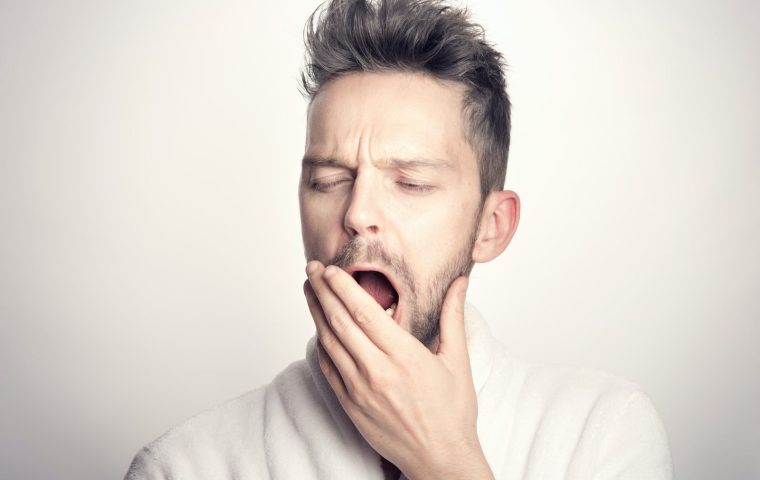


A client showed up to a 6 a.m. session last winter looking wrecked. Slumped shoulders, two coffees deep, the works. I asked how he slept. He pulled out his phone, beamed, and said "92, best score this month." Then in the same breath he admitted he felt like he had been hit by a bus.
That gap, the cheerful number on the wrist versus the heavy body in the room, is the whole problem with sleep trackers. They give you a tidy figure that feels like truth. Your body, meanwhile, is giving you the actual report, and the two do not always agree.
I am not anti-gadget. I have coached plenty of people who genuinely improved their rest by paying attention to a tracker. But I have also watched the same devices send level-headed adults into a spiral over a number that means far less than they think. So let me lay both sides out honestly, the way I would talk a client through it.
What a sleep tracker is actually measuring
Here is the part most people miss. Your watch or ring is not watching your brain waves. A proper sleep lab uses sensors on your scalp to read brain activity, and that is the gold standard for staging sleep. Your wearable is making an educated guess from movement, heart rate, and sometimes skin temperature or blood oxygen.
That guess has gotten better over the years, and for tracking the broad strokes (roughly when you fell asleep, roughly how long you were down) the good devices are reasonably close. Where they get shaky is the fancy stuff: how much deep sleep versus light sleep versus REM you got. Those breakdowns can be off by a wide margin, and two different brands on the same wrist will happily report different numbers for the same night.
A "sleep score" is a brand's own formula, not a medical measurement. There is no universal standard for what counts as an 80 versus a 60, so comparing your score to a friend's is a bit like comparing two different video games' high scores.
What "how you feel" is actually measuring
Your subjective sense of rest is messier to put a number on, but it is reading something real. When you wake up clear-headed, hold focus through the afternoon without a crash, and do not feel the urge to nap on the couch at 3 p.m., that is your whole nervous system reporting back. No algorithm involved.
The catch is that feelings are noisy. A stressful morning, a skipped breakfast, or a hard training week can all make you feel groggy even after a genuinely solid night. This is exactly why recovery days protect your progress instead of stalling it. Fatigue from training load can masquerade as bad sleep when the sleep itself was fine.
Putting the two head to head
Neither method is complete on its own. The tracker is consistent but can be confidently wrong about details. Your feeling is accurate about how rested you are right now but easily thrown off by everything else in your life. Here is how they stack up on the things that actually matter.
| What you want to know | Sleep tracker | How you feel |
|---|---|---|
| Total time asleep | Pretty reliable on good devices | Hard to judge accurately yourself |
| Sleep stages (deep, REM) | Often a rough estimate at best | Cannot perceive these directly |
| How rested you truly are | Only an indirect guess | The most direct read available |
| Spotting week-to-week trends | Excellent, that is its strength | Easy to forget last Tuesday |
| Daytime function and mood | Does not measure it | Tells you immediately |
| Risk of anxiety over data | Can fuel obsessing | Low, unless ignored entirely |
Read that table top to bottom and a pattern shows up. The tracker wins on trends and on numbers you cannot perceive yourself. Your own judgment wins on the question that matters most, which is whether you are actually rested and able to function.
When the tracker is worth trusting
Trackers earn their keep with patterns over time, not single nights. If your average sleep has quietly slid from seven and a half hours to six over a month, that is the kind of slow drift you would never notice by feel alone. The data catches it.
They are also genuinely useful for connecting cause and effect. When a client suspects late coffee or a glass of wine is wrecking their rest, a few weeks of data can confirm or clear it. I have seen the same realization push people to fix their environment, and a few small changes to set up a bedroom that helps you sleep often move the numbers more than any supplement.
Check your tracker as a weekly trend, not a morning verdict. Look at the seven-day average on a Sunday, ask what changed, and ignore the score on any single random Tuesday. That one habit shift defuses most tracker stress.
When you should trust your body instead
If you wake up feeling rested and ready, that is a good night, full stop. It does not matter that the watch handed you a 64. A low score on a morning you feel great is a measurement quirk, not a problem to solve.
The reverse matters even more. If you have started checking your score before you even get out of bed, and a "bad" number sets the tone for your whole day, the device has stopped helping. There is a real phenomenon where anxiety about sleep tracking makes sleep worse, which is about as backwards as a tool can get. When that starts, the fix is simple: take the watch off at night for a couple of weeks and let your body recalibrate to its own signals.
The best sleep feedback you will ever get is how you feel at 3 p.m., not what your wrist tells you at 7 a.m.
Which approach is right for whom
For the data-curious person who can look at a number without it ruling their mood, a tracker is a fine tool. Lean on the weekly trends, run the occasional experiment, and let the rest go. You will learn useful things about your own patterns.
For the anxious type, the perfectionist, or anyone who feels their stomach drop at a low score, skip the tracker or use it sparingly. Your body is already a capable instrument. Pair it with consistent habits and you will out-perform any gadget. And if you have leaned on pills to get to sleep, it is worth understanding how melatonin compares to good sleep habits before deciding what your routine should actually rest on.
A simple rule I give clients
Trust the feeling for the verdict, use the data for the diagnosis. How you feel tells you whether last night worked. The tracker, read over weeks, helps you figure out why a stretch of nights did or did not. Let each tool do the job it is actually good at and stop asking the watch to tell you how you feel.
Persistent trouble sleeping, loud snoring with gasping, or exhaustion that never lifts despite decent hours are worth a conversation with a doctor. This article is general information, not a diagnosis, and a qualified healthcare professional can rule out issues a wearable will never catch.
Are sleep trackers accurate enough to be useful?
For total sleep time and night-to-night trends, the better consumer devices are reasonably accurate and genuinely useful. For exact sleep stages like deep and REM sleep, treat the numbers as rough estimates rather than facts.
Should I worry about a low sleep score if I feel fine?
No. If you wake rested and function well through the day, that is the stronger signal. A low score on a morning you feel good is usually a measurement quirk, not a problem you need to fix.
Can a sleep tracker make my sleep worse?
It can, indirectly. Some people become anxious about hitting a good score, and that worry itself disrupts rest. If checking your score is raising your stress, take the device off at night for a couple of weeks.
So go back to my 6 a.m. client and his proud 92. We stopped opening the app first thing, started judging the day by how he actually felt, and used the data only for the occasional weekly check-in. His sleep did not change overnight, but his relationship with it did. Pick the tool that fits the kind of person you are, and remember the number on your wrist is a clue, not a verdict.